
Ever noticed that one shoe always seems to give up the ghost before the other, often your left? You're not imagining things, and there's a reason for it!
For most people, the left shoe wears out first due to a combination of factors including natural human asymmetry, foot dominance, driving habits, and subtle imbalances in gait and posture.
After over two decades in the shoe business, from designing delicate ballerinas to rugged sports shoes, I've heard this observation countless times. Customers often come into my Lucas stores in Europe, America, or even South Africa, holding up a pair of worn-out shoes, remarking that one side is always more battered than the other. It's a fascinating phenomenon that springs from biomechanics and daily habits, and as someone committed to quality and durability, understanding it helps me design better shoes.
Why Left Shoes Wear Out Faster for Most People?
Are you curious why your left shoe often seems to bear the brunt of your daily adventures? It’s a common observation, and for good reason.
Left shoes often wear out faster for most individuals due to inherent bodily asymmetries, the prevalence of right-handedness leading to left foot pronation for balance, and common activities like driving which put more stress on the left sole for stability.
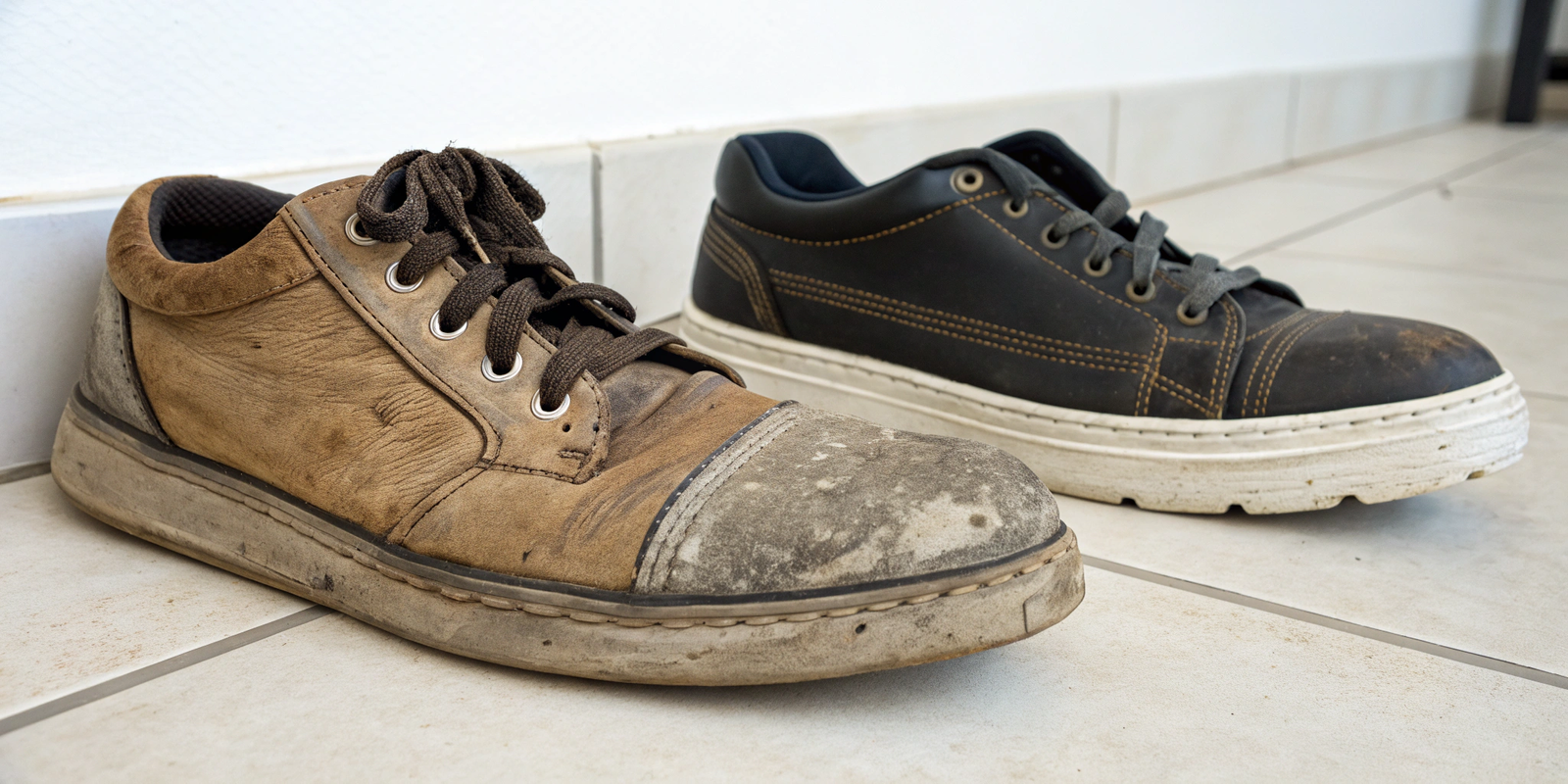
Here are the primary reasons why your left shoe might be waving the white flag sooner:
- Natural Human Asymmetry:
- Explanation: No human body is perfectly symmetrical. We have dominant hands, eyes, and often, a dominant foot. This leads to subtle differences in how we bear weight and push off the ground.
- Impact: This means that even during seemingly symmetrical actions like walking, one side of your body (often the left) might be doing slightly more work or bearing a different load, leading to increased wear on that shoe.
- Driving Habits:
- Explanation: For individuals who drive regularly, especially in automatic cars, the right foot operates the pedals. The left foot is usually resting or bracing against the car floor.
- Impact: This constant bracing or shifting of the left foot can cause specific wear patterns on the outer edge or heel of the left shoe, particularly if the sole rubs against the car mat.
- Right-Handed Dominance and Balance:
- Explanation: Most people are right-handed. Studies suggest that right-handed individuals often rely more on their left leg for balance and support, while the right leg is used more for propulsion or pushing off.
- Impact: This imbalance means the left foot might experience more pronation (rolling inward) or stability demands, which can lead to increased stress and wear on certain parts of the left shoe's sole and upper.
- Gait and Posture Imbalances:
- Explanation: Minor variations in walking gait, such as a slight limp, an uneven stride length, or subtle differences in how your foot strikes the ground (e.g., pronation or supination), can put more pressure on one shoe.
- Impact: Over time, these consistent, uneven pressures will accelerate wear on the more heavily loaded or friction-prone areas of the shoe.
At Lucas, when we design our shoes—whether they are durable boots for outdoor use or stylish work shoes—we account for general wear and tear, but these physiological factors are beyond our direct control. This understanding helps us advise customers about expected shoe longevity and the importance of addressing individual gait issues. Our commitment to quality for markets like America and Korea ensures that even if one shoe wears faster, the initial product provides the best possible foundation.
- Foot Dominance: Your Left Foot Does More Work
Are you curious why your left foot often feels like it's pulling extra duty, leading to one-sided shoe wear? It's not just a feeling; there's a reason for it related to foot dominance.
For many individuals, the left foot serves as the primary stabilizing or "plant" foot, particularly for right-handed people, meaning it bears more weight and performs more balancing work, which naturally leads to increased wear on the left shoe.
Let’s delve into how foot dominance leads to uneven shoe wear:
- The "Plant" Foot: In many activities, especially those involving throwing or kicking with the dominant (right) leg, the non-dominant (left) foot acts as the stable "plant" foot. It roots you to the ground, providing a stable base from which to generate power. This means it often absorbs more impact and rotational forces.
- Balance and Support: When you stand or walk, your body constantly makes micro-adjustments for balance. For many, the left foot handles a greater share of this constant re-balancing act, especially if the right foot is more agile or used for pushing off. This consistent work puts subtle but persistent strain on the left shoe.
- Weight Distribution: Because the left foot is often the base of support, it may carry a slightly greater proportion of your body weight for longer periods, even when standing still. This consistent, heavier load will naturally lead to more compression and abrasion on the left shoe's cushioning and outsole.
- Gait Cycle Mechanics: During the walking or running gait cycle, the "stance phase" is when the foot is on the ground. If your left foot spends a fractionally longer time in the stance phase or experiences a slightly different type of ground contact due to dominance, this can accelerate wear. For example, if the left foot pronates (rolls inward) more to achieve stability, you'll see more wear on the inner aspect of the left shoe's sole.
At Lucas, when we design our range of footwear, from casual sneakers to formal heels, we build in durability to accommodate general use. However, these physiological nuances like foot dominance highlight why even the most robust materials from our GRS-certified facilities can't prevent all asymmetrical wear. Understanding this helps us explain to our customers that while their shoes are of high quality, their unique biomechanics play a crucial role in how they wear over time.
- How to Fix or Reduce One-Sided Shoe Wear?
Are you tired of prematurely replacing shoes because one side always wears out faster? There are practical steps you can take to even out the wear and extend the life of your footwear!
To reduce one-sided shoe wear, address underlying gait issues with orthotics or professional assessment, rotate your shoes frequently, adjust driving habits, and choose well-fitting, supportive footwear designed for balanced use.
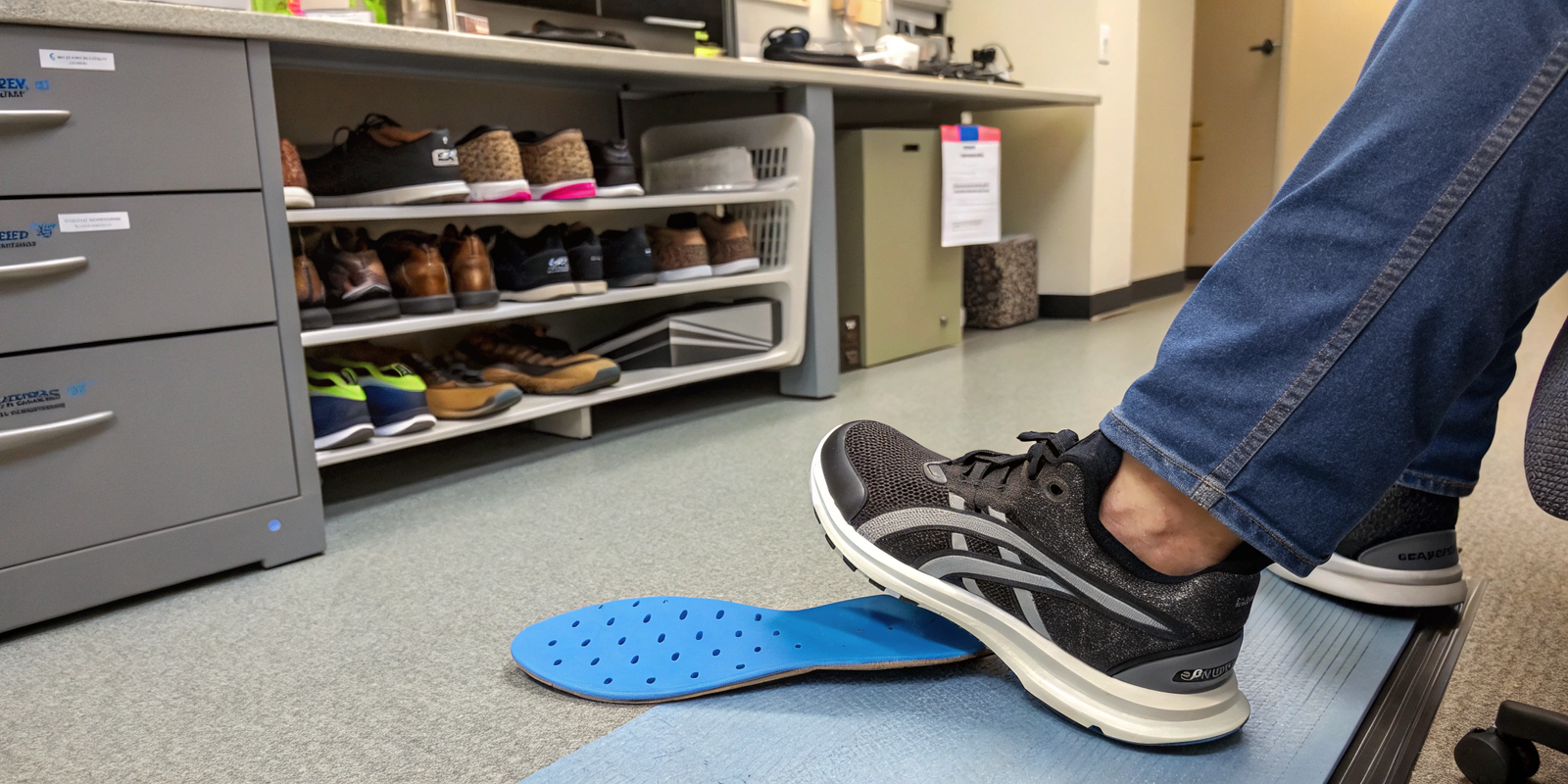
In my long career at Lucas, spanning diverse footwear from high heels to rugged boots, helping customers get the most out of their shoes is a top priority. When someone points out their left shoe is always wearing out faster, it's not just a chance for me to sell them a new pair, but an opportunity to offer advice that truly helps. We build our shoes to last, adhering to high standards in our BSCI and SEDEX-certified factories, but how you use and care for them makes a huge difference.
Here’s how you can proactively address and reduce one-sided shoe wear:
- Assess Your Gait and Foot Mechanics (Podiatrist/Physiotherapist):
- How: This is often the most effective long-term solution. A professional can analyze your walking pattern, identify any imbalances (like over-pronation or supination), and recommend custom or over-the-counter orthotics (shoe inserts).
- Why it helps: Orthotics can correct biomechanical issues, providing proper support and cushioning where your foot needs it most, thereby evening out pressure distribution in your shoes.
- Rotate Your Shoes Regularly:
- How: Never wear the same pair of shoes two days in a row. Have at least two or three pairs you rotate through your week.
- Why it helps: This allows each pair to fully dry out and recover its shape, reducing cumulative stress on specific areas and extending the overall life of each pair.
- Mind Your Driving Habits:
- How: If your left shoe wears out from bracing against the car floor, try to adjust your foot placement. If possible, consider wearing a different, older pair of shoes specifically for driving, or remove your shoes for long drives.
- Why it helps: This minimizes the constant friction and pressure on the outer edge of your left sole, preventing premature wear.
- Choose Well-Fitting, Supportive Footwear:
- How: Always ensure your shoes fit properly. Too tight or too loose can alter your gait. Look for shoes with good arch support and cushioning appropriate for your foot type and activity.
- Why it helps: Shoes that fit well and offer adequate support help maintain a more balanced gait, distributing pressure evenly across both feet. This is why at Lucas, we emphasize diverse sizing and fitting for our global customers.
- Address Postural Imbalances:
- How: If you have chronic back pain, hip issues, or leg length discrepancies, consult a medical professional. These issues can drastically affect your gait.
- Why it helps: Correcting these root causes can naturally lead to a more symmetrical walking pattern and more even shoe wear.
- Regular Maintenance and Early Repair:
- How: Don't wait until the wear is severe. If you notice a specific part of the sole wearing down quickly, a good cobbler might be able to add a protective layer or repair it before it impacts the rest of the shoe.
- Why it helps: Early intervention can prevent minor issues from becoming major, irrecoverable damage, especially on high-quality shoes like those we produce at Lucas.
At Lucas, our GRS certification and status as a BCI member underscore our commitment to not just quality, but also longevity and conscious consumption. By implementing these strategies, you can not only save money on shoe replacements but also enjoy your amazing Lucas footwear for much longer, ensuring that the comfort and style we design into every pair, from ballerinas to sports shoes, truly endures.
Understanding why one shoe wears out faster empowers you to take action and make your footwear last longer, saving you money and discomfort.