
Many women’s shoe samples look impressive at first glance. They feel fashionable, eye-catching, and unique. Yet in bulk orders, these same designs often struggle to scale, sell, or reorder.
Over-designed women’s shoes frequently fail in bulk orders because complex styling increases production risk, fitting inconsistency, and sell-through uncertainty. What looks attractive in a showroom can become difficult to manufacture, fit, and retail across sizes and markets.
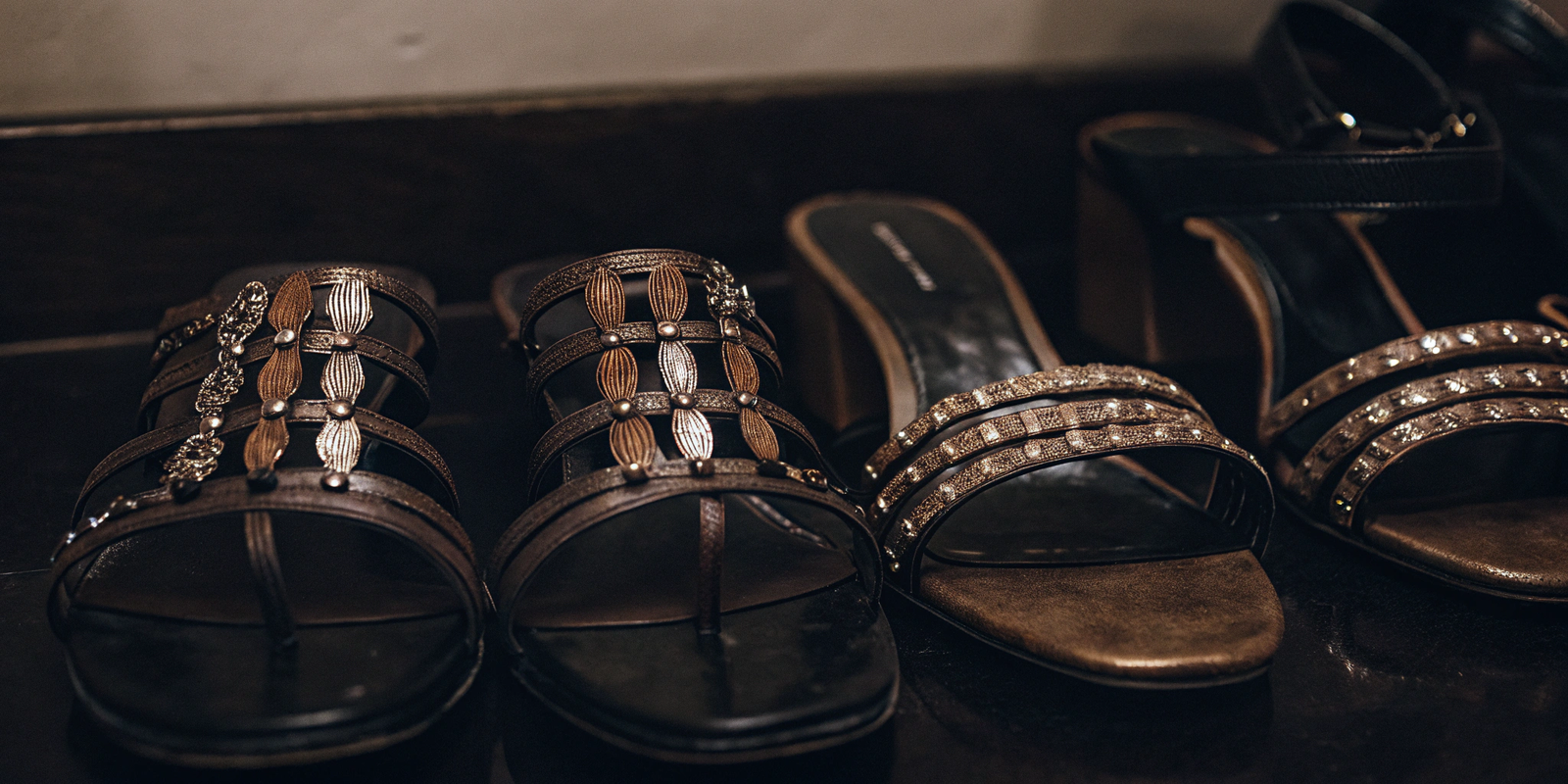
I have seen this pattern many times in my work with international customers. A design that excites at the sampling stage does not always perform when it enters real production and real stores.
What Does “Over-Designed” Mean in Women’s Footwear?
Over-designed shoes are not simply fashionable shoes. They are styles where too many design elements compete at the same time, creating hidden problems later.
Common signs include:
- Too many straps, seams, or decorative parts
- Complex upper constructions with multiple materials
- Unusual proportions that only work on one sample size
- Fashion details that affect comfort or stability
These designs may look strong in photos or on a size 37 sample, but they often lose balance once grading begins.
Why Over-Design Creates Production Risk
From a bulk production perspective, complexity equals risk.
Every extra component adds:
- More manual operations
- Higher chances of inconsistency
- Greater dependency on worker skill
In women’s shoes, small deviations matter. A strap placed 2–3 mm off position may already affect fit or appearance. When production volume increases, maintaining absolute consistency becomes difficult.
This is one of the main reasons buyers hesitate to scale complex styles.
Fit Issues Multiply Across Size Ranges
Fit is the most common reason buyers hesitate to reorder.
Over-designed shoes often:
- Fit well only in one size
- Become too tight or too loose when graded
- Create pressure points due to decoration placement
For example, extra straps or hardware may sit correctly on a sample but shift position in larger or smaller sizes. This leads to customer complaints and returns.
Buyers selling across Europe, the US, and Australia need stable fit across the full size range, not just a good-looking prototype.
Visual Appeal vs. Commercial Wearability
There is a difference between:
- Shoes that look good in a showroom
- Shoes that customers actually wear repeatedly
Over-designed shoes often sacrifice wearability for visual impact. Heavy ornamentation, sharp shapes, or stiff constructions may limit comfort.
When end consumers try the shoes:
- They may feel uncomfortable after short wear
- Styling may be difficult to match with everyday outfits
This directly affects sell-through at retail level.
Why Buyers Avoid Over-Designed Styles for Reorders
Buyers think in terms of risk control, not design excitement.
Over-designed styles often result in:
- Higher development and sampling costs
- Smaller initial orders
- Low chance of repeat orders
Even if the first order sells moderately, buyers may not reorder because the style feels unpredictable or difficult to manage.
Commercial Styles Scale Better
In contrast, commercially successful women’s shoes usually share these traits:
| Aspect | Over-Designed Styles | Commercial Styles |
|---|---|---|
| Construction | Complex, many parts | Clean, controlled |
| Fit Stability | Size-sensitive | Predictable |
| Production Risk | High | Low |
| Reorder Potential | Limited | Strong |
| Market Acceptance | Narrow | Broad |
Commercial styles are not boring. They are controlled designs with clear priorities.
A Supplier’s Perspective
As a women’s footwear supplier, I have learned that buyers trust suppliers who can guide design decisions, not just execute drawings.
Sometimes the best support we can give is to say:
- This detail looks good but may affect fit
- This construction may be hard to scale
- This design may sell once but not repeat
Buyers value honesty and experience, especially when managing large volumes.
Conclusion
Over-designed women’s shoes often fail in bulk orders because complexity increases risk, weakens fit consistency, and limits commercial scalability. In international markets, buyers favor controlled, wearable designs that deliver predictable results and support long-term reorders.