
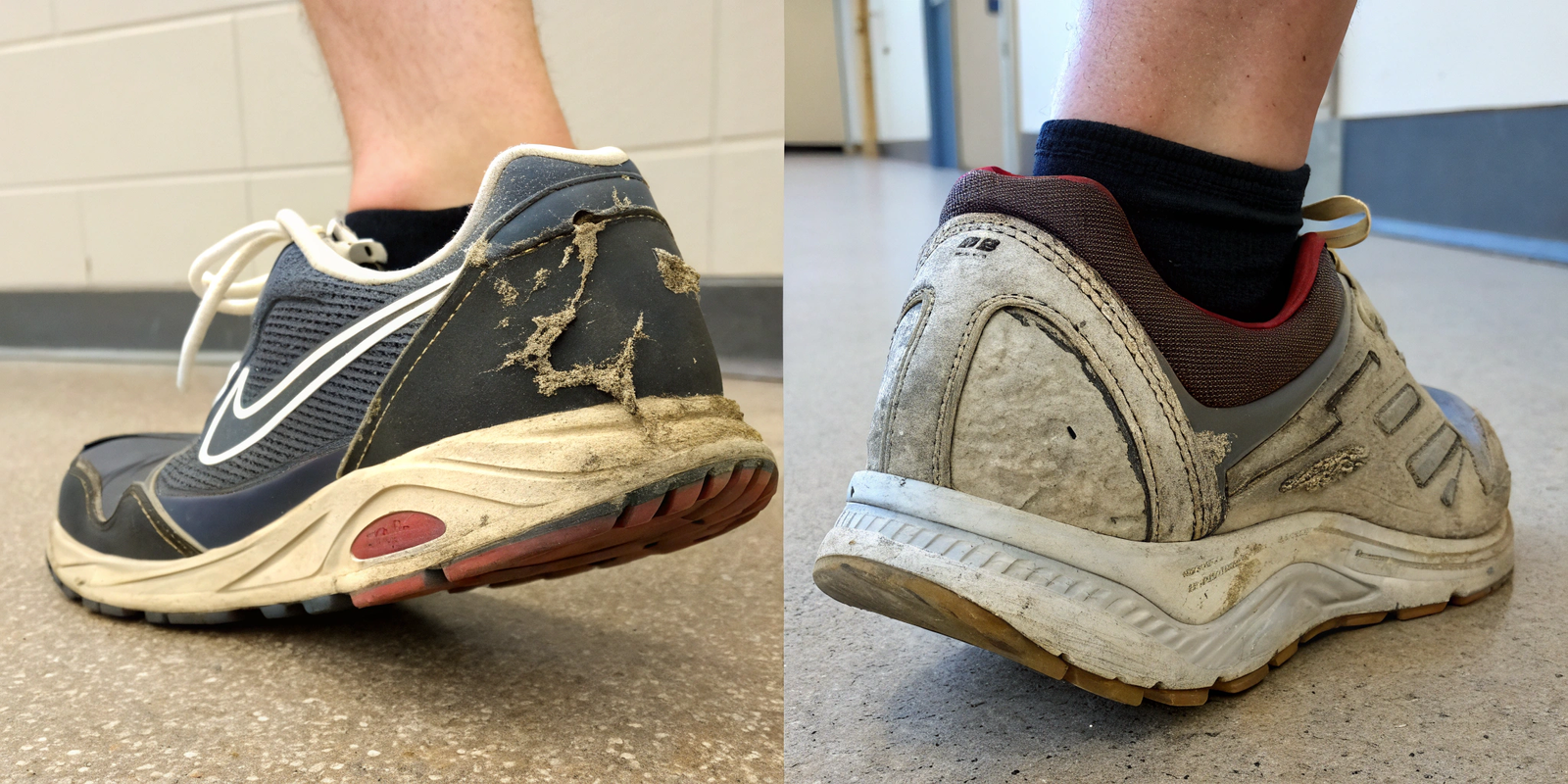
Do you ever notice your favorite shoes starting to look lopsided, with one edge of the sole completely worn down while the other looks almost new? It’s a common and frustrating problem that not only shortens the life of your shoes but can also hint at bigger issues with your gait or foot health.
Shoes wear out on one side primarily due to individual gait patterns, particularly excessive pronation (inward roll) or supination (outward roll) of the foot. These uneven weight distributions cause specific areas of the sole to experience more significant friction and pressure, leading to accelerated, localized wear.
At Lucas, with over two decades of experience in designing, developing, and delivering high-quality, fashionable footwear, we’ve seen countless shoes come and go. Our mission is to inspire confidence and comfort for customers worldwide, and that means understanding the intricate relationship between foot mechanics, shoe design, and durability. From our robust sports shoes to our everyday flats, identifying why shoes wear out unevenly is crucial for making products that not only look good but also perform well and last. For me, helping our global customers understand these nuances underscores our commitment to integrity and quality. Let's explore what this uneven wear really means and what you can do about it.
First, What Does Outer-Edge Wear Actually Mean?
Have you ever inspected the bottom of your shoes and seen a significant worn patch along the outside edge, making you wonder what that even signifies for your feet? This specific wear pattern isn't just random; it's a clear indicator of how you move.
Outer-edge shoe wear, also known as supination or underpronation, means that you place excessive weight and pressure on the outside edges of your feet during walking or running. This causes the shoe's sole to erode more rapidly in that specific area due to increased friction and impact.
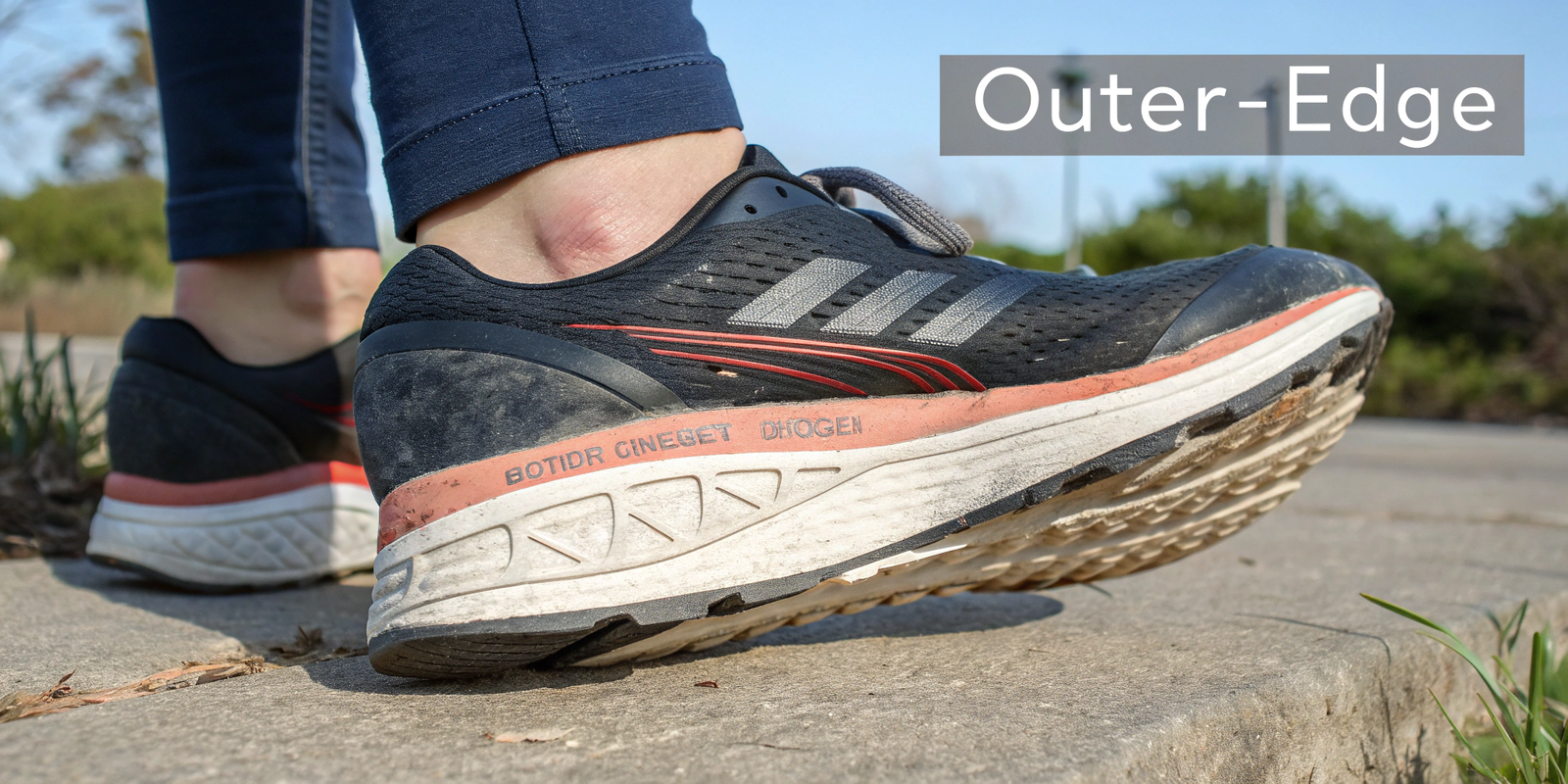
In my extensive experience at Lucas, specializing in everything from casual ballerinas to high-performance sports shoes, analyzing wear patterns is a key part of our product development. When we're evaluating prototypes in our BSCI and SEDEX-certified factories, we consider real-world usage. This includes understanding what specific wear on the outer edge of a shoe's sole implies, not just for the shoe's longevity, but for the wearer's comfort and foot health. This insight directly ties into our mission: designing footwear that truly supports and inspires confidence.
Here's what outer-edge wear actually means:
-
Understanding Supination (Underpronation):
- Dive Deeper: Supination, or underpronation, is a gait pattern where your foot rolls outward excessively when you walk or run. Instead of the foot rolling slightly inward to absorb shock, it stays rigid and primarily distributes weight along the outside edge from heel strike to toe-off. This means that the impact force is concentrated on the lateral (outer) side of your foot. Our bodies are designed for efficient shock absorption, and normal pronation is part of that. However, with supination, this natural cushioning is reduced, leading to increased stress on the outer edge of the foot, ankle, and even up the leg. This increased stress translates directly to accelerated wear on the outer rim of your shoe’s sole and heel, whether you are wearing our elegant heels or our robust sports shoes.
- My Insight: When I see outer-edge wear on a shoe, my first thought is usually supination. It's a common pattern, and understanding it helps us at Lucas design shoes with better cushioning and support in the right places, enhancing the comfort and longevity of our diverse footwear range. It’s all about serving the individual needs of our global customers.
-
Impact on Shoe Durability:
- Dive Deeper: For Lucas, a brand committed to high quality and durability, understanding these wear patterns is crucial. When weight is consistently concentrated on the outside edge of the shoe, that specific area of the outsole material breaks down much faster. The rubber or EVA foam in that section wears away, leading to a visible slant or loss of material. This uneven wear compromises the shoe's structural integrity, affecting its stability and cushioning properties. Over time, it can lead to a feeling of imbalance, reduced support, and even premature replacement of the shoe. This is why in our product development, from ballerinas to sports shoes, we focus on material science and outsole design to maximize even wear for all common gait types.
- My Insight: We are dedicated to ensuring every Lucas product meets the highest standards of quality. If a shoe shows extreme outer-edge wear quickly, it signals either a specific gait issue or that the outsole material isn't matched to the wearer’s needs. This insight helps us refine our designs and material choices, aligning with our commitment to long-term partnerships and customer satisfaction.
-
Potential Foot and Body Issues:
- Dive Deeper: Beyond just affecting your shoes, persistent outer-edge wear can be a warning sign of potential biomechanical issues. Supination can lead to increased stress on the ankles, knees, and hips, as these joints compensate for the foot's reduced shock absorption. Common issues include ankle sprains, plantar fasciitis, IT band syndrome, and even lower back pain. If you consistently see this wear pattern on your shoes, it’s worth paying attention to any discomfort you might be experiencing in your lower limbs. Addressing the supination with appropriate footwear and potentially orthotics can significantly alleviate these stresses and improve overall comfort and alignment. Our people-first values at Lucas extend beyond just selling shoes; it's about contributing positively to the well-being of our customers.
- My Insight: While we design comfortable, supportive shoes at Lucas, I always advise customers who see severe, consistent outer-edge wear to consider consulting a podiatrist. Our role is to provide excellent footwear, but sometimes, the solution requires a professional assessment to ensure long-term foot health and comfort.
How to Fix or Reduce Outer-Edge Shoe Wear?
Are you tired of your shoes constantly wearing down along the outer edge, not only shortening their lifespan but perhaps causing you discomfort? The good news is that there are practical steps you can take to alleviate this common problem and experience greater comfort and longevity from your footwear.
To fix or reduce outer-edge shoe wear, focus on rotating your shoes, selecting footwear designed with cushioning or stability features for supination, using custom or over-the-counter orthotics, and consulting a professional for gait analysis and targeted exercises. These measures help redistribute pressure and support proper foot alignment.
Here's how you can actively fix or reduce outer-edge shoe wear:
-
1. Choose the Right Footwear:
- Dive Deeper: The most direct approach is to select shoes specifically designed to counter supination. Look for shoes with extra cushioning on the outer side of the sole, or those marketed as "neutral" shoes with ample shock absorption. Some athletic shoe brands, as well as high-quality casual shoe manufacturers like Lucas, incorporate specific design features such as softer foam in the lateral heel or a wider base of support to encourage a more balanced foot strike. Avoid shoes with excessive arch support if you supinate, as this can exacerbate the outward roll instead of correcting it. When trying on shoes, pay attention to how your foot feels throughout the strike—a good shoe should cushion the impact on the outer edge and guide your foot toward a more neutral position. This thoughtful design process is integral to our work at Lucas, ensuring that our diverse range, from our comfortable sandals to our robust sport shoes, truly supports the wearer.
- My Insight: We spend considerable time at Lucas on outsole engineering. I always advise customers to feel for balanced cushioning and a stable platform, especially if they know they have issues like supination. Choosing the right foundational shoe from our extensive range, which meets brand standards like INDITEX, is often half the battle won.
-
2. Utilize Orthotics or Inserts:
- Dive Deeper: If changing shoes isn’t enough, over-the-counter or custom orthotics can provide targeted support. For supination, you’d typically look for inserts that offer cushioning and support on the lateral (outer) side of your foot, helping to gently guide your foot into a more neutral position upon impact. Some orthotics are designed to gently push up the outer edge of the foot, encouraging a more even distribution of pressure across the entire sole. Custom orthotics, prescribed by a podiatrist, are tailored precisely to your foot's unique biomechanics and can offer the most effective correction. Even an off-the-shelf cushioning insert can offer some relief by acting as an extra layer of shock absorption. Using orthotics in your Lucas shoes can significantly reduce the uneven wear and enhance overall comfort, promoting long-term foot health.
- My Insight: I've seen firsthand how custom orthotics can completely transform a customer's comfort and greatly extend shoe life. While designed to enhance our footwear, we acknowledge that sometimes, supplemental support is needed. It’s part of our people-first approach to ensure comprehensive solutions for our customers.
-
3. Regular Shoe Rotation:
- Dive Deeper: While not directly fixing the gait, rotating your shoes can significantly extend their lifespan. Wearing the same pair of shoes every day, especially if you have a prominent supination, means the same stress points are constantly being worn down. By alternating between 2-3 pairs of shoes, you allow the cushioning and sole materials in each pair to fully recover and decompress between wears. This recovery time helps them maintain their structural integrity for longer, leading to more even wear over the collective lifespan of your footwear collection. This is a simple yet effective strategy for any type of shoe, from our fashionable ballerinas to our durable boots, and reflects a practical approach to maintaining the quality of your Lucas products.
- My Insight: This is a simple habit everyone can adopt. I personally rotate my Lucas shoes daily, and I've noticed a significant difference in how long each pair lasts. It's a testament to the fact that even high-quality shoes benefit from a "rest day" to maintain their integrity and comfort.
-
4. Professional Gait Analysis and Strengthening Exercises:
- Dive Deeper: For persistent or severe outer-edge wear and associated discomfort, a professional gait analysis from a podiatrist or physical therapist can be invaluable. They can accurately assess your walking and running mechanics, identify the underlying causes of supination (which might include muscle imbalances, inflexibility, or anatomical variations), and recommend targeted exercises. These exercises might focus on strengthening specific muscles, improving flexibility in the ankles and calves, or correcting overall body alignment. Addressing the root cause of supination through these methods can lead to a more balanced gait, improved foot health, and, as a beneficial side effect, more even wear on your shoes. Our commitment at Lucas goes beyond just providing shoes—it's about contributing positively to the communities and markets we serve, including encouraging holistic well-being.
- My Insight: At Lucas, we integrate design, development, manufacturing, and sales. We know our shoes are only one part of the equation. Encouraging customers to seek professional analysis for chronic issues aligns with our people-first values and ensures they receive the most comprehensive support for their foot health and overall confidence.
Conclusion
Outer-edge shoe wear signals supination, concentrating pressure on the foot's exterior. Address this by choosing supportive shoes, using orthotics, rotating footwear, and considering professional gait analysis for lasting comfort and shoe life.