
Ever found yourself tiptoeing across a polished floor, mortified by the embarrassing symphony of squeaks echoing with every step? It's a common, irritating problem!
Shoes squeak on certain floors primarily due to friction between the outsole and a smooth, non-porous surface, often exacerbated by moisture or trapped air, creating vibrations that produce the distinct noise.
In my over two decades in the footwear industry at Lucas, from developing sleek ballerinas to robust sports shoes, I've heard countless stories (and experienced firsthand!) the dreaded shoe squeak. It's one of those minor annoyances that can feel like a major problem, especially when you're trying to make a quiet entrance (or exit!). My team and I work to ensure our shoes, sold across Europe, America, and beyond, meet high standards, but sometimes, the interaction between a shoe and a floor is simply out of our control.
Why Do My Shoes Squeak on Certain Floors?
Are you wondering why your shoes suddenly become vocal when you step onto certain surfaces? It's a common phenomenon that often boils down to a specific interaction between your shoe soles and the floor material.
Your shoes squeak on certain floors due to a specific interplay of friction, surface texture, and sometimes a bit of trapped moisture or air between the shoe's sole and the floor, creating vibrations that produce the characteristic noise.
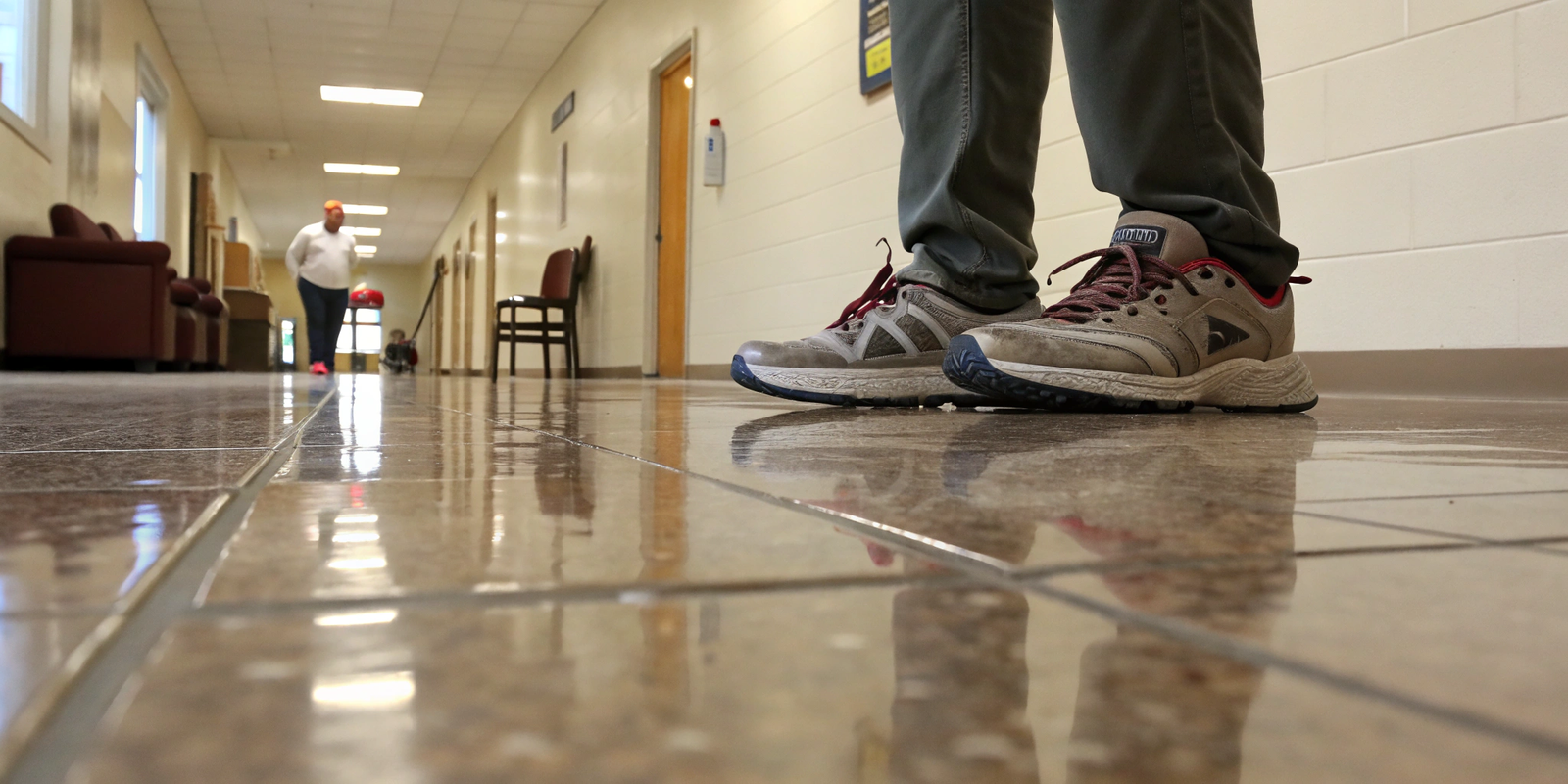
In my journey at Lucas, designing and developing footwear ranging from espadrilles to high heels, I've learned that a shoe's performance isn't just about its aesthetics or durability, but also its interaction with the environment. When customers inquire about squeaking, it often highlights a physics problem: the dynamic relationship between shoe and surface. At Lucas, we ensure our factories are BSCI and SEDEX-certified, using quality materials. However, even the best materials from our GRS-certified facilities can sometimes produce a squeak depending on the flooring.
Here's why your shoes might be squeaking on specific floors:
- Friction Between Sole and Surface: This is the most common reason. When your shoe sole, especially if it's made of rubber or a similar polymer, slides or shifts slightly against a very smooth, hard, non-porous surface like polished tile, linoleum, or certain hardwood floors, it creates vibrations. These vibrations are what we hear as a squeak. It’s similar to rubbing a wet finger around the rim of a wine glass.
- Moisture: Even a tiny bit of moisture on either the shoe sole or the floor can significantly increase the likelihood of squeaking. Water acts as a temporary adhesive, increasing the "stick-slip" friction effect. Imagine walking in damp shoes on a freshly mopped floor – the squeak can be amplified. This is especially true for our sports shoes, where the outsoles are designed for maximum grip, which can translate to more squeaking on wet, smooth surfaces.
- Trapped Air: Sometimes, air gets trapped between pockets or grooves in the shoe's outsole and a perfectly flat floor. As you step, this air is rapidly compressed and then released, causing a quick, sharp squeak. This is more common with outsoles that have large, flat surfaces or suction-cup-like designs.
- Debris on the Sole: Small, invisible particles like tiny pebbles, sand grains, or dry dirt stuck in the sole's tread can act like little abrasive agents. When they rub against a smooth floor, they can create a scraping or squeaking sound.
- New Shoes: Brand new rubber or synthetic soles often have a very smooth finish and haven't had a chance to "break-in" or roughen up slightly from normal wear. This perfectly smooth surface can create a higher initial coefficient of friction, leading to more squeaking.
- Sole Material Properties: Different sole materials have varying degrees of tackiness and elasticity. A softer, more pliable rubber sole designed for maximum grip might squeak more on smooth floors than a harder, less flexible sole. Some of our sneakers, for example, have very grippy outsoles, which is great for traction but can sometimes lead to squeaking.
At Lucas, when we design our shoes, we consider the intended use. For instance, our casual slippers might have different sole compositions than our more robust boots. However, the exact interaction with every possible floor type is a variable that is extremely hard to control in design. Our quality commitment, as a BCI member integrating design, development, and manufacturing, ensures the integrity of the sole, but the squeak often comes from the dynamic interaction rather than a defect.
- The Role of Shoe Soles
Are you curious about what makes your shoes talk back with a squeak on certain floors? It's often not rocket science, but rather the very foundation of your shoe: the sole.
The role of shoe soles in squeaking is paramount, as their material composition, tread pattern, and condition directly influence the level of friction, adhesion, and air displacement with various floor surfaces, leading to vibrational noises.
From my vantage point at Lucas, overseeing everything from the initial design sketches to the final product shipment, the sole of a shoe is a masterpiece of engineering. It's the part that connects you to the ground, providing grip, cushioning, and stability. In our BSCI and SEDEX-certified factories, we meticulously select materials and design patterns for our diverse range of footwear—be it for ballerinas, heels, boots, or sneakers—always keeping performance in mind. However, the very properties that make a sole perform well can also be the source of that infamous squeak.
Here’s how the shoe sole plays a starring role in the squeaking drama:
- Sole Material:
- Rubber: This is the most common material for outsoles, especially in our sneakers and sports shoes, known for its excellent grip and durability. However, the stickier and softer the rubber, the more prone it is to "stick-slip" friction on smooth, polished floors. This creates rapid adhesion and release, leading to squeaking.
- EVA/PU (Ethylene-vinyl acetate/Polyurethane): Often used in midsoles but sometimes for outsoles, these materials are lighter and offer good cushioning. They tend to be less grippy than rubber and might squeak less, but some compounds can still create noise on smooth surfaces, especially if damp.
- Leather: Found on many of our dress shoes and some boots, a smooth leather sole can slide, but if it gets damp or very worn, it can also create its own unique squeaks or creaks.
- Tread Pattern and Design:
- Smooth Surfaces: A sole with large, flat, smooth areas in contact with the floor can create a "suction cup" effect with trapped air or moisture, leading to loud squeaks as the air or moisture is rapidly displaced.
- Deep Lugs/Grooves: While good for traction on uneven or wet terrain (think our boots!), very deep or aggressive tread patterns can sometimes trap dirt or air more effectively, contributing to squeaks on very flat surfaces.
- Wear Patterns: As soles wear down, the original tread pattern changes. Uneven wear can create new flat spots or exposed areas that increase friction or trap air differently, potentially leading to new squeaking zones.
- Sole Flexibility and Construction:
- Stiff Soles: A very stiff sole might not conform as well to minute floor irregularities, potentially leading to more localized high-pressure points and subsequent squeaking.
- Separating Layers: Internally, if layers within the sole (e.g., outsole separating from midsole, or a Shank coming loose) begin to rub against each other, this can also create an internal squeak, which is different from a floor squeak but sounds similar. This is an area we vigorously test at Lucas to ensure the integrity of our construction.
My experience at Lucas has taught me that predicting squeaks is complex. We design for optimal performance and durability across our global markets. However, the specific material of a floor, its cleanliness, and ambient humidity all play a role in how our carefully selected soles eventually interact, influencing whether you walk silently or with a distinct "hello" from your footwear.
- Why Some Shoes Are Naturally Silent
Are you curious why some shoes let you glide silently, while others announce your presence with every step? It's not magic, but rather intentional design and material choices.
Some shoes are naturally silent because they utilize softer, less rigid sole materials that reduce stick-slip friction, feature non-aggresive tread patterns, or have interior constructions designed to prevent internal rubbing, ensuring quiet movement on various surfaces.
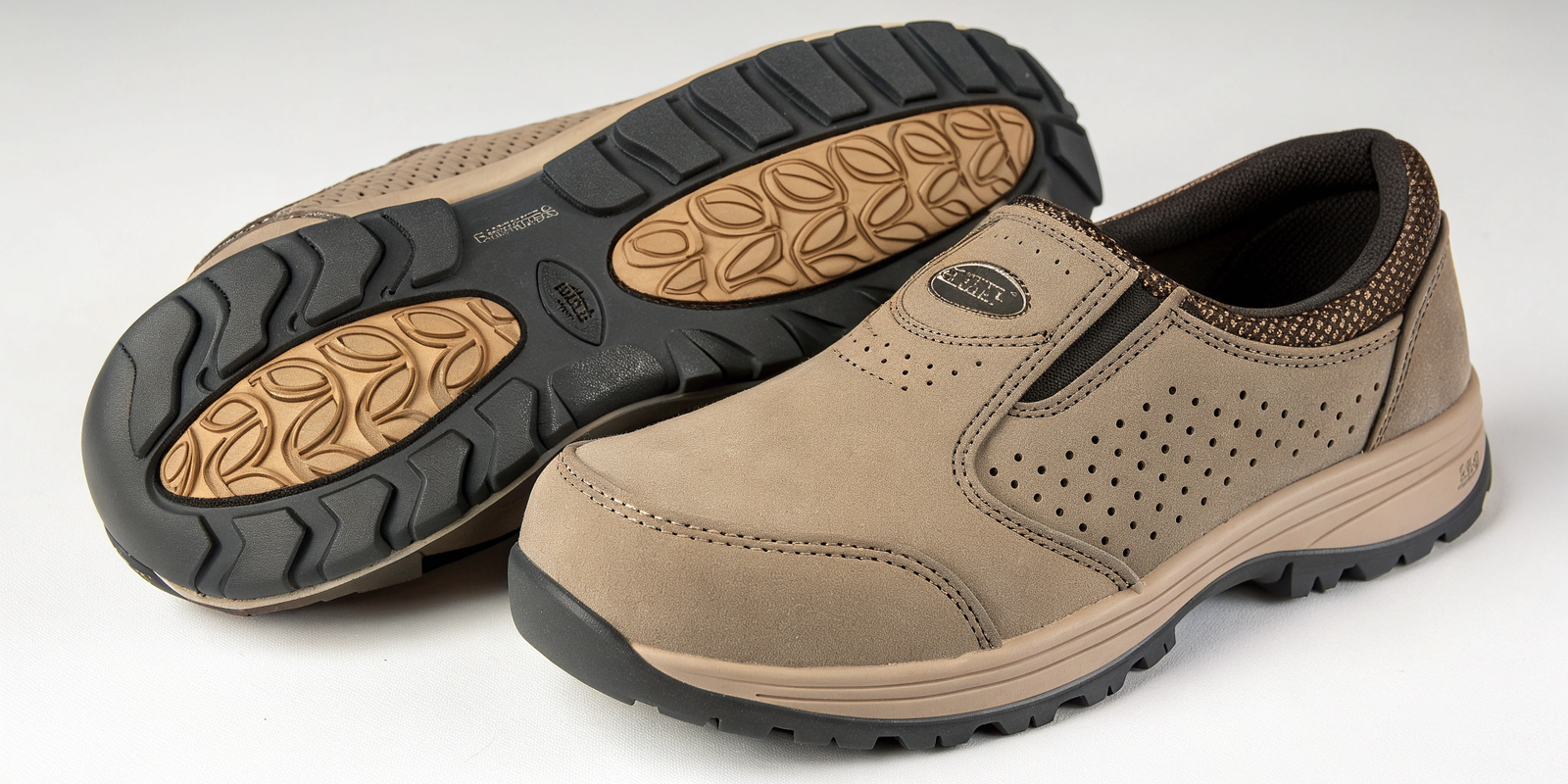
In my two decades within the footwear industry at Lucas, crafting everything from sporty sneakers to elegant ballerinas for diverse global markets like Europe, America, and Korea, I've observed that silence in footwear is often a highly valued, yet rarely spoken about, quality. We aim to deliver shoes that inspire confidence and comfort, and for many, that includes moving discreetly. Our quality standards, upheld in our GRS-certified factories and as a BCI member, sometimes involve specific choices aimed at minimizing noise.
Here's why some shoes seem to move with effortless stealth:
- Sole Material & Hardness:
- Softer Rubbers: Shoes designed for silence often feature softer, sometimes slightly porous, natural rubber or specialized synthetic compounds for their outsoles. These materials tend to "grip" rather than "stick-and-slip" on smooth surfaces, minimizing the vibrant friction that causes squeaks. Think of the soles on some casual sneakers or ballet flats.
- Crepe Soles: Materials like crepe rubber are inherently softer and more flexible, which reduces the harsh friction that leads to squeaking.
- Less Aggressive Tread: Soles with very fine, shallow, or irregular tread patterns are less likely to create large flat contact points that trap air or moisture. This reduces the "suction cup" effect that leads to sharp squeaks.
- Construction Techniques:
- Seamless Interiors: Shoes constructed with smooth, seamless interiors, particularly in the heel and toe areas, prevent internal rubbing or "creaking" between shoe components. This is a detail we often focus on in our premium Lucas designs.
- Bonding and Adhesion: High-quality manufacturing, such as that practiced in our BSCI and SEDEX-certified factories, ensures that all layers of the sole and upper are securely bonded. Any separation between layers can lead to internal squeaking, which is avoided in well-made, silent shoes.
- Built-in Cushioning and Flexibility:
- Absorbs Impact: Shoes with excellent cushioning and flexibility throughout the sole help absorb impact and subtle shifts in pressure as you walk. This dampens vibrations before they can turn into audible squeaks.
- Contouring: Soles that better conform to the natural movement of the foot and the slight irregularities of the floor can create a more consistent, less abrupt contact, reducing sudden friction changes.
- Intended Use:
- Specific Designs: Some shoes are explicitly designed for quiet movement, such as certain types of indoor athletic shoes, dance shoes, or even some tactical boots. Their materials and designs prioritize silence. For example, our slippers are designed for indoor comfort and usually have very quiet soles.
At Lucas, while our wide range of footwear meets diverse needs, the pursuit of "silence" is a design goal for many of our comfort and lifestyle lines. It's about combining the right materials with precise manufacturing techniques to create shoes that feel as good as they look, letting you move confidently and quietly wherever your journey takes you.
- How to Fix Noisy Shoes
Are you tired of your shoes broadcasting your every move with an annoying squeak? Don't worry, there are several simple remedies you can try to silence those noisy shoes.
To fix noisy shoes, identify the source of the squeak (internal vs. external sole), then address it by drying out moisture, applying talcum powder to insoles or internal seams, using sandpaper on external soles, or seeking professional cobbler help for structural issues.
As someone who champions high-quality, comfortable footwear through Lucas, I know how frustrating a persistent shoe squeak can be. It often makes people think their shoes are of poor quality, which isn't always the case. My commitment to our customers across Europe, America, and beyond means empowering them with solutions. While we strive for perfection in our BSCI and SEDEX-certified factories, sometimes shoes need a little TLC to quieten down.
Here’s a practical guide to silencing your shoes:
-
Identify the Source of the Squeak:
- External Squeak (Sole on Floor): This is the most common. Walk on different floor types (carpet, tile, wood). If it only squeaks on smooth, hard surfaces, it's external.
- Internal Squeak (Inside the Shoe): If the squeak happens on carpet, or even when you manipulate the shoe with your hands, it's likely internal. This could be the insole, lining, or a loosening component.
- My Insight: I once had a pair of new Lucas sneakers that developed an internal squeak. It took me a while to pinpoint it, but realizing it happened even on carpet narrowed it down quickly.
-
For External (Sole on Floor) Squeaks:
- Roughen the Sole: New, very smooth rubber soles can be overly grippy. Gently scuff the bottom of the soles with fine-grit sandpaper (around 100-150 grit). This roughens the surface slightly, reducing the aggressive friction. Be careful not to damage the tread significantly.
- Use Hair Spray/Rubber Cement: A very thin, even layer of hairspray or a diluted rubber cement applied to the clean outsole can create a less slick surface. Ensure it dries completely. Test on an inconspicuous area first.
- Clean Soles: Sometimes, an invisible film or residue on the sole reacts with the floor. Wipe the soles clean with rubbing alcohol and let them dry thoroughly.
-
For Internal Squeaks (Most Common Internal Culprit: Insoles):
- Talcum Powder/Cornstarch: Remove the insole. Sprinkle a generous amount of talcum powder or cornstarch into the shoe underneath where the insole sits. This absorbs moisture and reduces friction between the insole and the shoe's shell. Put the insole back.
- Paper Towel Method: Another similar trick is to place a thin paper towel or dryer sheet under the insole to absorb moisture and provide a buffer.
- Glue Down the Insole: If the insole is removable and still squeaks after powder, a few dots of strong fabric glue (like shoe goo) applied strategically to the underside (away from the edges) before placing it back can secure it and stop rubbing.
-
For Internal Squeaks (Other Sources):
- Check for Loose Parts: Inspect the shoe's interior for any loose stitching, lining, or shank (the stiff support in the midsole). If you find something loose, a small dot of strong adhesive might fix it.
- Moisture: Sometimes, moisture trapped within the shoe's layers (e.g., between the upper and lining) can cause squeaking. Place shoes in a well-ventilated area or use cedar shoe trees to absorb moisture.
- Condition Leather: If the squeak is from two pieces of leather rubbing together (e.g., on some of our tailored boots), a small amount of leather conditioner or even petroleum jelly applied very sparingly to the internal contact points can help.
-
Seek Professional Help:
- Cobbler: For persistent squeaks or structural issues (like a separating sole, loose shank, or internal elements rubbing that you can't access), a professional cobbler is your best bet. They have specialized tools and glues to diagnose and fix more complex issues.
At Lucas, when we develop our range, including GRS-certified shoes, we include elements for comfort and longevity. These DIY fixes can prolong the life and comfort of your shoes, ensuring your amazing footwear continues to inspire confidence, not unwanted sounds.
By understanding the cause and applying the right fix, you can bid farewell to embarrassing squeaks and enjoy quiet confidence with every step.