
Have you ever found yourself mid-walk, only to trip or pause because your shoelaces have come undone AGAIN, even though you distinctly remember pulling them tight? It's a common, infuriating enigma that makes you question your knot-tying skills and sanity.
Shoelaces untie themselves due to a combination of an unstable knot (often a "granny knot"), smooth lace materials that easily slip, and repetitive motion and impact during walking or activity. These factors work together to loosen the knot's friction hold, causing it to unravel.
In my two decades at Lucas, a brand dedicated to designing and delivering high-quality, fashionable footwear that inspires confidence and comfort, I’ve seen countless innovations in shoe design, but the humble shoelace remains a persistent challenge for many. Our mission is to ensure every product meets the highest standards of quality and compliance, and that extends to every component, even laces. From robust sports shoes to elegant ballerinas, a secure lace knot is essential for both safety and sustained comfort. This isn't just a minor annoyance; for me, it's about helping our customers experience uninterrupted confidence in their steps, whether they're in Europe, America, or beyond. Let's really dig into the science behind this common frustration.
Your Shoelaces Themselves Could Be the Culprit?
Do you feel like you're tying the same knot every time, yet some laces just refuse to stay tied, leading you to suspect the laces themselves are conspiring against you? Sometimes, the problem truly isn't your knot-tying ability.
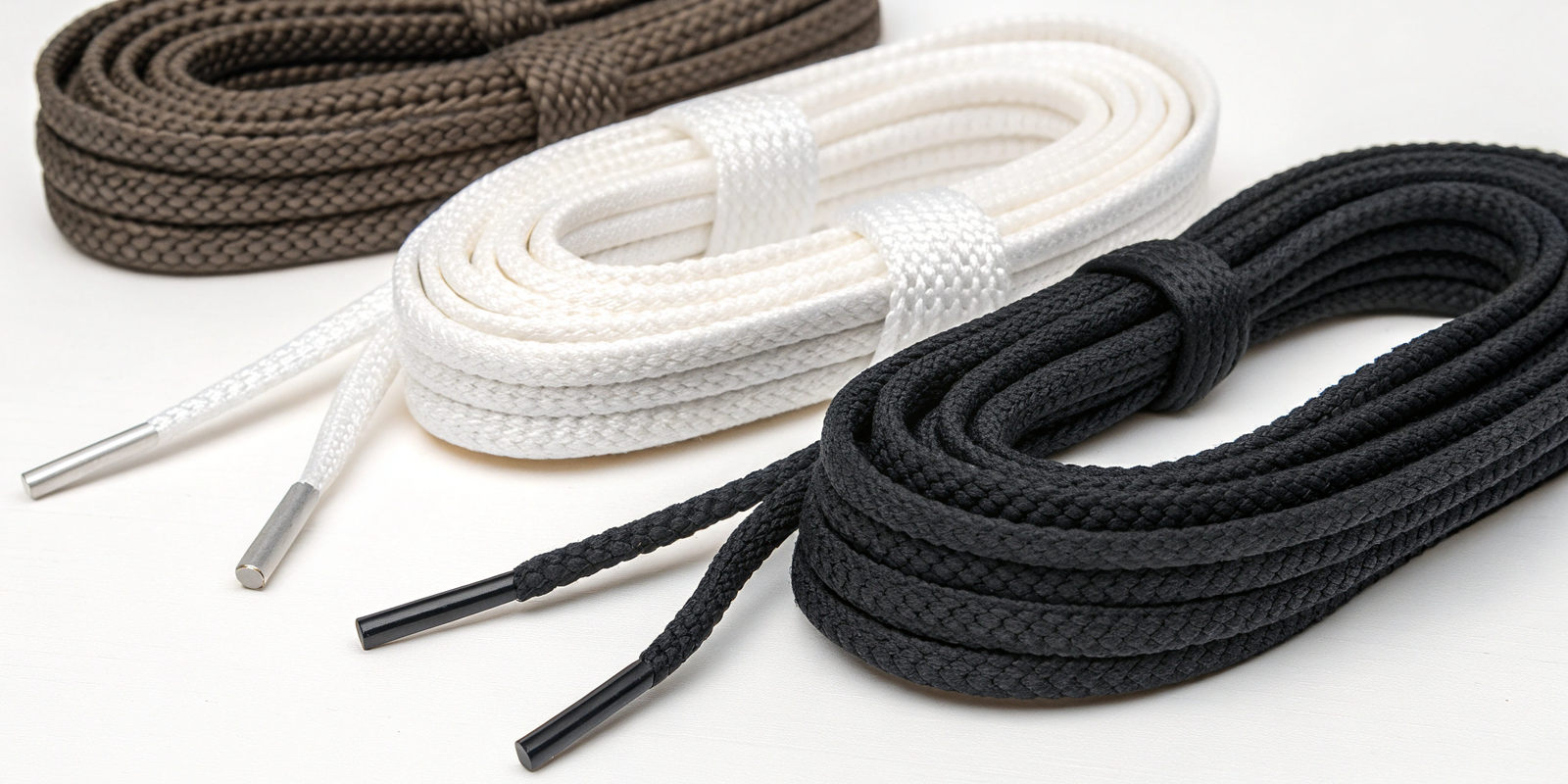
The material, texture, and shape of your shoelaces significantly impact their ability to stay tied. Smooth, round, or synthetic laces often lack the friction needed to maintain a secure knot, making them more prone to unraveling despite being tied tightly.
At Lucas, with our extensive experience in sourcing and developing footwear components, I've learned that every detail matters. Our customers expect both style and functionality from our shoes. A lace might seem like a small part, but if it's constantly untying, it undermines the entire "confidence and comfort" experience we promise. Our design and development teams, working with our BSCI and SEDEX-certified factories, meticulously evaluate everything from outsole durability to lace material. I've personally seen how a switch in lace material can transform a frustrating shoe into a reliable one.
Here's how your shoelaces themselves could be behind the untying mystery:
-
Material and Texture:
- Dive Deeper: The vast majority of shoelaces are made from cotton, polyester, nylon, or a blend of these. Smooth, waxy, or purely synthetic laces (like some polyester or nylon variants) often have very low friction coefficients. This means there's less grip between the lace strands when tied in a knot. Imagine tying a knot with wet fishing line versus rough rope – the smoother material slips much more easily under tension and movement. These laces might look sleek and attractive, often used in more formal or fashionable footwear, but their slick surface inherently struggles to maintain the tight interlock required for a stable knot. The very properties that make them durable or aesthetically pleasing can compromise their knot-holding power. This is a common issue I've observed particularly in our more sophisticated dress shoe lines or fashion sneakers at Lucas.
- My Insight: We constantly balance aesthetics with functionality at Lucas. For some of our dressier shoes, customers prioritize a clean, smooth lace appearance. When we use these types of laces, we often recommend a specific knot-tying technique to our customers, acknowledging the material's limitations while still delivering on style. It's about providing solutions that uphold our "people-oriented values."
-
Lace Structure (Round vs. Flat):
- Dive Deeper: The physical shape of your shoelaces also plays a big role. Round laces, especially those with a smooth, tightly woven exterior, present less surface area for friction points within the knot. They effectively act like tiny cylinders that can roll and slip against each other more easily under tension and dynamic forces. Flat laces, on the other hand, offer a wider, flatter surface. This increased contact area within the knot provides more friction and a better "grip" for the strands to hold onto each other, making them inherently more stable. While round laces can be quite durable, chosen for their robust look and feel in certain models of our Lucas sports shoes, their propensity to untie can be higher if not tied correctly.
- My Insight: I've noticed this difference quite starkly. For our Lucas athletic shoes, where dynamic movement is common, we often favor flat or oval laces with a slight texture. This design choice aligns with our mission to inspire confidence, ensuring that a professional athlete or an everyday walker can trust their footing without constant lace-tying interruptions.
-
Length of Laces:
- Dive Deeper: Surprisingly, lace length can also contribute. Laces that are too long result in excessive slack, making it difficult to pull the knot genuinely tight. This extra length can also get caught, pulling at the knot and loosening it. Conversely, laces that are too short might result in a knot that is too small, lacking the sufficient surface area or interlock to be stable. The ideal lace length allows for a snugly tied knot with loops that are proportionate to the shoe, without excessive "bunny ears" or tautness, creating a balanced knot that is neither too loose nor too strained, offering the optimal tension for any Lucas shoe.
- My Insight: When we size laces for our shoes at Lucas, we consider the number of eyelets and the typical foot size. Getting this balance right is crucial for ensuring customers can achieve a secure and comfortable fit, reinforcing our commitment to delivering high-quality, precise products. Improper lace length, though seemingly minor, can quickly become an infuriating daily inconvenience.
Easy Fixes You Can Try Today?
Are you tired of constantly stopping to retie your shoelaces, wondering if there's a simple solution to this persistent problem? The good news is that often, a few straightforward adjustments to your tying technique or even your laces themselves can make a world of difference.
You can easily fix persistently untying shoelaces by ensuring you tie a strong "square knot" instead of a weak "granny knot," adopting a double knot without excessive bulk, or simply replacing your laces with a more textured, friction-friendly material.
-
1. The "Square Knot" vs. "Granny Knot" Method:
- Dive Deeper: The most common reason laces untie is unknowingly tying a "granny knot" instead of a "square knot" (also known as a reef knot). A granny knot happens when you tie the second half of the bow in the same direction as the first crossover (e.g., right over left, then right over left again). This creates a vertically misaligned knot that's inherently unstable and tends to shift and unravel, especially under stress and movement. A square knot, on the other hand, is formed by tying the second half in the opposite direction (e.g., right over left, then left over right). This creates a horizontally aligned, balanced knot with perpendicular loops that locks securely into place. To check if you're tying a square knot, observe the final bow: if it lies horizontally and neatly across your shoe, it's likely a square knot. If the loops point vertically along the shoe and seem to slip easily, it's probably a granny knot. Making this simple adjustment in your tying technique will dramatically improve the stability of your laces for any Lucas shoe.
- My Insight: This is the first thing I teach anyone frustrated with untying laces. It’s a foundational technique that many people overlook. At Lucas, we integrate these practical insights into our customer service, helping people get the most comfort and confidence from our diverse footwear range. It’s a small detail with a huge impact.
-
2. Double Knot Without the Bulk:
- Dive Deeper: If you have particularly slippery laces or engage in high-impact activities, a double knot provides extra security. However, the key is to do it without creating an uncomfortable or unsightly bulky knot. After tying your initial square knot, instead of making a second full base knot, simply take one of the loops and make another pass through the loop on the opposite side before tightening. This creates an extra interlock on one side of the knot, significantly increasing its resistance to unraveling, but without adding a large, awkward lump. This method adds minimal bulk but greatly boosts the knot's holding power. It’s a subtle yet effective trick for ensuring your laces stay tied without compromising the sleek aesthetic often found in our Lucas fashion shoes or causing pressure points in our functional boots.
- My Insight: I often recommend this technique for our more active customers or those wearing our sturdy boots where ultimate security is vital. It’s a practical solution that strengthens the knot without sacrificing the refined look or feel. Our commitment at Lucas is to ensure every product supports your lifestyle, integrating intelligent solutions for sustained comfort and confidence.
-
3. Replace Your Laces:
- Dive Deeper: If changing your knot-tying technique or using a double knot doesn't solve the problem, the laces themselves are likely the primary culprit. Replacing smooth, round, or waxy synthetic laces with ones that have more texture and a flatter profile can make a dramatic difference. Opt for cotton, braided polyester, or laces with a slightly ribbed texture. These materials offer higher friction, creating a more secure grip within the knot. Consider also the length; ensure the new laces are appropriately sized for your shoe, preventing excess slack or a too-tight knot. This might seem like a simple step, but upgrading your laces can fundamentally change how well your shoes stay tied, transforming a frustrating experience into a reliable one across any of your Lucas footwear, from running shoes to casual wear.
- My Insight: At Lucas, we sometimes offer alternative lace options with certain shoe models, precisely because we understand the impact of material. I've personally seen customers completely solve their untying problems by simply swapping out their original laces for a more textured pair. This highlights our commitment to providing comprehensive solutions for ultimate comfort and our people-oriented values, ensuring every Lucas product truly supports your confidence.
Conclusion
Untying shoelaces are often solved by adopting the correct "square knot" technique, using a clever double knot, or simply replacing slippery laces with more textured options. Small changes can bring big relief to this common frustration.