
Selling women’s shoes across Europe, America, and Australia is not only about following trends. It is about finding styles that travel well between regions, seasons, and consumer habits. From my experience working with international clients, buyers consistently look for styles that reduce regional risk while still feeling modern and relevant.
Some women’s shoe categories perform steadily across multiple regions because they balance comfort, appearance, and commercial logic. These styles are easier to scale, easier to reorder, and easier to explain to retail teams in different markets.
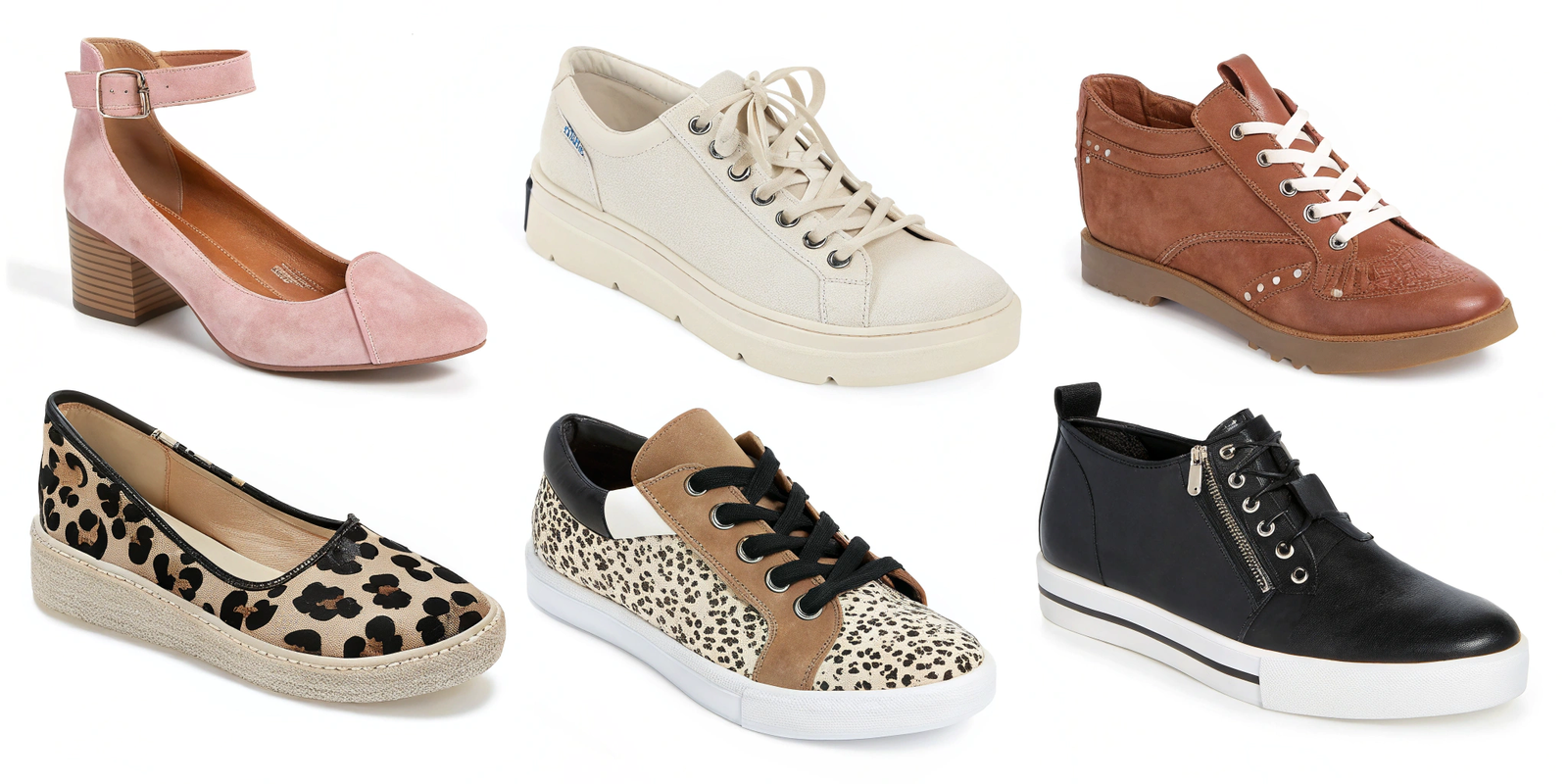
1. Mid-Heel Shoes with Stable Heel Shapes
Mid-heel shoes remain one of the strongest cross-regional performers.
Heights between 3–6 cm are widely accepted in Europe, the US, and Australia. Buyers favor block heels, stacked heels, or gently sculpted heels because they feel secure and wearable. These designs work well for office use, casual outings, and semi-formal occasions.
From a production view, mid-heels are also easier to control in bulk. From a market view, they attract a wider age range, which helps retailers reach more customers with one style.
2. Pointed-Toe Flats and Clean Ballet Flats
Flats are a global category, but shape matters.
Pointed-toe flats perform especially well because they look polished while remaining comfortable. Classic ballet flats also sell steadily when the toe shape and opening are slightly updated. Buyers often request small changes like sharper lines, soft square toes, or subtle top-line adjustments.
These styles cross regions because they fit both fashion-focused European markets and comfort-driven American and Australian markets. They are also easy to repeat in new colors or materials.
3. Minimal Lifestyle Sneakers
Across regions, casual dressing is becoming more common. This keeps simple lifestyle sneakers in demand.
The best-performing sneaker styles are:
- Clean uppers with limited panels
- Neutral colors such as white, beige, black, or light grey
- Lightweight soles without extreme volume
Buyers usually avoid heavy trend sneakers for multi-region programs. Instead, they choose designs that can sit next to dresses, denim, or tailored trousers. This flexibility supports steady sales in different climates and cultures.
4. Simple Sandals with Balanced Proportions
For Spring and Summer, sandals that perform well across regions share one key feature: simplicity.
Best-selling designs usually include:
- Two or three main straps
- Adjustable fastening
- Flat or low-block heel base
These sandals work in Southern Europe, the US, and Australia because they feel practical yet feminine. They also allow buyers to scale quantities without worrying about fit complaints or complex construction issues.
5. Ankle Boots with Classic Silhouettes
When it comes to boots, ankle-height styles outperform taller boots across regions.
Classic ankle boots with:
- Block or stacked heels
- Clean toe shapes (round, almond, or soft square)
- Neutral colors like black, brown, or taupe
tend to sell consistently from Europe to North America and Australia. They adapt easily to different climates and styling preferences, making them safer for multi-market distribution.
Why These Styles Work Across Regions
These categories share the same commercial strengths:
| Commercial Factor | Cross-Regional Advantage |
|---|---|
| Comfort | Appeals to wider consumer groups |
| Familiar Shapes | Easy for retailers to sell |
| Stable Construction | Lower bulk production risk |
| Styling Flexibility | Fits different markets and seasons |
Buyers want styles that do not require heavy explanation. If a shoe looks understandable at first glance, it usually performs better across borders.
Final Thoughts
Women’s shoe styles that perform best across multiple regions are not extreme or seasonal experiments. They are designs that combine comfort, clarity, and adaptability.
For suppliers, focusing on these categories builds trust with international buyers. Once a style proves it can sell across regions, it becomes easier to scale volumes, expand color options, and plan long-term cooperation.