
Many women’s shoe styles look attractive at first glance, yet only a small number truly perform well across international markets. For buyers and brands, the key question is simple: what actually sells, repeatedly and at scale?
A women’s shoe style is considered “commercial” in international markets when it balances wearability, broad consumer appeal, stable production, and predictable sell-through across different regions and retail channels.
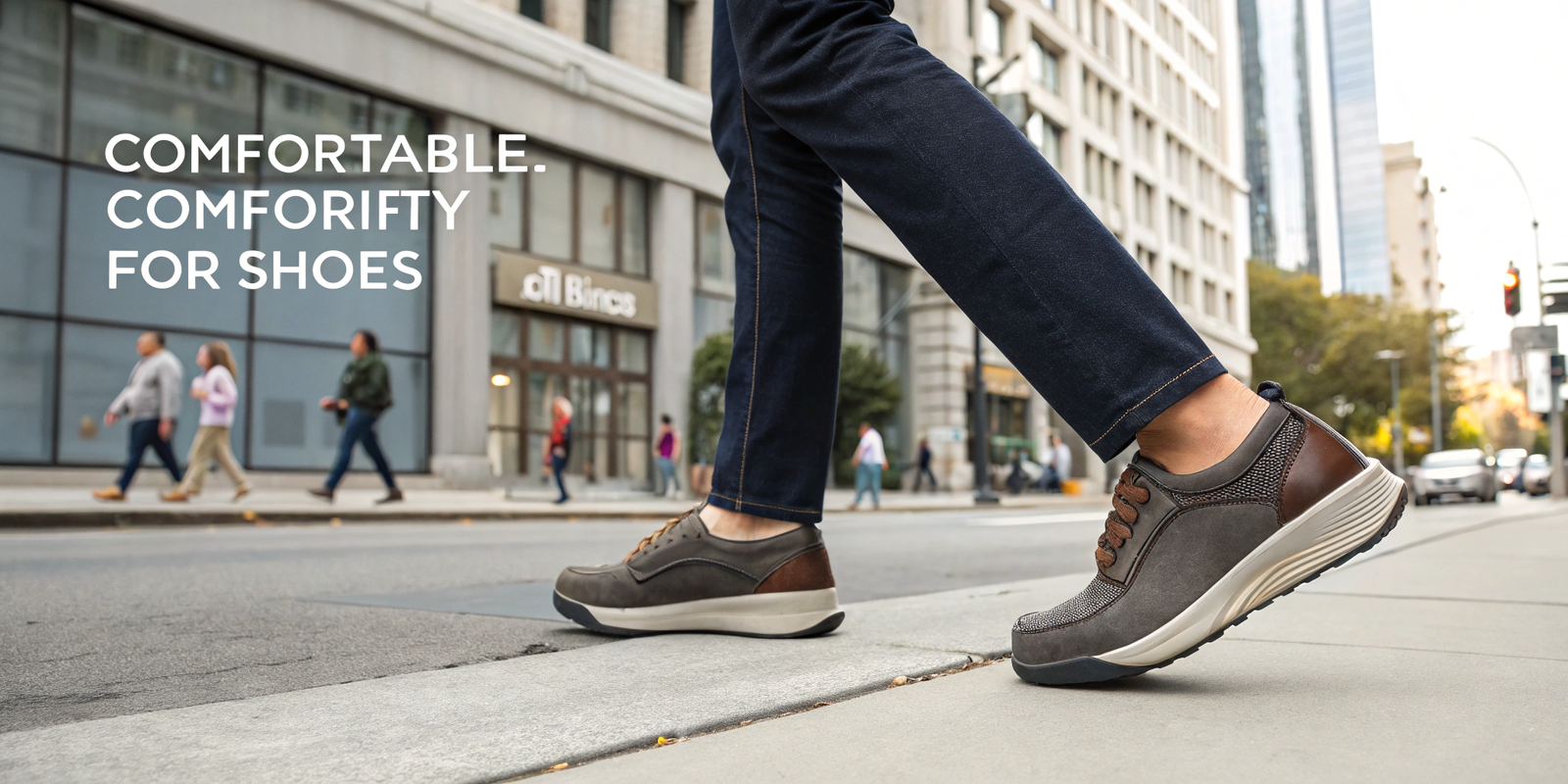 From my experience supplying women’s footwear to Europe, Australia, and the Americas, commercial success rarely comes from extreme design. It comes from controlled design decisions that reduce risk while meeting real consumer needs.
This article breaks down the core factors that make a women’s shoe style commercially viable in global markets.
Why Wearability Comes Before Design Details
Wearability is the first filter buyers apply, even if they do not always say it directly.
If a shoe cannot be worn comfortably for several hours, its sales potential drops sharply, especially in mature markets.
Commercial styles usually share these wearability traits:
- Stable heel height
- Balanced sole thickness
- Foot-friendly toe shapes
- Lightweight construction
| Design Element | Commercial Preference |
|---|---|
| Heel height | Low to mid heel |
| Toe shape | Rounded or soft pointed |
| Sole | Flexible, not overly thin |
| Weight | Light to medium |
In Europe and Australia in particular, comfort expectations are high. Even fashion-driven buyers test wearability before committing to volume.
Why Fit Consistency Is Critical for Global Orders
Fit consistency determines whether a style can scale beyond sampling.
In international markets, a single style must work across multiple size ranges and foot shapes.
Commercial styles tend to have:
- Predictable size grading
- Moderate toe volume
- Adjustable features like straps or elastics
- Proven last shapes
| Fit Factor | Impact on Commerciality |
|---|---|
| Stable grading | High |
| Adjustable structure | High |
| Narrow or extreme fit | Low |
| Complex construction | Risky |
Shoes that fit “most people reasonably well” always outperform shoes that fit “some people perfectly.”
Why Versatility Drives Repeat Sales
International buyers favor styles that work in multiple scenarios.
The more occasions a shoe can cover, the higher its reorder potential.
Highly commercial women’s shoes usually fit into:
- Workwear
- Casual daily use
- Travel
- Light social occasions
| Style Type | Versatility Level |
|---|---|
| Ballet flats | High |
| Low block-heel pumps | High |
| Fashion heels | Low |
| Statement designs | Very low |
Versatility lowers inventory pressure and makes styles safer for multi-country distribution.
Why Production Stability Defines Commercial Value
A design is only commercial if it can be produced consistently.
Complex structures often cause delays, rework, or quality disputes during bulk production.
Commercial styles typically feature:
- Standard components
- Proven heel constructions
- Simple upper patterns
- Easy assembly processes
| Production Aspect | Commercial Impact |
|---|---|
| Standard tooling | Positive |
| Custom sculpted heels | Risky |
| Simple uppers | Stable |
| Multiple materials | Higher risk |
Buyers value styles that factories can reproduce accurately across repeated orders.
Why Price Positioning Matters Across Markets
A commercial shoe must sit comfortably within a clear price band.
If cost and perceived value do not align, the style struggles. Commercial pricing traits include:
- Clear target retail price
- Controlled material choices
- Balanced construction cost
- Scalable margins
| Price Segment | Commercial Risk |
|---|---|
| Entry to mid | Low |
| Upper mid | Medium |
| Premium fashion | High |
In bulk orders, buyers prefer styles that allow flexibility without pushing cost limits.
Why Trend Moderation Outperforms Trend Extremes
Trends help attract attention, but extreme trends shorten product lifespan.
International markets favor trend-adjusted classics.
Commercial designs often combine:
- Familiar silhouettes
- One or two trend elements
- Neutral core colors
- Seasonal updates
| Design Approach | Commercial Outcome |
|---|---|
| Classic with updates | Strong |
| Full trend expression | Unstable |
| Timeless core | Consistent |
This balance keeps styles relevant across seasons and regions.
What Buyers Look for Before Scaling a Style
Before committing to volume, buyers usually confirm:
- Fit approval across sizes
- Stable sample-to-bulk consistency
- Acceptable defect risk
- Market feedback from test drops
| Buyer Checkpoint | Importance |
|---|---|
| Fit test | Very high |
| Wear test | High |
| Production repeatability | Very high |
| Trend lifespan | Medium |
Only styles that pass all checkpoints become long-term commercial programs.
Conclusion
A women’s shoe style becomes “commercial” in international markets when it combines wearability, fit consistency, versatility, stable production, and controlled trend influence. These qualities reduce risk, support bulk scalability, and create reliable sell-through across Europe, Australia, and the Americas.