
Are you tired of your beloved sneakers looking grimy, but terrified of ruining them with harsh cleaning methods? It's a common dilemma for every sneakerhead.
The secret to cleaning sneakers without causing damage lies in using gentle products, soft brushes, and avoiding harsh chemicals or excessive heat. Focus on spot cleaning with mild solutions like diluted soap or specialized sneaker cleaners, always testing on an inconspicuous area first. Proper drying away from direct sunlight or heat is crucial to prevent material breakdown and discoloration, ensuring your sneakers stay fresh and last longer.
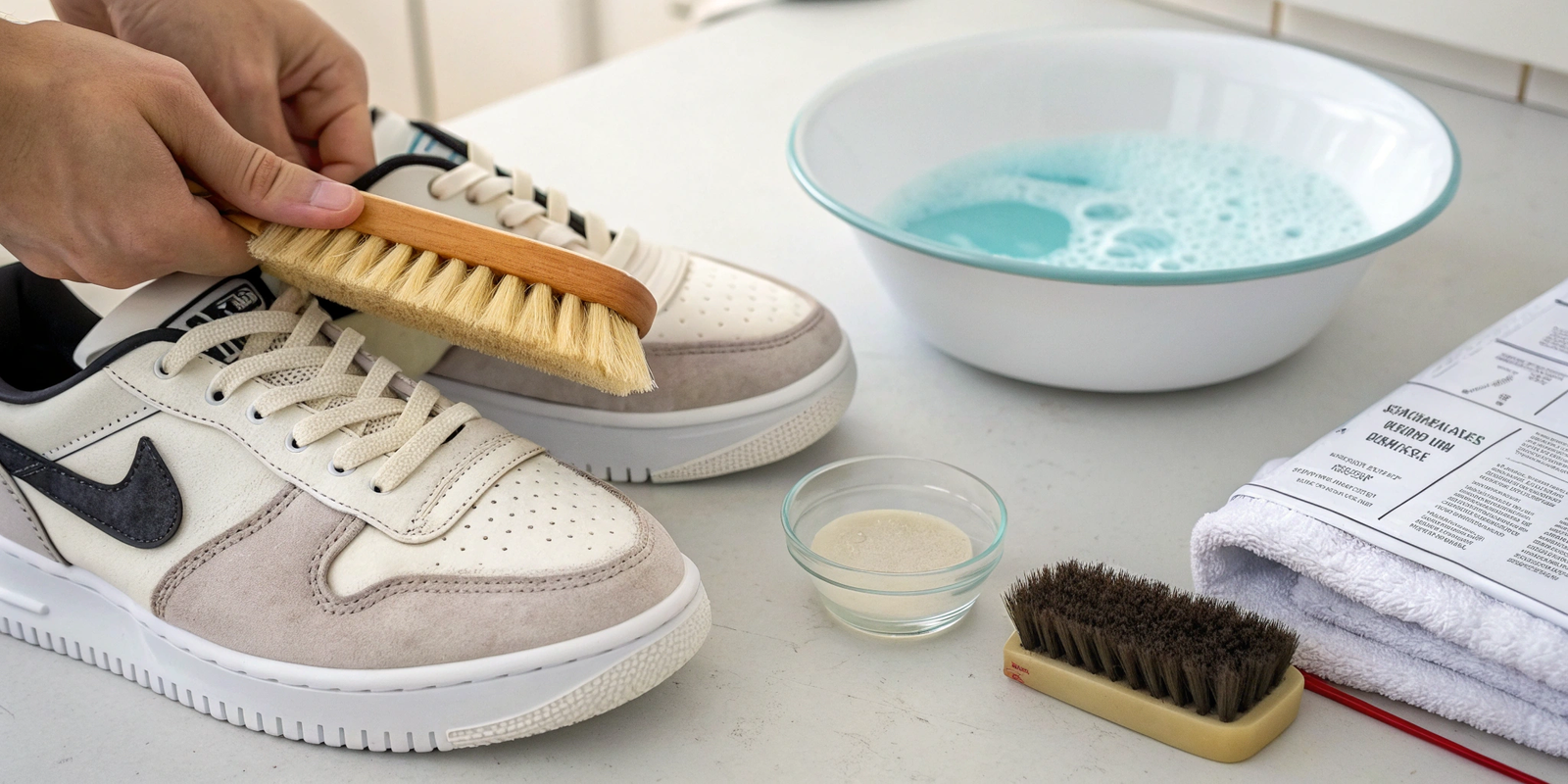 As someone who's overseen the manufacturing of countless pairs of shoes at Lucas, I know how different materials react. Aggressive cleaning can be far worse than dirt, potentially degrading adhesives, discolored fabrics, or hardening leather, which is why a gentle touch is key.
DIY Cleaning Methods That Are Actually Safe
Are you looking for effective yet safe ways to clean your sneakers using items you likely already have at home? Many common household products can work wonders without causing damage.
Safe DIY sneaker cleaning methods involve using gentle household items such as mild dish soap diluted with water, baking soda paste for tough stains, or white vinegar for odor elimination and light cleaning. Always apply these solutions with soft brushes or cloths, gently scrubbing stained areas, and ensure thorough rinsing with clean water. Air drying away from direct heat is crucial to prevent material distortion or discoloration, preserving the sneaker's integrity.
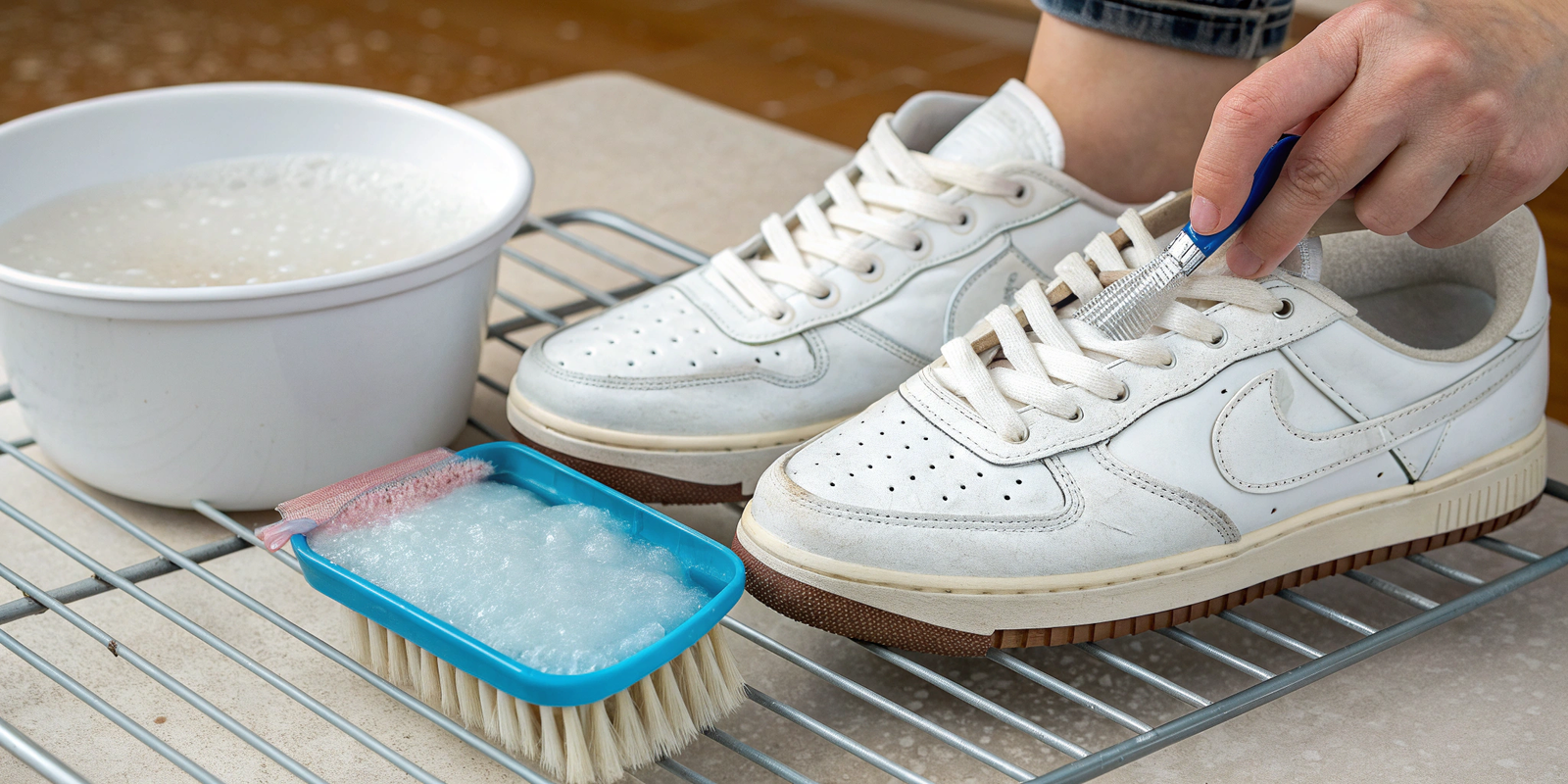 Working in footwear production, I've seen countless prototypes get tested for durability and material reaction. Trust me, less is often more when it comes to cleaning, and these DIY methods are usually quite effective because they avoid harsh abrasives.
Gentle Cleaning Solutions from Your Pantry
You don't need fancy, expensive cleaners for most sneaker-cleaning jobs. These DIY methods are surprisingly effective and safe.
- 1. Mild Dish Soap and Water (
The Everyday Clean):- What you need: Warm water, a few drops of mild dish soap (like Dawn), a soft-bristled brush (old toothbrush works great), and a microfiber cloth.
- How it works: Mix a small amount of dish soap with warm water to create a sudsy solution. Dip your brush into the solution and gently scrub affected areas of the sneaker (fabric, rubber, pleather). For leather, use the microfiber cloth dipped in the solution and wipe. Never fully submerge your sneakers.
- Why it's safe: Mild dish soap is designed to effectively remove grease and dirt without being harsh on most materials. The key is using a diluted solution and a soft brush to avoid abrasion.
- 2. Baking Soda Paste (
For Tough Stains & Odors):- What you need: Baking soda, a small amount of water, and an old toothbrush.
- How it works: Mix 2-3 tablespoons of baking soda with just enough water to form a thick paste. Apply the paste directly to stubborn stains on fabric or rubber, and gently scrub with a toothbrush. Let it sit for 15-20 minutes, then rinse thoroughly with a damp clean cloth. Baking soda also helps absorb odors.
- Why it's safe: Baking soda is a gentle abrasive and a natural deodorizer. Its mild alkalinity helps break down dirt without damaging most shoe materials, and it's non-toxic.
- 3. White Vinegar Spray (
For Odor & Light Stains):- What you need: White vinegar, water, a spray bottle, and a clean cloth.
- How it works: Mix equal parts white vinegar and water in a spray bottle. Lightly spray the solution inside the shoes to combat odors, or onto light canvas/mesh stains. Wipe clean with a cloth. For more stubborn odors, you can put a small bowl of undiluted vinegar inside each shoe overnight.
- Why it's safe: Vinegar's acetic acid neutralizes odors and can help lift light stains. It evaporates thoroughly and leaves no residue, making it safe for internal shoe components, just avoid prolonged contact with leather.
- 4. Magic Eraser (
For Scuffs on Midsoles/Outsoles):- What you need: A Mr. Clean Magic Eraser (or generic melamine foam sponge) and water.
- How it works: Dampen the Magic Eraser and gently rub it over scuffs and marks on rubber midsoles and outsoles.
- Why it's safe: The melamine foam acts as a micro-abrasive, lifting scuffs without needing harsh chemicals. It's very effective on rubber but never use it on fabric, leather, or painted surfaces, as it can remove color.
- 5. Toothpaste (
For White Rubber):- What you need: White, non-gel toothpaste (not colored), an old toothbrush, and a clean damp cloth.
- How it works: Apply a small amount of toothpaste to the rubber sole, scrub gently with a toothbrush, then wipe clean with a damp cloth.
- Why it's safe: The mild abrasives in toothpaste can lift scuffs and small stains from rubber, much like the Magic Eraser, but be sure it's white toothpaste and rinse completely.
Always remember to test any cleaning solution on a small, inconspicuous area first, especially with colored sneakers, to ensure there's no discoloration. For leather, always use a very light touch and a softer cloth instead of a brush. After cleaning, always air dry your sneakers away from direct sunlight or heat sources like radiators, as heat can warp materials and degrade adhesives. Stuffing them with paper towels can help them maintain their shape and absorb moisture.
| Cleaning Method | Best For | Materials | Caution |
|---|---|---|---|
| Mild Dish Soap | Everyday dirt, general grime | Fabric, rubber, pleather, leather (wipe) | Dilute well; avoid full submersion. |
| Baking Soda Paste | Tough stains, odors | Fabric, rubber, inside shoes | Rinse thoroughly. |
| White Vinegar | Odor elimination, light stains | Inside shoes, canvas, mesh | Avoid prolonged leather contact. |
| Magic Eraser | Scuffs on rubber midsoles | Rubber midsoles/outsoles | NEVER use on fabric, leather, paint. |
| Toothpaste | White rubber soles | White rubber soles | Use white, non-gel; rinse completely. |
How to clean white sneakers without yellowing Are you frustrated with your pristine white sneakers turning an unsightly yellow after cleaning? Preventing yellowing is a key challenge in maintaining their crisp look. To clean white sneakers without yellowing, it's crucial to avoid harsh chemicals like bleach, which can react with shoe materials and cause discoloration. Instead, use gentle, non-bleach cleaning agents such as diluted mild dish soap, baking soda paste, or specialized white sneaker cleaners. After cleaning, thoroughly rinse away all residue and allow the sneakers to air dry completely indoors, away from direct sunlight or excessive heat, as UV light and heat can accelerate yellowing.
Preventing Yellowing: The White Sneaker Conundrum
Yellowing is a common problem with white sneakers, especially with rubber components. Here's how to combat it effectively:
- 1. Avoid Bleach at All Costs:
- Why: This is the most crucial rule! While bleach seems intuitive for whitening, it's highly alkaline and an oxidizing agent. It chemically reacts with the polymers (especially EVA foam and rubber) in most sneaker soles and sometimes the upper materials. This reaction causes them to break down and turn yellow, often permanently. Once this chemical yellowing occurs, it's very difficult to reverse.
- Instead: Stick to oxygen-based cleaners specifically designed for fabrics or the natural cleaning solutions mentioned above (mild dish soap, baking soda).
- 2. Use Gentle, Non-Abrasive Cleaners:
- For Uppers (Fabric/Leather/Synthetics): Use a solution of mild dish soap and warm water, or a dedicated sneaker cleaner. Gently scrub with a soft brush or microfiber cloth. For leather, use a soft cloth and a gentle leather cleaner.
- For Midsoles/Outsoles (Rubber/EVA): Baking soda paste is excellent for rubber. Magic Eraser (melamine foam) works wonders on rubber soles for scuffs without chemicals. Again, no bleach.
- 3. Rinse Thoroughly and Completely:
- Why: Any cleaning residue left on the shoe can interact with light and air, leading to yellowing or leaving streaks.
- How: After scrubbing, wipe down the entire shoe multiple times with a clean, damp cloth until all soap or paste residue is gone. For fabric or mesh, you might gently rinse under a faucet, ensuring the interior doesn't get soaked.
- 4. Proper Drying is Key:
- Why: Exposure to direct sunlight (UV rays) and excessive heat (from dryers, radiators) can accelerate the oxidation process, leading to yellowing, especially in rubber and EVA.
- How: Always air dry your white sneakers indoors. Place them in a well-ventilated area away from direct sun. Stuff the toes with white paper towels (never newspaper, as ink can transfer) to absorb moisture and help maintain their shape. Change paper towels as they become damp.
- 5. Consider Specialized Whitening Products (Use with Caution):
- There are products on the market specifically designed to "whiten" soles or uppers that have yellowed. These often contain mild optical brighteners or gentle bleaching agents that might work on surface yellowing. Always follow instructions meticulously and test on a hidden area. A "sole sauce" or retro-brite method can sometimes mitigate existing yellowing on rubber after a thorough cleaning.
The key to keeping white sneakers white is prevention through proper, gentle cleaning and drying techniques, especially avoiding harsh chemicals and direct exposure to intense light or heat.
| Action Point | How to Prevent Yellowing | Why It Works |
|---|---|---|
| Avoid Bleach | Never use bleach on white sneakers. | Chemically reacts with polymers, causing permanent yellowing. |
| Use Gentle Cleaners | Mild dish soap, baking soda, dedicated sneaker cleaner. | Clean effectively without harsh chemical reactions. |
| Rinse Thoroughly | Wipe multiple times with clean, damp cloth until residue-free. | Prevents residues from causing streaks or discolored patches. |
| Proper Drying | Air dry indoors, away from direct sunlight and heat. | UV light and heat accelerate oxidation and material yellowing. |
| Test Products | Always test any new cleaning product on an inconspicuous area. | Ensures no adverse reactions or unintended discoloration occurs. |
Anti-yellowing methods for white soles
Are you struggling to keep the white soles of your sneakers pristine and free from that annoying yellow tint? It's a common battle, but there are effective strategies.
Anti-yellowing methods for white soles focus on prevention and targeted treatment. Firstly, avoid using harsh chemicals like bleach during cleaning. When cleaning, use gentle solutions like diluted dish soap or baking soda paste, followed by thorough rinsing. For drying, always air dry away from direct sunlight. To treat existing yellowing, specialized "sole sauces" or retro-brite solutions containing hydrogen peroxide can be applied, but they require careful application and UV exposure to reverse oxidation, and are generally best for rubber.
As we develop shoe prototypes at Lucas, we extensively test materials for their long-term durability and colorfastness. Understanding why soles yellow is the first step to truly preventing it. It's often about oxidation.
Reversing and Preventing Yellowed Soles
Yellowing in white soles, particularly those made of rubber or EVA foam, is mainly due to oxidation caused by UV light exposure, heat, and chemical reactions from certain cleaning agents.
- 1. Prevention is Key (Repeat from above, but emphasize soles):
- Avoid Bleach: Absolutely steer clear of bleach. It catastrophically accelerates yellowing in sole materials.
- Gentle Cleaning for Soles: For routine cleaning, use a mild dish soap solution, baking soda paste, or a sneaker-specific sole cleaner. A Magic Eraser works exceptionally well for surface scuffs and grime on rubber.
- Thorough Rinsing: Ensure no cleaning product residue remains on the soles.
- Proper Drying: Air dry indoors, away from direct sunlight. UV rays are a major culprit for yellowing.
- 2. Targeted Treatment for Existing Yellowing (
Sole Sauce/Retro-brite):- What it is: This method typically involves applying a solution containing a high concentration of hydrogen peroxide (often 10-40% cream peroxide, readily available at beauty supply stores for hair bleaching) to the yellowed areas of the sole. Store-bought "sole sauces" are pre-formulated versions of this.
- How it works: Hydrogen peroxide is a powerful oxidizing agent. When exposed to UV light (either natural sunlight or a dedicated UV lamp), it speeds up the breakdown of the yellowed oxidation, effectively reversing the discoloration.
- Process:
- Clean the Sole Thoroughly: Before applying the sauce, ensure the sole is completely clean and dry.
- Apply the Sauce: Wearing gloves, apply a thick, even layer of the hydrogen peroxide cream to all yellowed areas of the sole. Avoid contact with non-rubber/EVA parts (uppers, painted areas) as it can damage them.
- Wrap for Protection: Tightly wrap the treated sole with clear plastic wrap (cling film). This prevents the peroxide from drying out and enhances the process.
- UV Exposure: Place the wrapped shoe in direct, strong sunlight for several hours (4-8 hours, or longer if needed, checking periodically). Alternatively, use a UV lamp in a controlled environment.
- Rinse and Repeat: After exposure, unwrap and thoroughly rinse off all the peroxide cream. Inspect the sole. For stubborn yellowing, multiple treatment sessions might be necessary.
- Cautions:
- Wear Gloves: Hydrogen peroxide can irritate skin.
- Protect Uppers: Extreme care is needed to prevent the peroxide from touching fabric or non-rubber components, as it can cause bleaching or damage. Use painter's tape to mask off sensitive areas.
- Monitor: Don't leave unattended. Excessive heat or prolonged exposure can sometimes degrade materials.
- Mostly for Rubber/EVA: This method is most effective on translucent and rubber soles, less so on textured fabric midsoles or heavily dyed plastic.
While "sole sauces" can be highly effective for reversing existing yellowing on rubber and EVA soles, they are an intensive treatment. Your best defense against yellowed soles is vigilant prevention through gentle cleaning and proper drying from the outset.
| Method | Purpose | Materials Best For | Application Steps | Risks/Cautions |
|---|---|---|---|---|
| Prevention (General) | Avoid future yellowing | All sole types | Avoid bleach, gentle cleaning, thorough rinsing, air dry indoors (no sun/heat). | Neglecting preventative measures leads to yellowing. |
| Sole Sauce (Peroxide) | Reverse existing yellowing | Rubber, translucent soles, EVA | Clean sole, apply cream, wrap, expose to UV (sun/lamp), rinse, repeat if needed. | Skin irritation, damage to uppers, material degradation if overused. |
Conclusion To clean sneakers without damage, use gentle DIY methods like diluted dish soap and soft brushes, especially avoiding harsh chemicals. For white sneakers, rigorously avoid bleach and dry indoors to prevent yellowing. For existing yellowed soles, specialized hydrogen peroxide treatments like "sole sauce" can help, but prevention through gentle cleaning and proper drying remains the safest and most effective long-term solution.