
Are your once pristine white shoe soles now sporting an unsightly yellowish tint, and you're at a loss for how to restore them without making it worse? It's a frustrating but common problem for many sneaker enthusiasts.
The right way to clean white shoe soles without yellowing involves understanding the cause of the discoloration and using gentle, effective methods such as baking soda paste, mild dish soap with a soft brush, or specialized sole cleansers. For more stubborn yellowing, a carefully applied retrobright treatment (using hydrogen peroxide and UV light) can be effective, but always requires caution. Crucially, avoid harsh chemicals like bleach, which can actually exacerbate yellowing due to oxidation, and ensure thorough rinsing and air drying away from direct sunlight to prevent further damage.
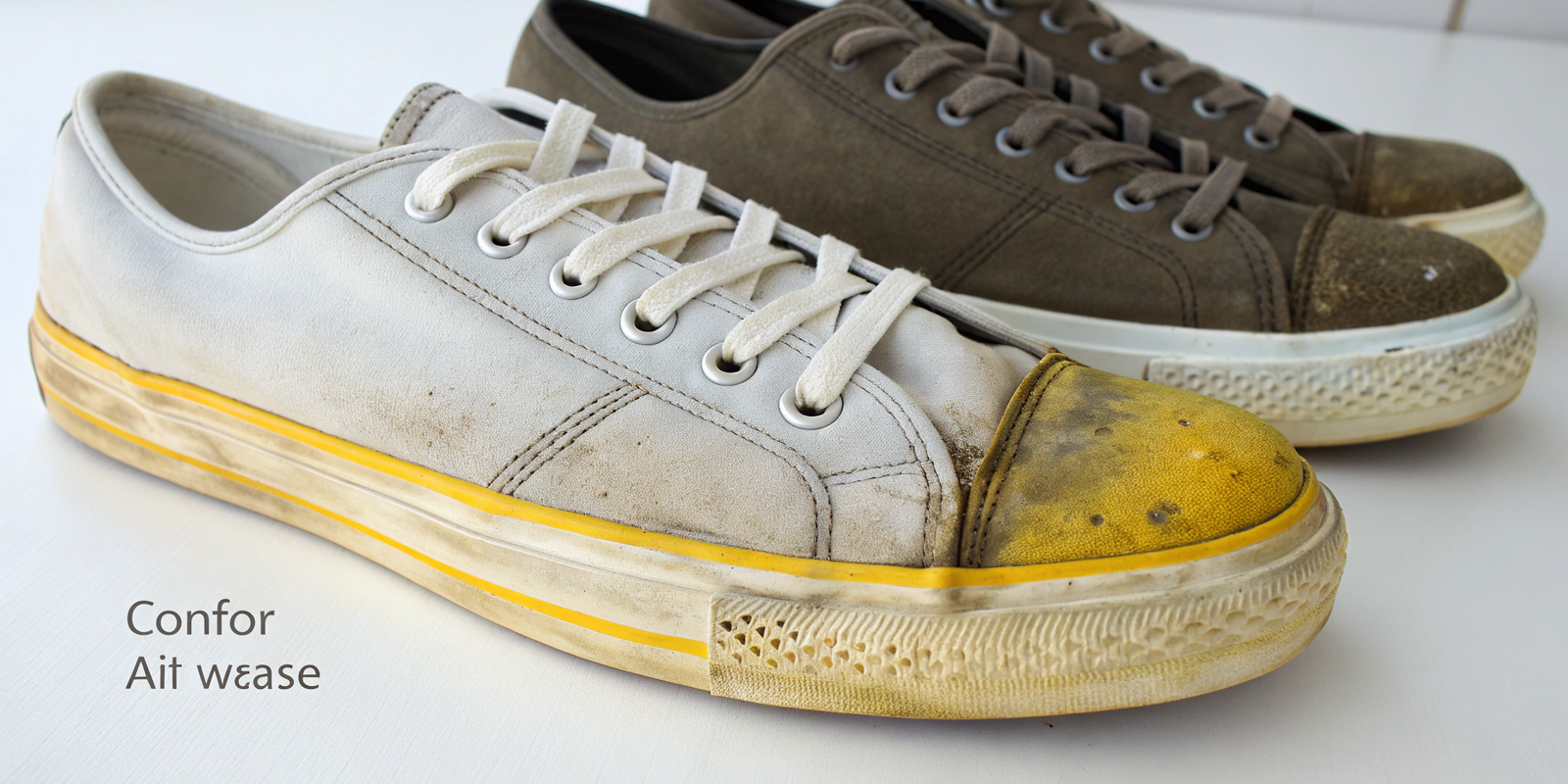
Why Shoe Soles Turn Yellow in the First Place Do you assume those yellowing soles are just years of dirt, when in fact, there's a more complex chemical process at play? Understanding the root cause is the first step to truly tackling the problem. Shoe soles, particularly white and translucent ones, primarily turn yellow due to oxidation—the rubber compounds reacting with oxygen, light, and environmental pollutants over time, which breaks down the material and exposes underlying yellow pigments. Other contributing factors include UV light exposure, which accelerates oxidation; dirt and grime that embed into the material; and the use of harsh cleaning chemicals like bleach, which can strip protective layers and speed up the yellowing process by reacting negatively with the rubber. This is prevalent in EVA midsoles and rubber outsoles.
The Science Behind the Sole's Yellowing
It might seem like a simple case of getting dirty, but the yellowing of shoe soles is actually a fascinating mix of chemistry and environment.
- 1. Oxidation (The Primary Culprit):
- What it is: This is the most significant reason. The rubber and plastic compounds used in shoe soles (especially EVA and various rubber types) react with oxygen in the air over time. This chemical reaction breaks down the material at a molecular level.
- How it looks: This breakdown often exposes or enhances yellow-tinted pigments that are naturally present in the raw materials of the sole. It's similar to how an apple turns brown when exposed to air.
- Impact: This process is accelerated by heat, light (especially UV), and even age. It's why older shoes, even unworn ones, can still yellow.
- 2. UV Light Exposure:
- What it is: Sunlight (Ultraviolet radiation) is a powerful catalyst for oxidation.
- How it works: UV rays degrade the chemical bonds in the sole's materials, speeding up the yellowing process significantly. Long periods in direct sunlight are particularly damaging. I've often seen shoes that were left by a window turn yellow on the exposed side much faster.
- 3. Dirt, Grime, and Environmental Pollutants:
- What it is: While not the sole cause of chemical yellowing, accumulated dirt, dust, and pollutants (like smog or oil) can embed into the microscopic pores of the sole material.
- How it looks: This surface layer of grime darkens and discolors the white, making it appear yellow or dull. It also acts as a "primer" for deeper chemical yellowing by trapping oxygen and chemicals against the surface.
- 4. Improper Cleaning Chemicals (Especially Bleach):
- What it is: Many people reach for bleach to whiten soles, thinking it's the obvious solution. However, bleach is an oxidizing agent.
- How it works: While it might temporarily whiten by chemically altering surface dirt, bleach can react negatively with the rubber compounds, accelerating their natural oxidation and actually causing more yellowing in the long run. It strips away protective layers in the sole's material, making it more vulnerable to future oxidation.
- Impact: This is a common mistake that turns a solvable problem into a permanent one.
- 5. Manufacturing Pigments and Additives:
- What it is: Sometimes, the yellowing can be due to the yellowing of antioxidants or other chemicals added during the manufacturing process to prevent yellowing. Ironically, some of these can themselves yellow over time as they degrade.
- How it looks: This is less common for consumers to control but can be a factor in some cases. At Lucas, we carefully select our raw materials and test for color stability to minimize this.
Understanding these factors helps us choose the right cleaning methods – those that address the yellowing without causing further chemical degradation.
| Cause of Yellowing | Mechanism of Action | Impact on Soles | How to Mitigate |
|---|---|---|---|
| Oxidation | Rubber/plastic compounds react with oxygen, breaking down material. | Exposes/enhances yellow pigments, material degradation. | Limit air exposure (store in airtight bags), use antioxidants. |
| UV Light Exposure | UV radiation accelerates oxidation, degrades chemical bonds. | Speeds up yellowing significantly. | Store in dark places, avoid prolonged direct sunlight. |
| Dirt & Environmental Pollutants | Grime embeds into pores, surface discoloration. | Darkens/dulls white, provides a base for further yellowing. | Regular cleaning, protective sprays. |
| Harsh Cleaning Chemicals (Bleach) | Bleach (an oxidizer) strips protective layers, accelerates degradation. | Causes more severe, often permanent, yellowing over time. | Avoid bleach; use mild, shoe-safe cleaners. |
| Manufacturing Pigments/Additives | Degradation of chemicals meant to prevent yellowing or inherent pigments. | Can contribute to underlying yellowing (less common/controllable). | Quality material selection, proper formulation (manufacturer responsibility). |
The Safest Ways to Clean Shoe Soles (Without Yellowing)
Are you tired of trying every cleaning trick only to find your white soles still yellow, or worse, becoming more so? The secret lies in using safe, proven methods that tackle yellowing without damaging the material.
The safest ways to clean white shoe soles without causing further yellowing involve using non-abrasive, non-oxidizing agents and careful application. Effective methods include creating a paste from baking soda and mild dish soap (or hydrogen peroxide), scrubbing gently with an old toothbrush, and thorough rinsing. For oxidation-induced yellowing, a controlled application of "retrobright" solution (hydrogen peroxide cream and UV light) can reverse the process. Always air dry away from direct sunlight, and avoid harsh chemicals like bleach or abrasive scrubbers, which can damage the sole's material and accelerate yellowing over time.
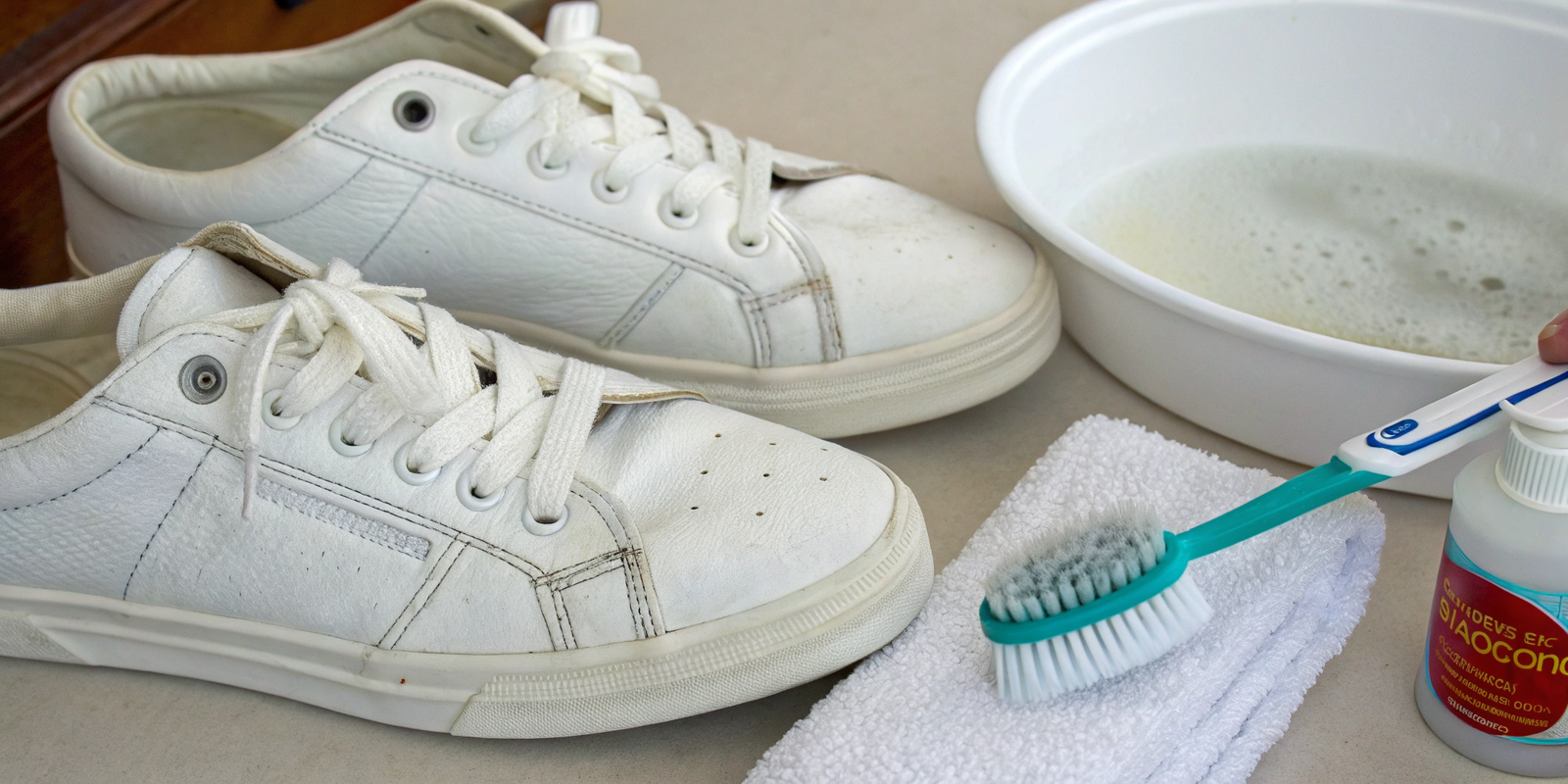
Gentle Yet Effective: Your Go-To Sole Cleaning Arsenal
Forget the harsh chemicals. These methods are proven to be safe and effective for restoring white soles without causing further damage.
- 1. Baking Soda & Mild Dish Soap Paste (My Go-To):
- Why it works: Baking soda is a gentle abrasive and a natural whitener. Mild dish soap cuts through grease and grime without being too harsh. This combination is effective for surface dirt and light yellowing from environmental factors.
- How to do it:
- In a small bowl, mix 1-2 tablespoons of baking soda with enough mild liquid dish soap (like Dawn) to form a thick paste. If you don't have dish soap, a small amount of water or even a little white vinegar can work.
- Apply the paste to the yellowed areas of the sole using an old toothbrush or a small scrubbing brush.
- Gently scrub in small circular motions. Pay attention to crevices.
- Let the paste sit on the soles for 10-15 minutes. This allows the baking soda to work its magic.
- Rinse thoroughly with clean water, ensuring all paste is removed. Wipe with a clean, damp cloth.
- Air dry the shoes completely in a well-ventilated area, away from direct sunlight.
- 2. White Vinegar:
- Why it works: White vinegar is a mild acid that can break down dirt and some surface stains without being as harsh as bleach.
- How to do it:
- Mix equal parts white vinegar and water in a spray bottle or small bowl.
- Spray or apply the solution directly to the soles.
- Scrub with a brush, then wipe clean with a damp cloth.
- Rinse lightly if needed, and air dry.
- 3. Magic Eraser (Melamine Foam):
- Why it works: A Magic Eraser works like a super-fine abrasive, gently scrubbing away surface dirt and scuffs without chemicals.
- How to do it:
- Lightly dampen a Magic Eraser.
- Gently rub it over the yellowed or scuffed areas of the sole. Be gentle; don't press too hard, as it can be abrasive.
- Wipe away any residue with a clean cloth.
- 4. Specialized Sole Cleaners/Sneaker Cleaning Kits:
- Why it works: Many brands (like Jason Markk, Reshoevn8r, Crep Protect) offer specially formulated sole cleaners. These are designed to be safe for shoe materials and often include brushes optimized for scrubbing soles.
- How to do it: Follow the product's instructions carefully. These usually involve applying the solution, scrubbing, and wiping clean.
- 5. The "Retrobright" Method (for Oxidation Yellowing - Use with Caution!):
- Why it works: This method uses hydrogen peroxide (a mild bleaching agent, but when used in a controlled manner for retro-brightening it typically doesn't cause damage like bleach) and UV light to reverse oxidation. This is best for severe, age-related yellowing.
- How to do it (use extreme caution and wear gloves/eye protection):
- Obtain 40 volume (12%) hydrogen peroxide cream (often sold as hair developer).
- Apply a thin, even layer of the cream to the clean and dry yellowed soles.
- Crucially: Wrap the soles tightly with clear plastic wrap (cling film) to prevent the peroxide from drying out.
- Place the shoes in direct strong sunlight or under a UV lamp for a few hours. Check periodically. This process can be repeated.
- Thoroughly rinse off all hydrogen peroxide cream.
- Air dry completely away from direct sunlight.
- Warning: This method is powerful but can be risky if not done correctly. It can damage other shoe materials if not protected, and too much exposure can make soles brittle. This is an advanced technique.
Important Post-Cleaning/Maintenance Tips:
- Rinse Thoroughly: Any cleaning residue left on the sole can attract dirt or even degrade the material over time. Rinse, rinse, rinse!
- Air Dry ONLY: Never put shoes in a machine dryer. High heat can cause warping, shrinking, and damage to adhesives, leading to more yellowing. Air dry in a cool, well-ventilated area, away from direct sunlight. You can stuff them with paper towels to absorb moisture and help maintain shape.
- Protect Your Soles: After cleaning, consider applying a shoe protector spray designed for their material.
- Regular Maintenance: The best way to prevent severe yellowing is regular, light cleaning. Wipe soles down after each wear to prevent dirt buildup.
| Cleaning Method | Materials Needed | Best For | Pros | Cons/Considerations |
|---|---|---|---|---|
| Baking Soda & Dish Soap Paste | Baking soda, mild dish soap, old toothbrush, water, cloth. | Surface dirt, light yellowing, general grime. | Safe, effective, uses common household items. | Might not tackle severe oxidation yellowing. |
| White Vinegar | White vinegar, water, spray bottle/dish, brush, cloth. | Mild stains, dirt, some odors. | Natural, mild acid, removes dirt and grime. | Pungent odor during process; not for severe yellowing. |
| Magic Eraser (Melamine Foam) | Magic Eraser, water. | Scuffs, surface dirt, light marks. | Easy to use, no harsh chemicals needed, effective for surface issues. | Can be abrasive if pressed too hard; doesn't address deep yellowing. |
| Specialized Sole Cleaners | Specific product (e.g., Jason Markk, Reshoevn8r) | Various levels, depending on product formulation. | Formulated for shoes, often effective, kits include brushes. | Can be more expensive, need to follow specific instructions. |
| Retrobright (Hydrogen Peroxide/UV) | 40 vol H2O2 cream, plastic wrap, UV light/sun, gloves, eye protection. | Severe oxidation yellowing (age-related). | Can reverse deep yellowing, very effective for oxidation. | HIGH RISK: can damage other materials, make soles brittle if overdone; requires safety gear. |
Conclusion To combat yellowing, focus on safe, gentle methods. Use a baking soda and dish soap paste, a Magic Eraser, or specialized sole cleaners for routine cleaning and light discoloration. For stubborn oxidation, the "retrobright" method with hydrogen peroxide and UV light can work, but use extreme caution. Always air dry shoes away from direct sunlight and avoid harsh chemicals like bleach, which cause more harm than good in the long run.