
Have you noticed the increasing popularity of shoes that seem to have less to them, yet offer so much more? It's a fascinating trend where less is truly more.
Minimalist shoes, often referred to as "barefoot shoes," are footwear designed to interfere as little as possible with the foot's natural movement and function, aiming to replicate the sensory and kinematic experience of walking or running barefoot. Their design philosophy centers on promoting natural foot strength, balance, and proprioception by featuring a thin, flexible sole (zero-drop or low-drop), a wide toe box that allows for natural toe splay, and no restrictive arch support or cushioning. The goal is to allow your foot to act as it evolved – as a primary shock absorber and sensor, encouraging a more natural gait cycle and strengthening the intrinsic foot muscles.
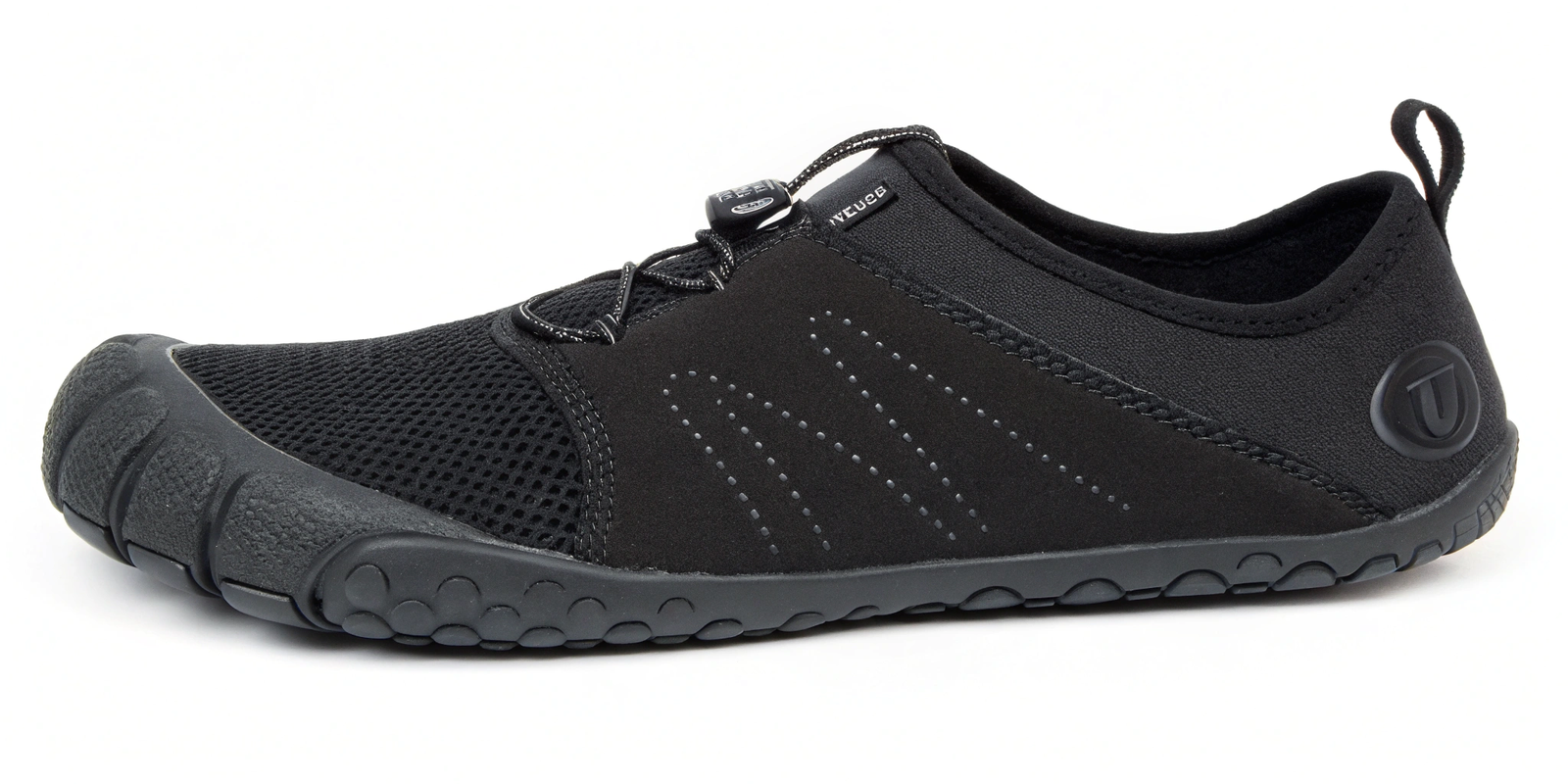 At Lucas, with over two decades in the footwear industry, I've observed countless trends come and go. The rise of minimalist footwear, however, feels different. It's not just a fleeting style; it's a re-evaluation of how shoes can genuinely support natural human movement, a philosophy deeply resonant with our commitment to functional, high-quality design.
What are minimalist shoes?
Imagine walking or running without the bulk and rigidity of typical sneakers. That's the core idea behind minimalist shoes.
Minimalist shoes are characterized by their "less is more" design philosophy, focusing on features that allow the foot to move as naturally as possible. Their defining characteristics include a "zero-drop" sole, meaning there's no height difference between the heel and the forefoot, which promotes a level platform similar to being barefoot and encourages a midfoot or forefoot strike rather than a hard heel strike. They possess extreme flexibility, allowing the foot to bend, twist, and splay naturally in all directions. The soles are typically thin, providing just enough protection from terrain while maximizing ground feel and proprioception (the foot's ability to sense its position and movement). Crucially, minimalist shoes feature a wide, anatomically shaped toe box that allows the toes to spread out freely, preventing compression and promoting better balance. Finally, they often lack traditional arch support or rigid cushioning, encouraging the foot's intrinsic muscles and natural arch structure to strengthen and support themselves.
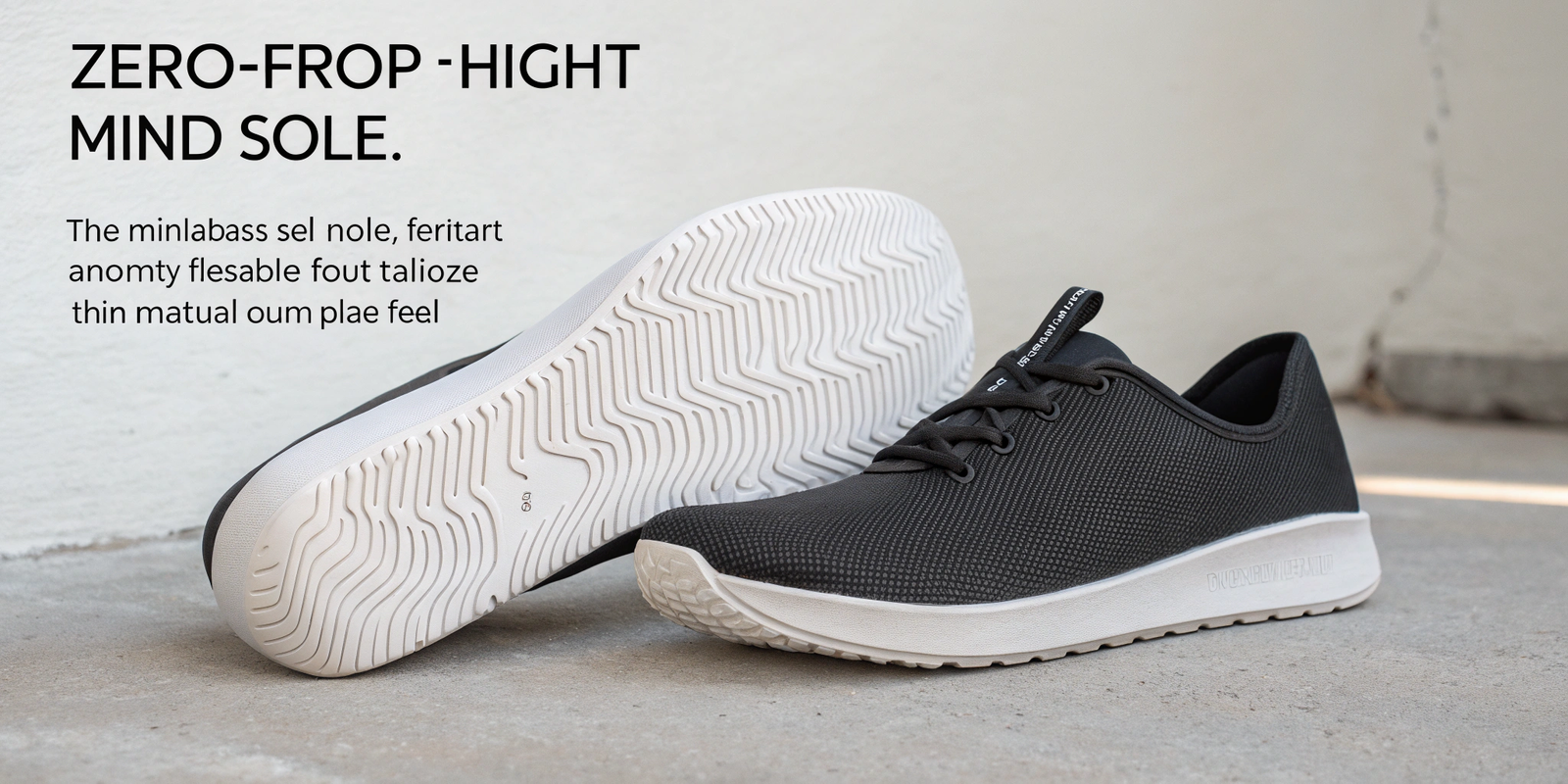 From my perspective at Lucas, building a truly effective minimalist shoe is an exercise in precision. You're stripping away the "crutches" of excessive support, forcing a reliance on the foot's natural architecture. It's about clever material science and last design that protect and adapt, rather than dictate.
How do minimalist shoes differ from traditional footwear?
If you've only ever worn conventional shoes, you might wonder how minimalist shoes can feel so different. It comes down to fundamental design principles.
Minimalist shoes differ fundamentally from traditional footwear in several key design aspects that directly impact how the foot interacts with the ground and how the body moves. Traditional footwear often features a significant heel-to-toe drop, which elevates the heel above the forefoot, altering natural alignment and potentially encouraging a forceful heel strike. They typically incorporate substantial cushioning, which, while comfortable, can reduce ground feel and potentially dampen the foot's natural shock absorption mechanisms. Moreover, conventional shoes frequently have narrow toe boxes that cramp the toes, inhibiting natural splay and affecting balance, and they often include rigid arch support that can prevent the foot's intrinsic muscles from working naturally to maintain the arch. In contrast, minimalist shoes prioritize a zero-drop profile, minimal cushioning for enhanced ground feel, a wide toe box for natural toe movement, and no restrictive arch support. This allows the foot to function more naturally, encouraging stronger foot muscles, improved balance, and a more efficient, less impactful gait.
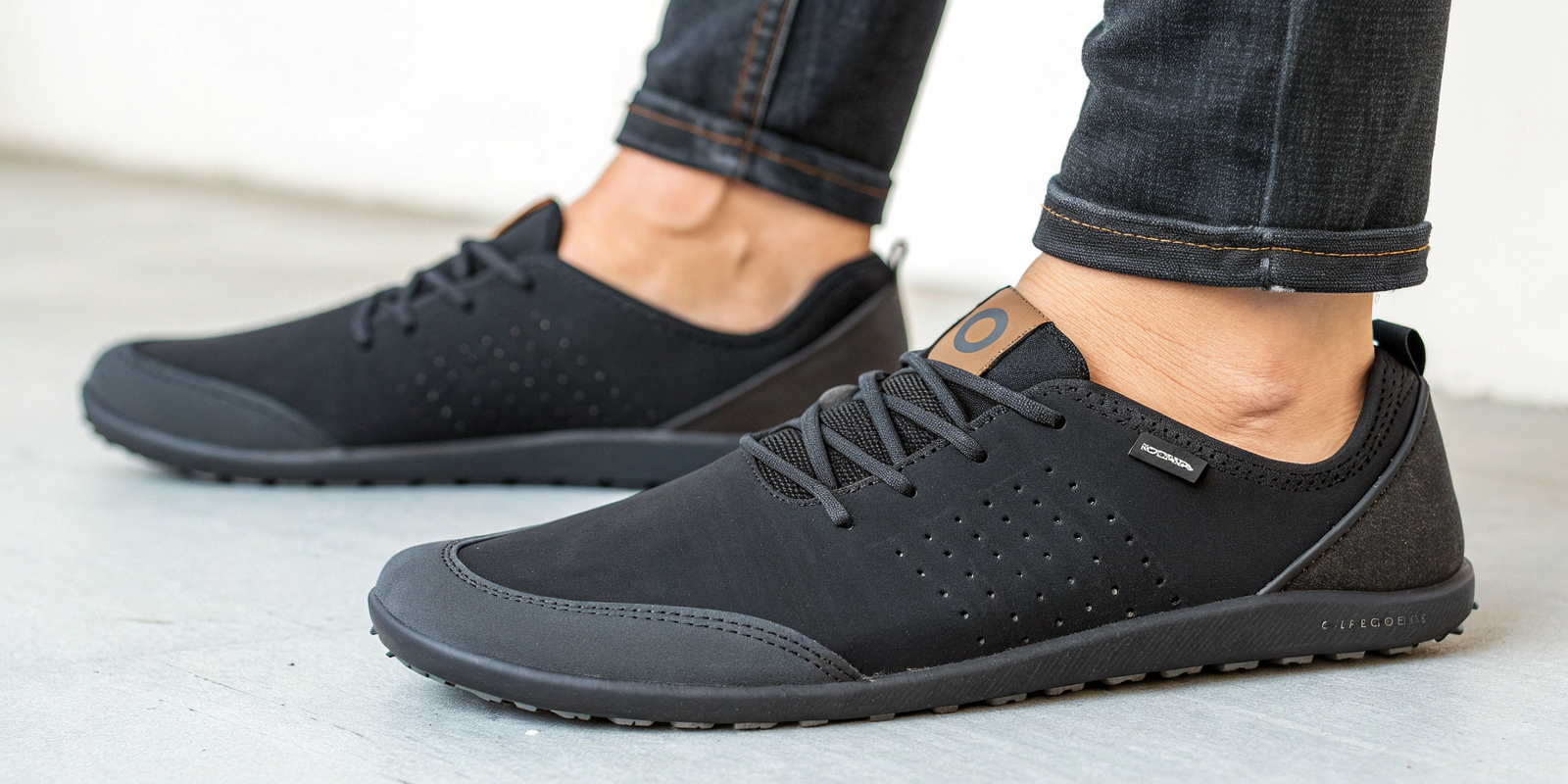 At Lucas, we understand that traditional shoes serve their purpose, offering structured support and cushioning for various activities. However, the minimalist approach represents a different philosophy – one of empowerment to the foot itself. It's about designing shoes that get out of the foot's way.
Design Philosophies: Minimalist vs. Traditional Footwear
The contrast between minimalist and traditional footwear extends beyond aesthetics; it's rooted in fundamentally different design philosophies about how a shoe should interact with the human foot and body. These philosophies impact everything from biomechanics and foot health to comfort and performance.
| Feature Area | Minimalist Footwear Philosophy | Traditional Footwear Philosophy | Biomechanical Impact |
|---|---|---|---|
| Heel-to-Toe Drop | Zero-Drop (or very low): Heel and forefoot are at the same height, mimicking barefoot. | Positive Drop (typically 8-12mm): Heel is elevated higher than the forefoot. | Minimalist: Encourages midfoot/forefoot strike, promotes natural body alignment, reduces heel impact force, strengthens Achilles tendon and calf muscles. <br> Traditional: Encourages heel striking, can alter natural gait, potentially creating more forceful impacts and shortening Achilles tendons over time. |
| Cushioning | Minimal (Thin Sole): Provides just protection, maximizes ground feel. | Substantial (Thick Midsole): Designed for shock absorption and comfort. | Minimalist: Enhances proprioception (body awareness), strengthens intrinsic foot muscles, allows foot to naturally absorb shock. <br> Traditional: Reduces impact feel, can weaken foot muscles over time, may diminish proprioception, potentially leading to over-reliance on shoe for shock absorption. |
| Toe Box Shape | Wide, Foot-Shaped: Allows toes to fully splay and relax. | Narrow, Tapered: Often compresses toes, especially the big toe. | Minimalist: Prevents bunions and hammertoes, improves balance, allows natural toe-off power. <br> Traditional: Can lead to toe deformities, limit toe splay crucial for stability, and reduce push-off efficiency. |
| Arch Support | None (or very subtle): Encourages foot's natural arch to strengthen. | Supportive (often rigid): Provides external support for the arch. | Minimalist: Strengthens foot's intrinsic muscles, allows natural arch collapse (pronation) and recoil and promotes adaptability. <br> Traditional: Can weaken natural arch muscles (if overused), may prevent natural foot movement, and lead to dependency on external support. |
| Flexibility | Highly Flexible: Allows foot to bend and twist naturally in all planes. | Stiffer (especially midfoot/shank): Provides more structural rigidity. | Minimalist: Promotes natural foot articulation, enhances foot strength and dexterity, allows foot to adapt to varied terrain. <br> Traditional: Can restrict natural foot movement, alter gait cycle, and lead to stiffness or pain in feet unaccustomed to natural articulation. |
| Primary Goal | To allow the foot to move and function as if barefoot, strengthening it. | To provide cushioning, support, and protection, sometimes at the expense of natural motion. | Minimalist: Aims for healthier, stronger feet and a more natural gait. <br> Traditional: Aims for immediate comfort, impact protection, and sometimes correction of perceived foot flaws. |
As a shoe manufacturer, I've spent years analyzing these fundamental differences. At Lucas, we recognize that while traditional shoes have their place, the minimalist philosophy offers a compelling alternative for those seeking to reconnect with their body's natural movement capabilities. It's not about making our shoes "look" minimalist; it's about embedding the core principles into their very construction.
Are minimalist shoes safe for running or sports? You might wonder if wearing what feels like "barely-there" shoes for high-impact activities like running or competitive sports is actually safe. It's a valid question. Minimalist shoes can be very safe and effective for running and sports, but they require a gradual and mindful transition period, similar to any significant change in training. Unlike traditional athletic shoes that encourage a heel strike, minimalist footwear naturally promotes a midfoot or forefoot strike, which can be a more efficient and lower-impact way to run, as the foot's natural arches and muscles act as primary shock absorbers. However, this transition requires strengthening the intrinsic foot muscles, calves, and Achilles tendons, which may have been weakened or shortened by years of wearing supportive, cushioned shoes. Without a careful, progressive adaptation, jumping straight into high-mileage running or intense sports in minimalist shoes can lead to overuse injuries, as the body isn't accustomed to the increased load on these formerly 'shielded' structures. Therefore, safety depends entirely on proper education, listening to your body, and slowly building up the foot and lower leg strength necessary to handle the demands of your chosen activity. Which brands are leading in minimalist footwear design? If you're ready to explore the world of minimalist footwear, where do you even begin? Some brands have truly paved the way. Several brands are at the forefront of minimalist footwear design, consistently innovating and expanding the options available to consumers seeking a more natural foot experience. Vivobarefoot is widely considered a pioneer and a leader in the space, offering a comprehensive range of zero-drop, wide-toe-box shoes across categories from running and training to casual and even dress shoes. Xero Shoes is another prominent brand known for its commitment to the five core principles of natural movement (natural shape, natural flexibility, natural feel, natural drop, natural lightweight) and its versatile product line, including sandals, sneakers, and hiking boots. Merrell, particularly with its "Barefoot" line, made minimalist hiking and trail running accessible to a wider audience. Altra, while not fully minimalist due to its cushioning, is highly regarded for popularizing the zero-drop platform and foot-shaped toe boxes in the running shoe market. Other notable brands include Softstar Shoes, which handcrafts ultra-minimalist leather shoes, and Freet Footwear, focusing on flexible and breathable designs. These brands continuously push the boundaries of design, balancing foot health principles with stylish and functional aesthetics. Conclusion Minimalist shoes are designed to mimic barefoot movement, differing from traditional footwear by featuring a zero-drop, wide toe box, minimal cushioning, and high flexibility. They can be safe for running and sports with a careful transition due to the strengthening demands on foot muscles. Leading brands like Vivobarefoot and Xero Shoes are spearheading innovation in this category. At Lucas, we embrace the functional principles of minimalist design, striving to create footwear that promotes natural movement and foot health across our diverse collection.