
Do you regularly experience aching arches, tired feet, or even knee and back pain after a day on your feet, wondering if your flat feet are the culprit, and feeling frustrated that stylish and comfortable footwear seems impossible to find? You're not alone in searching for real relief.
Shoes that prevent foot pain for flat feet incorporate specific design features like robust arch support, stability control (often through a firm heel counter and motion control technology), and a wide toe box. These elements work together to properly align the foot, distribute pressure evenly, and reduce overpronation, which is crucial for comfort and pain prevention.
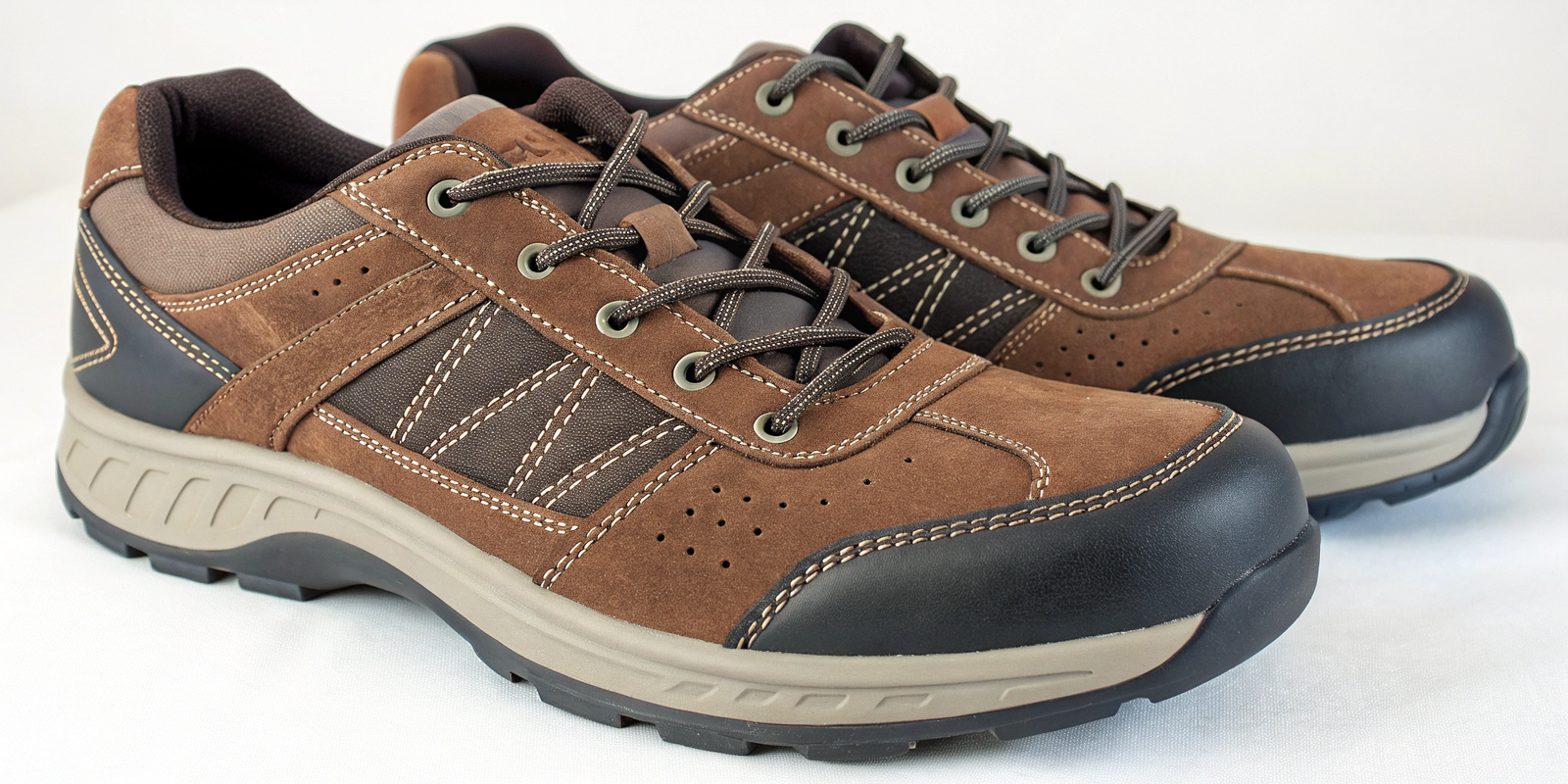
Key Features to Look for in Shoes for Flat Feet?
Have you ever felt overwhelmed by the sheer number of shoe options, unsure which specific features genuinely offer the support and stability your flat feet desperately need to avoid discomfort throughout the day? It’s not just about cushioning; it’s about targeted construction.
When selecting shoes for flat feet, prioritize features like substantial arch support that matches your foot's contour, a firm heel counter for stability, motion control technology to prevent overpronation, and a wide toe box. These elements provide essential structure and alignment, crucial for pain prevention and long-term foot health.
Here are the key features to look for in shoes for flat feet:
-
1. Robust Arch Support:
- Dive Deeper: For flat feet, the primary goal of arch support is not necessarily to "create" an arch, but to support the existing structure and prevent excessive pronation (when your foot rolls inward too much). Look for shoes with a built-in arch support that feels firm and contours to the unique curve of your foot, even if your arch is low. It should feel like it's gently cradling your foot, not pushing uncomfortably into your arch. If the built-in support isn't enough, consider shoes with removable insoles so you can swap them for custom orthotics or higher-quality over-the-counter arch supports, a feature many of our Lucas sneakers and casual shoes offer. The right support helps distribute pressure evenly across the foot, reducing strain on the arch and surrounding tendons.
- My Insight: This is absolutely critical. At Lucas, when we design sneakers, I always push for substantial arch support. It truly makes a noticeable difference for those with flatter feet, providing that often-missing piece for all-day comfort.
-
2. Firm Heel Counter:
- Dive Deeper: The heel counter is the stiff part at the back of the shoe that cups your heel. For flat feet, a firm heel counter is essential for stability. It prevents your heel from rocking excessively from side to side and helps control overpronation. To test for firmness, try to squeeze the heel counter on the shoe. If it collapses easily, it won't provide adequate support. A firm heel counter keeps your heel locked in place, maintaining proper foot alignment within the shoe. This stability is crucial for reducing strain not just on your feet, but also on your ankles, knees, and even your back, a design principle we integrate into many of our Lucas sports shoes and walking footwear.
- My Insight: This is a non-negotiable for me when suggesting shoes for flat feet. A flimsy heel counter is like building a house on sand – it just won't hold up. Our Lucas designs prioritize this structural integrity to ensure lasting support.
-
3. Motion Control or Stability Features:
- Dive Deeper: Many athletic and walking shoes incorporate specific technologies designed to control pronation. For flat feet, stability features are often a better choice than pure cushioning. Look for terms like "motion control" or "stability" in the shoe's description. These shoes often have firmer foam or dual-density foam on the inner side of the sole, which resists the inward rolling motion of the foot (overpronation). This helps keep your foot in a more neutral position throughout your gait cycle, reducing stress on the arches and preventing associated pain. Our Lucas sports shoes are specifically engineered with these advanced stability features to provide optimal support.
- My Insight: This is where engineering meets footwear. At Lucas, we work with advanced facilities and apply GRS certification principles to ensure our stability shoes are not just fashionable but functionally superior, offering true relief for overpronation.
-
4. Wide Toe Box:
- Dive Deeper: Flat feet often have a wider forefoot due to the collapsed arch. A narrow toe box can compress your toes, leading to pain, bunions, and hammertoes, especially after extended wear. Look for shoes with a naturally wide toe box that allows your toes to splay out comfortably without feeling cramped. Your toes should have enough room to wiggle freely. This prevents friction and discomfort, promoting better balance and overall foot health. A wide toe box ensures that your foot can move naturally within the shoe, which is critical for flat feet. This commitment to generous space is a consideration in many of our Lucas sneakers and casual styles.
- My Insight: My rule of thumb is always: happy toes, happy feet. At Lucas, we understand that comfort comes from respecting the natural shape of the foot, especially for those who need a bit more room up front.
-
5. Low Heel Drop:
- Dive Deeper: The "heel drop" refers to the height difference between the heel and the forefoot of the shoe. For flat feet, a lower heel drop (or zero drop in some cases) is often beneficial. A high heel drop can further shift weight onto the forefoot and accentuate pronation. Shoes with a lower heel drop promote a more natural foot strike and distribute weight more evenly, reducing pressure on the arch and forefoot. This can help re-engage the natural muscles of the foot and reduce strain on the Achilles tendon and calf muscles. This is a design element we consider carefully across our diverse range, from sports shoes to casual footwear, ensuring comfortable wear for different foot types.
- My Insight: It’s a subtle but important detail. At Lucas, we know that minute differences in design can have a big impact on comfort, especially for specific foot conditions. A lower heel drop is a small change making a big difference for flat feet.
Best Types of Shoes for Flat Feet?
Are you tired of guessing which shoe styles are actually good for your flat feet, constantly choosing between unflattering orthopedic options and stylish shoes that leave you in pain, wishing for clear guidance on the best types that offer both support and aesthetic appeal? You deserve both comfort and style.
The best types of shoes for flat feet typically include stability running shoes, supportive walking shoes, certain types of sneakers with robust arch support, and specific orthopedic-friendly casual or formal styles, all characterized by strong arch support, a firm heel counter, and often motion control features to ensure proper alignment and alleviate pain.
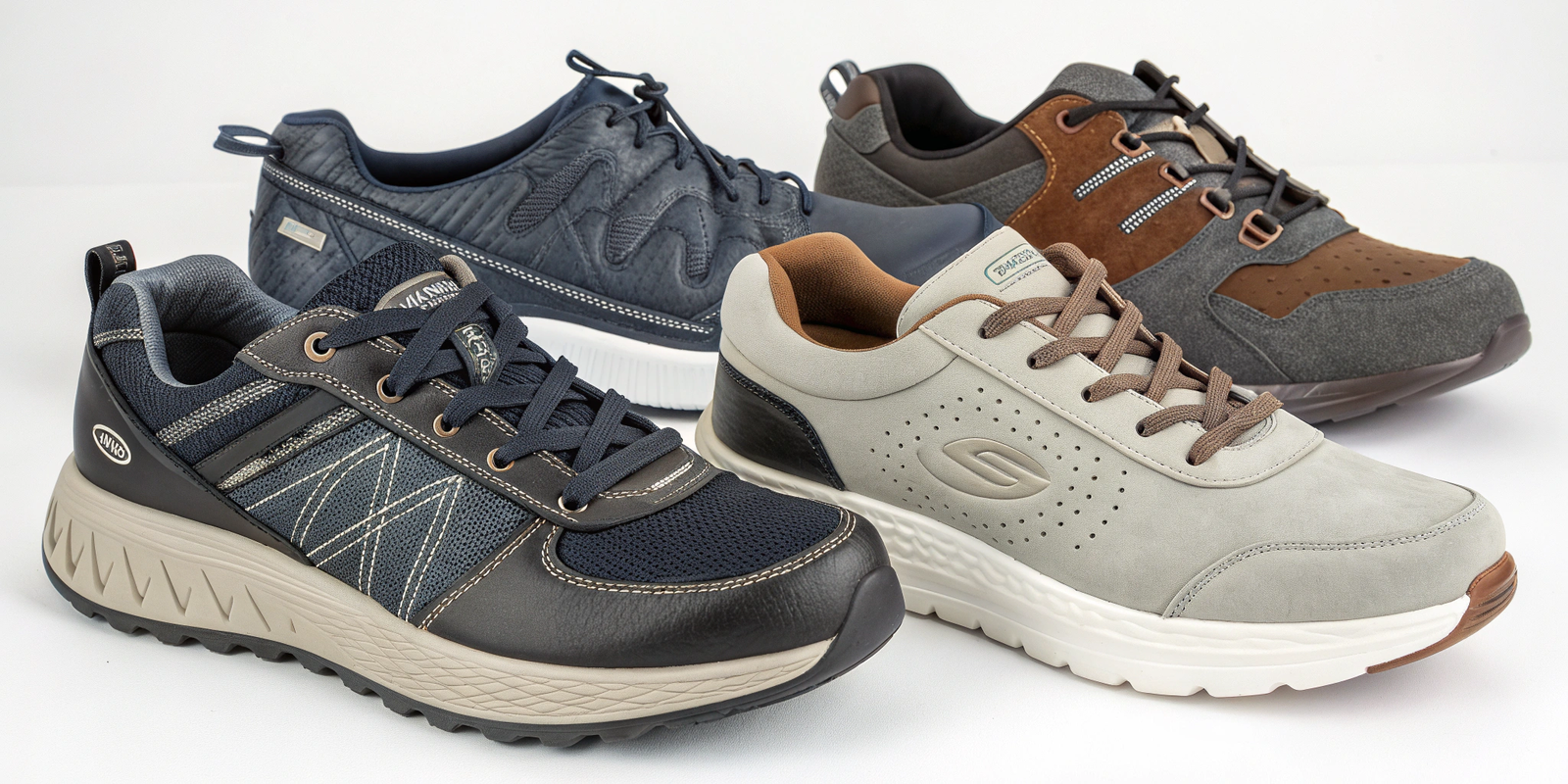
Here are the best types of shoes for flat feet:
-
1. Stability Running Shoes:
- Dive Deeper: Even if you're not a runner, stability running shoes are often excellent for everyday wear for people with flat feet. They are specifically engineered with features to control overpronation, such as medial posts or dual-density midsoles (firmer foam on the inside of the arch). They also tend to have substantial cushioning and firm heel counters. Brands like Brooks, Asics, Saucony, and New Balance offer a wide range of stability models. When trying them on, ensure the arch support feels comfortable and supportive without being overly aggressive. Our Lucas sports shoes are designed with similar principles, providing robust stability and comfort whether you're exercising or simply on your feet for long hours.
- My Insight: I often recommend stability running shoes as a starting point. They are built for high impact and long hours, which often translates to excellent everyday support for flat feet. We incorporate these design learnings into our own Lucas athletic lines.
-
2. Supportive Walking Shoes:
- Dive Deeper: Similar to stability running shoes, dedicated walking shoes are designed for prolonged standing and walking, making them ideal for flat feet. They typically feature good arch support, ample cushioning, and a stable base. Many walking shoes also incorporate a rocker sole design, which assists with the natural rolling motion of the foot, reducing strain on the arch. Look for models that emphasize comfort and support over minimalist design. They are perfect for daily errands, long walks, or jobs that require you to be on your feet all day. Our range of Lucas walking shoes focuses on combining these supportive properties with stylish aesthetics.
- My Insight: Comfort is key for walking, and our Lucas walking shoes are engineered for just that. This style is often overlooked but provides fantastic all-day support, addressing the core needs of flat feet.
-
3. Orthopedic-Friendly Casual Sneakers:
- Dive Deeper: Many fashion-forward sneaker brands now incorporate excellent arch support and stability features into their casual lines, recognizing the demand for both style and comfort. Look for brands that are known for their comfort technology or have options with removable insoles, allowing you to insert your custom orthotics if needed. The key is to avoid flat, minimalist sneakers that offer no support. Instead, choose sneakers with a structured midsole and a clear arch contour. Brands like Vionic, Birkenstock (their sneakers), or certain models from Ecco can be great choices. This growing market segment allows us at Lucas to design fashionable sneakers that don't compromise on the crucial support needed for flat feet.
- My Insight: It's refreshing to see the fashion industry embrace foot health. At Lucas, we are constantly innovating to bring stylish sneakers to market that truly support flat feet, proving that comfort doesn't have to mean sacrificing aesthetics.
-
4. Specific Athletic Sandals and Slides:
- Dive Deeper: While open-toed shoes can be tricky for flat feet, certain athletic sandals and slides are designed with excellent anatomical support. Look for options with contoured footbeds that provide prominent arch support, a deep heel cup, and adjustable straps to secure your foot. Brands like Birkenstock (their classic designs) or Vionic are renowned for their supportive sandals. Avoid completely flat flip-flops or slides, as these offer no support and can exacerbate flat foot pain. These supportive options from Lucas's sandal collections are perfect for warmer weather when you still need robust foot support.
- My Insight: I know many people struggle with sandals, but targeted designs exist. Our Lucas espadrilles and sandals often feature contoured footbeds because we believe warmer weather shouldn't mean sacrificing foot health, especially for flat feet.
-
5. Structured Loafers and Boots (with Orthotic Compatibility):
- Dive Deeper: For more formal or specialized needs, look for structured loafers or boots that have a stable sole, good cushioning, and crucially, removable insoles. This allows you to insert your own custom orthotics, which are often the best solution for flat feet in dressier shoes. Avoid soft, unconstructed materials that offer no support. Instead, opt for shoes with a firm sole and a well-defined structure. When trying on boots, ensure the shaft isn't too tight around the arch if you're adding an insole. Some brands specializing in comfort footwear also offer dressier styles that cater to flat feet. Our Lucas boots and structured footwear are often designed with removable insoles, ensuring versatile comfort.
- My Insight: This is crucial for professional settings. At Lucas, we design our boots and loafers with the understanding that many need to incorporate orthotics. It’s about not having to choose between looking professional and feeling comfortable.
Conclusion
For flat feet, prioritize shoes with robust arch support, a firm heel counter, and motion control features. Look for stability running shoes, supportive walking shoes, wide-toed sneakers, and orthotic-compatible structured loafers or boots to alleviate pain and ensure all-day comfort.