
The Evolution of Shoe Cushioning: From Foam to Advanced Polymers
Have you ever stopped to think about what makes your favorite sneakers so comfortable? It's a scientific marvel evolving beneath your feet.
Shoe cushioning is a critical component in modern footwear, designed to absorb impact forces generated during walking, running, and other activities, thereby protecting the body from excessive stress and enhancing comfort. It functions by deforming upon impact, dissipating energy rather than transferring it directly to the foot and joints, and then rebounding to provide some energy return for the next stride. The evolution of cushioning materials, from simple foams to advanced polymers and integrated air or gel systems, represents continuous research and innovation aimed at optimizing the delicate balance between shock absorption, responsiveness, durability, and weight to meet the diverse needs of athletes and everyday wearers alike.
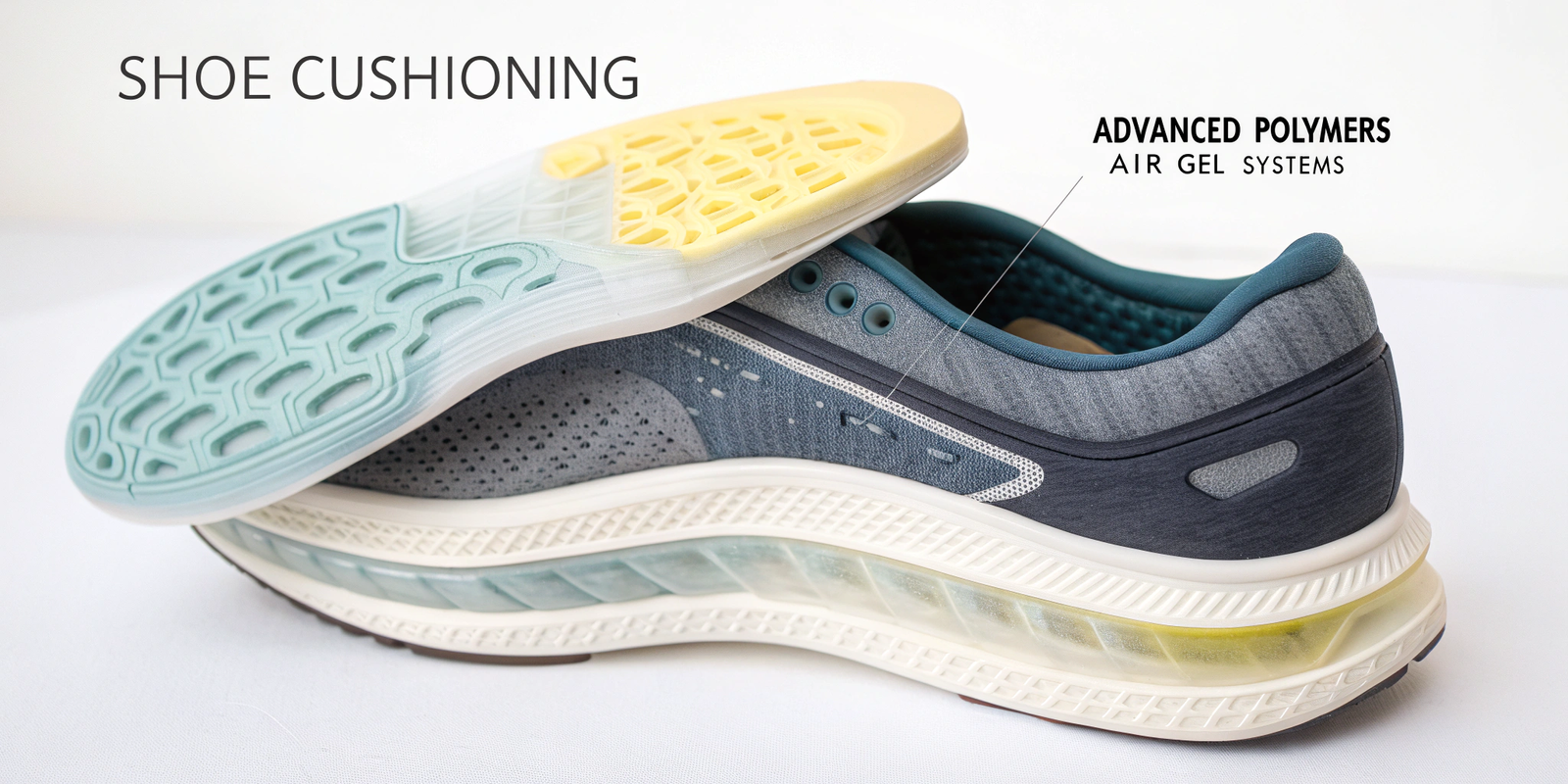 At Lucas, with over two decades in footwear manufacturing, I've had a front-row seat to this incredible journey. The quest for the perfect balance of comfort, performance, and durability in cushioning has driven countless innovations, making our shoes not just supportive, but truly a pleasure to wear.
Why is cushioning important for running and walking?
Every step you take, especially during high-impact activities, sends forces through your body. How do shoes help manage that?
Cushioning is profoundly important for running and walking because it acts as the primary shock absorber, managing the repetitive impact forces that occur with every foot strike. When you walk, the force exerted on your foot is typically 1-1.5 times your body weight, and during running, this can escalate to 2-3 times or more. Without adequate cushioning, these forces are transmitted directly through the foot, up the kinetic chain to the ankles, knees, hips, and spine. Over time, such constant, unmitigated impact can lead to overuse injuries like stress fractures, shin splints, plantar fasciitis, and joint pain or fatigue. Cushioning materials deform to absorb this energy, reducing the peak impact load on joints and muscles, thus enhancing comfort, reducing the risk of injury, and allowing for longer, more comfortable periods of activity.
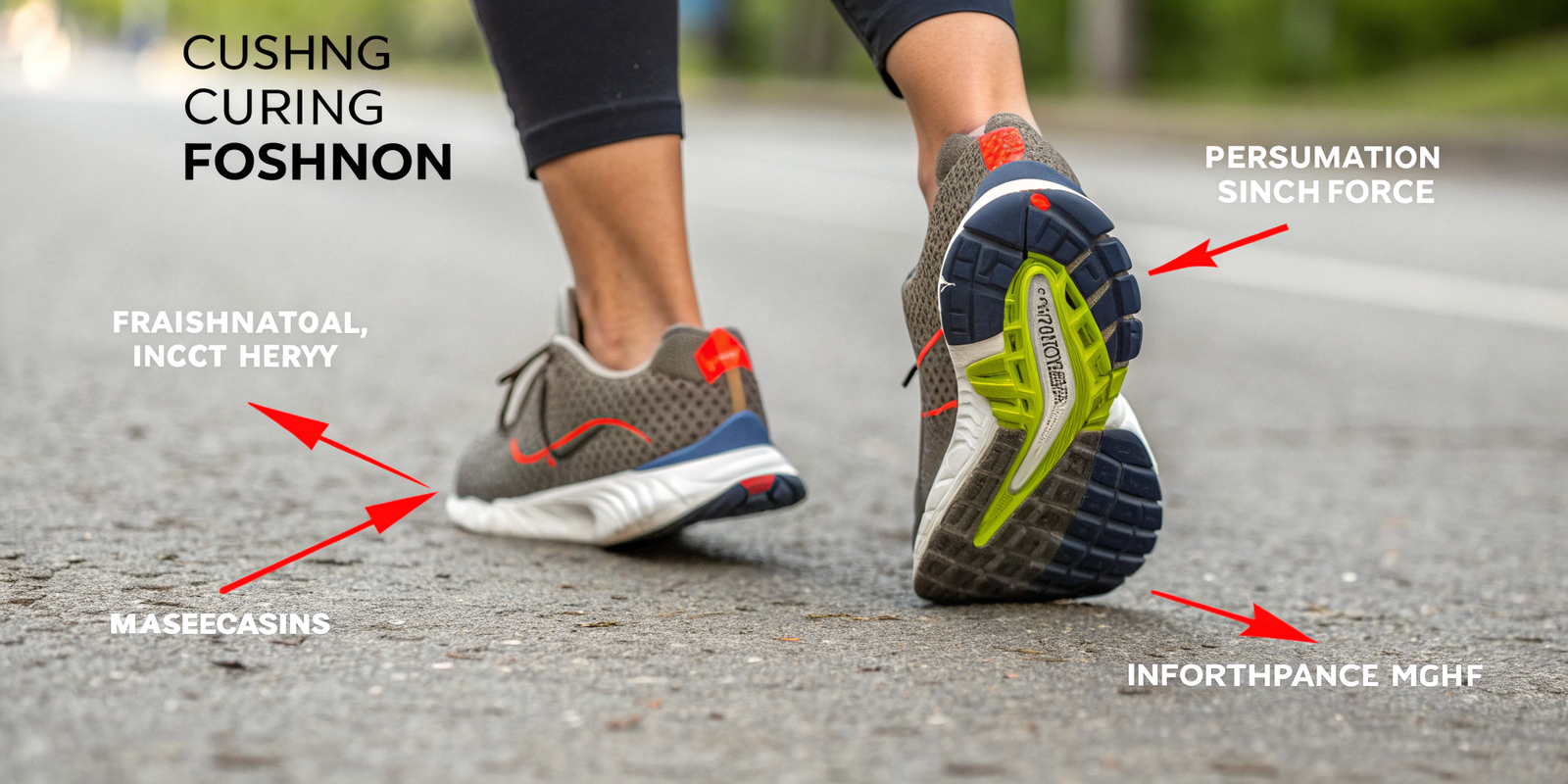 From my perspective in shoe manufacturing at Lucas, understanding body mechanics is key. Cushioning isn't just a comfort feature; it's a critical engineering component designed to protect and support the wearer, minimizing the wear and tear that millions of steps can inflict on the human body.
What is EVA, PU, TPU, and how are they used in shoes? You often hear these acronyms, but what do they actually mean for your feet? These are the unsung heroes of your shoe's comfort. EVA (Ethylene-Vinyl Acetate), PU (Polyurethane), and TPU (Thermoplastic Polyurethane) are the most common polymer-based materials used extensively in modern shoe cushioning, each with distinct properties that make them suitable for different applications. EVA is a lightweight, flexible, and soft foam that offers excellent shock absorption and cushioning, making it popular for entire midsoles in running and casual shoes due to its comfortable, springy feel. However, it can compress over time, losing some of its responsiveness. PU is denser, more durable, and offers more long-lasting cushioning and support than EVA, but it is also heavier and less flexible, often found in more supportive or stability-focused footwear, or in combination with other materials. TPU is a versatile, highly durable, and resilient material known for its excellent abrasion resistance, flexibility, and impressive energy return. It is often used in specialized cushioning units, stability elements, or as a protective layer in areas requiring high performance and longevity, such as in advanced running shoe foams (e.g., Adidas Boost which uses expanded TPU beads) or structural components like shank plates.
At Lucas, evaluating and selecting the right cushioning material is a critical part of our design process. It's about understanding the specific needs of a shoe, whether it's for lightweight flexibility, durable support, or maximum energy return, and then precisely matching the material to that function.
The Science of Comfort: A Deep Dive into Cushioning Materials
The world of shoe cushioning is a fascinating intersection of polymer chemistry, biomechanics, and engineering. The choice of material significantly dictates a shoe's performance characteristics—its softness, responsiveness, durability, and weight. Each material has its unique properties that designers leverage to create specific feels and functions for different types of footwear and activities.
-
EVA (Ethylene-Vinyl Acetate): The Everyday Comfort Champion EVA is by far the most commonly used cushioning material, forming the backbone of countless sneaker midsoles. It's a lightweight, soft, and flexible foam, made by expanding Ethylene-Vinyl Acetate pellets into a closed-cell foam. When you compress EVA, it absorbs the impact energy effectively, providing high initial shock absorption and that immediate "plush" feel. This makes it popular for entire midsoles in running, casual shoes, sneakers, and sandals due to its comfortable, springy feel. It offers excellent initial step-in comfort, is very lightweight, and cost-effective, making it widely accessible. However, the downside of EVA is that it can "pack out" or compress permanently over time, leading to a loss of responsiveness and cushioning ("packing out"). Its structure can degrade, reducing its effectiveness and requiring more frequent shoe replacement.
-
PU (Polyurethane): The Durable Workhorse Polyurethane (PU) is a denser, heavier, and generally more durable material compared to EVA. It's a denser polymer, often frothed into a foam or used as a solid elastomer. Because of its density, PU cushioning tends to be firmer, offering more stability and long-lasting cushioning and support. It is resistant to compression set, meaning it maintains its cushioning and responsiveness for a longer period. This material is primarily used in midsoles of walking shoes, work boots, stability shoes, some dress shoes, and orthotics. PU is very durable, maintains cushioning properties well over time, provides stable support, and is good for heavier loads and activities requiring sustained firmness. It offers reliable, consistent performance over extended use. However, it is heavier than EVA, less flexible and responsive initially, can feel firmer underfoot, and has less immediate bounce than fresh EVA or TPU. Its weight can be a drawback for high-performance athletic footwear where every gram counts.
-
TPU (Thermoplastic Polyurethane): The Energy Return Superstar Thermoplastic Polyurethane (TPU) is one of the more advanced polymers in shoe cushioning, often seen in high-performance athletic footwear. It's a highly elastic and durable elastomer, known for its high resilience, excellent energy return, and strong abrasion resistance. The magic of TPU lies in its exceptional energy return and resilience. When compressed, it immediately springs back to its original shape, giving a noticeable "bounce" or "push-off" sensation that can enhance performance. It's also highly resistant to temperature changes and abrasion, making it incredibly durable. TPU is used not only in advanced running shoe midsoles (e.g., Adidas Boost which uses expanded TPU beads) but also in support cages, stability plates, and protective overlays. It delivers high performance, consistent energy return, and extreme durability. While it offers superior energy return and very high durability, it is often more expensive to manufacture and can be denser than EVA. Specific expanded forms are often proprietary technologies, limiting widespread generic application, and its cost can raise the retail price of the footwear.
-
Rubber: The Ground Contact Specialist Rubber, whether natural or synthetic, is primarily used for shoe outsoles. It is a durable and tough material that provides excellent traction and abrasion resistance. While its primary role is not cushioning, some foamed rubber compounds or strategic rubber placements can contribute minimally to shock absorption. It is essential for providing reliable grip on various surfaces and protecting the sole from wear and tear. Rubber excels in providing grip and durability, making it crucial for outdoor and rugged footwear. However, it is generally heavy and offers limited inherent cushioning compared to dedicated foam materials, making it less versatile for full midsole construction.
-
Gel/Air Units: Targeted Impact Absorption These systems involve silicone-based gel or pressurized air encapsulated within durable plastic films. They are typically used as strategically placed inserts in the heel and/or forefoot areas of midsoles, rather than forming the entire cushioning system. Examples include Nike Air and ASICS GEL. They are designed for targeted cushioning, offering high shock absorption precisely where impact forces are greatest. These units can be very durable and provide consistent cushioning performance over time. While highly effective for localized shock absorption, they add complexity and cost to shoe construction, can be heavier than foam alone, and require precise placement for optimal effectiveness. They are also less flexible than pure foam midsoles.
As a manufacturer at Lucas, we constantly weigh the pros and cons of these materials, sometimes using them in combination within a single midsole to achieve a specific feel or performance objective. This allows us to fine-tune the user experience, ensuring that each shoe delivers on its promise of comfort, support, and durability.
Do cushioned shoes help with joint pain or fatigue?
If you suffer from joint pain or feel tired after being on your feet, can simply changing your shoes make a difference?
Yes, well-designed cushioned shoes frequently help alleviate joint pain and reduce fatigue, especially for individuals regularly engaged in high-impact activities or those with pre-existing joint conditions. By absorbing impact forces, cushioning directly reduces the stress transmitted to weight-bearing joints like the ankles, knees, hips, and lower spine, which can otherwise exacerbate conditions like arthritis, tendinitis, or general discomfort. This reduced stress means muscles don't have to work as hard to stabilize and absorb shock, leading to decreased muscle fatigue over longer periods. However, it's crucial that the cushioning is appropriate for the individual's foot type and activity level; excessive or overly soft cushioning can sometimes lead to instability or alter gait mechanics in ways that might create new issues. The most effective cushioned shoes balance shock absorption with sufficient stability and support to guide the foot through a healthy motion path, thereby providing genuine relief and comfort.
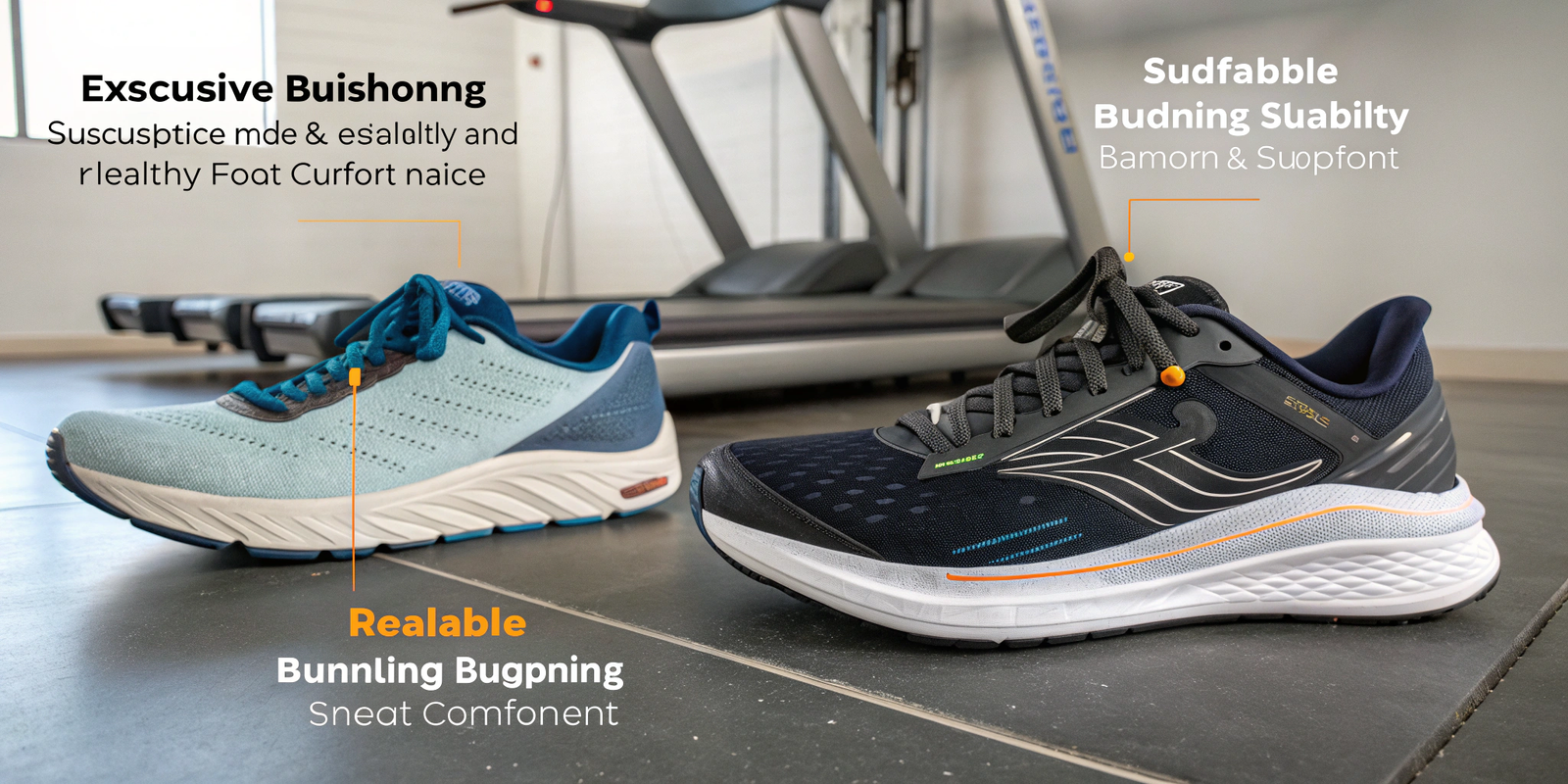 In my 26 years at Lucas, I've seen countless testaments to the power of proper cushioning. It’s not a cure-all, but for many, it's the difference between discomfort and active living. Providing that relief through thoughtful design is one of the most rewarding aspects of my work.
Which brands lead in cushioning technology? If cushioning is so vital, which brands are consistently pushing the boundaries of comfort and performance with their latest innovations? Several brands consistently lead the charge in cushioning technology, investing heavily in research and development to create proprietary materials and designs that push the boundaries of comfort and performance. Nike, with its iconic Air technology (pressurized air units) and more recently React foam, continues to innovate across its vast athletic and lifestyle collections. Adidas is highly recognized for its Boost technology, an expanded TPU foam that offers exceptional energy return and durability, along with newer foams like Lightstrike. Hoka One One revolutionized the running shoe industry with its maximalist approach, featuring impressively thick and soft midsoles designed for superior cushioning and protection over long distances. Brooks Running is renowned for its DNA Loft and BioMoGo DNA foams, focusing on adaptive cushioning that responds to a runner's unique stride. Lastly, companies like ASICS utilize their signature GEL technology for targeted shock absorption, strategically placed in high-impact areas. These brands lead by continuously refining existing materials and introducing new polymer blends and structural designs to achieve optimal damping, responsiveness, and longevity.
At Lucas, we draw inspiration from these industry leaders, constantly analyzing their advancements. Our aim is not just to replicate, but to understand the underlying principles of their success, allowing us to then integrate cutting-edge cushioning concepts into our own diverse range of footwear, ensuring our customers experience top-tier comfort and support.
Conclusion Shoe cushioning is essential for absorbing impact during activity, protecting joints, and reducing fatigue. Key materials like EVA, PU, and TPU offer distinct properties, chosen for their balance of weight, durability, and responsiveness. Well-designed cushioned shoes undoubtedly help with joint pain and fatigue, though proper fit is crucial. Brands like Nike, Adidas, Hoka, Brooks, and ASICS are at the forefront of this technological innovation, continually enhancing comfort and performance. At Lucas, we integrate these advancements, ensuring our footwear provides superior cushioning and support for every step.