
Do new shoes instantly fill you with dread, knowing that within an hour, painful blisters will inevitably form, making every step agony and forcing you to cut your day short? You're not alone in battling this common, frustrating problem that ruins the excitement of fresh footwear.
To stop shoes from giving you blisters, ensure a proper fit, gradually break them in, use targeted preventative measures like thick socks or anti-friction balms, and address potential hot spots with moleskin or bandages before any pain begins. These strategies collectively prevent friction and pressure that cause blisters.
Tips to Prevent Blisters Before Wearing New Shoes?
Have you ever excitedly bought a new pair of shoes, only to have that excitement quickly turn into regret and discomfort the moment you step out, leaving you wondering if there's anything you can do ahead of time to truly prepare your feet and footwear? Prevention is always better than cure.
To prevent blisters before wearing new shoes, thoroughly break them in at home, apply anti-friction balm to potential hot spots, ensure you're wearing the correct size and width, use moisture-wicking socks, and proactively apply moleskin or bandages to vulnerable areas. These steps reduce rubbing and pressure, crucial for avoiding painful blisters.
Here are tips to prevent blisters before wearing new shoes:
-
1. Break Them In Slowly:
- Dive Deeper: This is the golden rule for any new pair of shoes, especially rigid materials like leather or stiff synthetic uppers. Don't wear new shoes for an extended period or a special event right out of the box. Begin by wearing them around the house for short periods (e.g., 30 minutes to an hour) each day. Gradually increase the wear time. This allows the material to soften and conform to the unique shape of your foot, and it helps your foot adjust to the shoe's structure. Pay attention to any areas that feel tight or rub. If a specific area feels particularly snug or rigid, consider using a shoe stretcher or taking them to a cobbler for professional stretching. This gradual process is essential for our Lucas leather shoes, ensuring they mold perfectly to your feet.
- My Insight: This is a step I never skip, especially with a new pair of classic Lucas heels or leather boots. I tell everyone: "Your feet need to get to know your shoes, and your shoes need to get to know your feet." It's an investment in comfort.
-
2. Ensure the Right Fit:
- Dive Deeper: The vast majority of blisters are caused by shoes that either fit too tightly or are too loose.
- Too Tight: Shoes that are too tight will pinch and rub against your skin.
- Too Loose: Shoes that are too loose cause your foot to slide around inside, leading to friction.
- Proper Fit: When buying shoes, always try them on at the end of the day when your feet are slightly swollen. Ensure there's a thumb's width of space between your longest toe and the end of the shoe. Your heel should feel secure without slipping excessively, and the widest part of your foot should sit comfortably in the widest part of the shoe. If you're between sizes, sometimes going half a size up to accommodate thicker socks or insoles is better than being too tight. At Lucas, we emphasize precise sizing to ensure our products fit comfortably from the start.
- My Insight: I’ve seen countless customers try to squeeze into shoes that are too small or buy ones that are too big just because they like the style. But a bad fit guarantees blisters. At Lucas, we prioritize accurate sizing and encourage customers to measure their feet properly to avoid this common issue.
- Dive Deeper: The vast majority of blisters are caused by shoes that either fit too tightly or are too loose.
-
3. Use Anti-Friction Products:
- Dive Deeper: Proactive application of anti-friction products can create a protective barrier between your skin and the shoe, reducing rubbing.
- Balms/Sticks: Products like Body Glide or specialized anti-blister sticks can be applied directly to "hot spots" – areas prone to blisters like the back of the heel, sides of the toes, or ball of the foot. These create a slick surface that allows your skin to glide instead of rub.
- Powders: Foot powders can help keep your feet dry, especially if sweat contributes to friction.
- Invisible Sock Sprays: Some products aim to create an invisible barrier on your skin. Make these a routine part of your preparation, especially when wearing new shoes or going sockless in your Lucas ballerinas or sandals.
- My Insight: For me, anti-friction balm is an essential tool, like having a first-aid kit for your feet. I always carry a small stick in my bag, especially when I know I'll be walking a lot in new or dressier Lucas shoes.
- Dive Deeper: Proactive application of anti-friction products can create a protective barrier between your skin and the shoe, reducing rubbing.
-
4. Wear The Right Socks:
- Dive Deeper: Your choice of socks plays a significant role in blister prevention.
- Moisture-Wicking: Opt for socks made from wool or synthetic blends that wick moisture away from your skin. Cotton socks, while comfortable initially, tend to absorb and hold sweat, creating a damp environment that increases friction.
- Seamless Design: Socks with flat seams or no seams reduce potential rubbing points.
- Proper Thickness: Match sock thickness to your shoes. Thicker socks can provide extra cushioning and reduce friction in slightly larger shoes, while thinner moisture-wicking socks are better for snugger fits. Avoid overly thin or worn-out socks that offer no protection. When trying on new Lucas sports shoes or sneakers, always wear the type of sock you intend to wear with them.
- My Insight: It sounds simple, but the right sock can make or break a shoe-wearing experience. At Lucas, we often recommend pairing our sneakers with performance socks to maximize comfort and prevent issues.
- Dive Deeper: Your choice of socks plays a significant role in blister prevention.
-
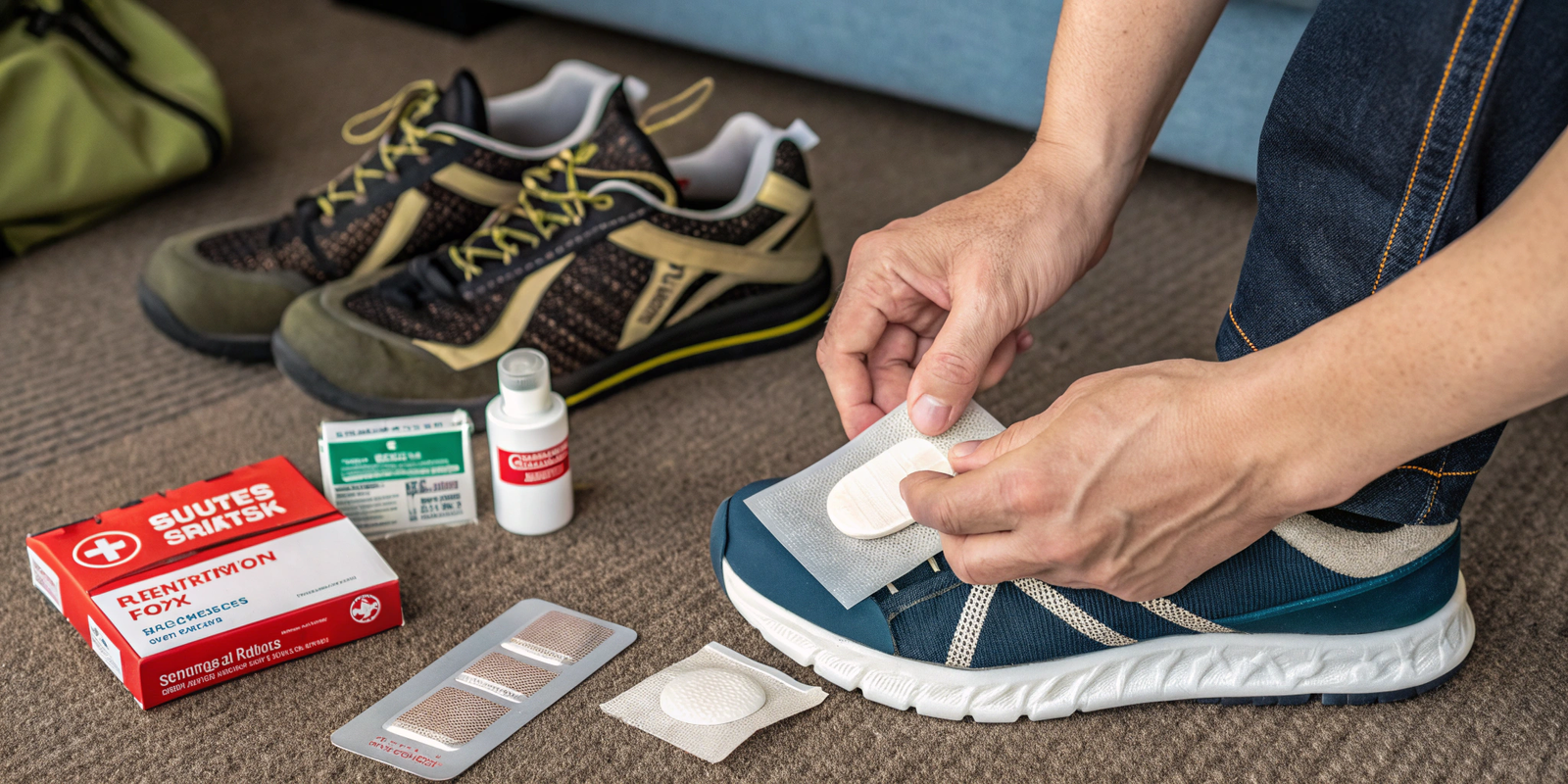
5. Tape or Pad Vulnerable Areas:
- Dive Deeper: If you frequently get blisters in specific spots, or if you feel a "hot spot" developing, proactively taping or padding the area before any pain emerges is a smart move.
- Moleskin: This soft, adhesive padding can be cut to size and applied to areas that rub. It creates a protective layer, cushioning the skin.
- Athletic Tape: Hypoallergenic athletic tape can be used to cover potential friction points.
- Blister Patches/Bandages: Specialized blister patches (often hydrocolloid) can be applied preventatively to areas you know are prone to blisters. These are thinner and blend well under shoes. Apply them smoothly to clean, dry skin before putting on your shoes. This small act of foresight can save you a lot of pain later, making your day in Lucas heels or new trainers much more enjoyable.
- My Insight: This is my go-to for any known problem spot. For instance, if a specific pair of Lucas sandals always rubs my pinky toe, I'll put a small piece of moleskin there before I even put them on. It’s preventive magic.
- Dive Deeper: If you frequently get blisters in specific spots, or if you feel a "hot spot" developing, proactively taping or padding the area before any pain emerges is a smart move.
Quick FAQs?
Do you still have lingering questions about blister prevention, feeling like you need quick, straightforward answers to common concerns about specific shoe types or immediate remedies? Here are some rapid responses.
Quick FAQs for blister prevention: Wearing thick socks during break-in helps stretch shoes; for going barefoot, use anti-friction balm and heel liners; alcohol or antiperspirant can help dry sweaty feet; and it's generally better to wait an hour after purchase before wearing new shoes to allow for any necessary adjustments. Always prioritize fit.
Here are quick FAQs:
-
1. Does wearing thick socks help stretch new shoes?
- Dive Deeper: Yes, this is a common and effective trick, especially for leather shoes. Wear your thickest socks with your new shoes around the house for short periods. The thickness of the socks will gently stretch the material, urging it to conform to your foot shape more quickly. This is particularly useful for areas that feel slightly tight. This method of gently expanding the interior space can make a real difference in the comfort of a new pair of Lucas boots or formal shoes.
- My Insight: I often suggest this trick, especially for our more structured Lucas leather shoes. It’s a gentle, natural way to accelerate the break-in process.
-
2. What about going barefoot in shoes like ballerinas or loafers?
- Dive Deeper: Going barefoot significantly increases the risk of blisters because there's no protective layer between your skin and the shoe. If you must go barefoot, ensure the shoes are perfectly broken in. Apply anti-friction balm liberally to all potential hot spots. Consider "no-show" socks or foot liners that are specifically designed to be invisible. These provide a barrier, absorb sweat, and reduce friction without being visible. For Lucas ballerinas or summer loafers, these invisible liners are highly recommended.
- My Insight: While our Lucas ballerinas are designed for comfort, I always recommend no-show socks or balm for barefoot wear. It’s a simple step to prevent discomfort.
-
3. Can foot sweat cause blisters, and how do I prevent it?
- Dive Deeper: Yes, moisture significantly increases friction, making blisters more likely. To prevent sweaty feet from causing blisters:
- Moisture-Wicking Socks: As mentioned, these are crucial.
- Antiperspirant: Apply antiperspirant directly to your feet, just like you would to your underarms. Let it dry completely before putting on socks and shoes. This reduces sweat production.
- Foot Powder: Use a moisture-absorbing foot powder to keep feet dry.
- Breathable Shoes: Choose shoes made from breathable materials like genuine leather or mesh, as many of our Lucas sneakers and espadrilles are.
- My Insight: Sweaty feet are a blister's best friend. I've personally found antiperspirant on my feet to be a game-changer, especially during warm weather or long market days in our Lucas sales showrooms.
- Dive Deeper: Yes, moisture significantly increases friction, making blisters more likely. To prevent sweaty feet from causing blisters:
-
4. Is it better to wear new shoes immediately or wait?
- Dive Deeper: It's almost always better to wait a little. Ideally, try new shoes on for a good hour after purchase to ensure they fit correctly and you don't feel any immediate rubbing or pressure points. If they feel good, start the slow break-in process as described above. Wearing them straight out of the store for a full day is a common mistake that often leads to blisters. The "wait and break-in" approach ensures your feet and new Lucas shoes can adjust to each other comfortably.
- My Insight: Patience is a virtue, especially with new footwear. I encourage customers to take our Lucas shoes home, try them on, and begin the break-in gently.
Conclusion
To prevent blisters, prioritize proper shoe fit, systematically break in new footwear, proactively apply anti-friction products, and utilize appropriate socks. These simple measures ensure comfort and confidence from your Lucas shoes.