
Are you tired of your beautiful leather heels getting unsightly scuffs and looking worn out after just a few wears? It's a common problem that can quickly diminish the elegance and longevity of your favorite shoes. To prevent scuffs on leather heels, consistent preventive care is key. Start by regularly conditioning the leather to keep it supple and resilient, making it less prone to marking. After conditioning, polish the heels with a good quality shoe polish that matches the leather color; this creates a protective barrier. When wearing, be mindful of your surroundings to avoid scraping, and consider adhesive heel protectors for high-risk areas. Proper storage also helps, keeping heels away from items that could cause accidental damage.
Conditioning and Polishing Do you often skip conditioning and polishing your leather heels, thinking it's just for looks or takes too much time? Neglecting these steps is a major reason why heels become prone to scuffs and look dull quickly. Regularly conditioning and polishing leather heels is essential for preventing scuffs and maintaining their appearance. Conditioning keeps the leather moisturized and flexible, preventing it from drying out, cracking, and becoming brittle—which makes it more resistant to surface abrasions. Polishing creates a protective wax layer that fills in microscopic pores, repels water, and provides a smooth, hard surface that can absorb minor impacts and reduce the visibility of small scratches, acting as a sacrificial layer against scuffs while also restoring shine and color depth.
The Power Duo: Conditioning and Polishing for Heel Protection
These aren't just cosmetic steps; they're vital for leather health and resilience.
-
1. The Role of Conditioning (Nourishment and Flexibility):
- What it does: Leather is animal skin, and just like our own skin, it needs moisture to stay healthy. Leather conditioners are absorbed into the fibers, replenishing lost natural oils.
- How it prevents scuffs:
- Increased Flexibility: Conditioned leather is supple and pliable. This means it has a better ability to flex and give slightly when it comes into contact with an object, rather than immediately developing a rigid, permanent crease or tear.
- Enhanced Resilience: Moisturised leather is stronger and more resilient. It's less likely to dry out, become brittle, or crack. Brittle leather is much more prone to tearing or showing deep scratches from even minor impacts.
- Surface Smoothness: A well-conditioned surface is smoother, which means it offers less friction to external objects, allowing minor brushes to glance off rather than dig in.
- My Insight: I often compare unconditioned leather to dry, chapped hands – they crack and break easily. Conditioned leather is like healthy, moisturized skin, much more capable of resisting everyday stresses.
- Frequency: Condition every 1-3 months, depending on wear and climate.
-
2. The Role of Polishing (Protection and Sacrificial Layer):
- What it does: Shoe polish, especially a good quality wax-based polish, builds a protective layer on the surface of the leather. It also fills in minor imperfections and restores color.
- How it prevents scuffs:
- Protective Barrier: The wax in the polish forms a hard, smooth coating over the leather. This layer acts as a physical barrier between the vulnerable leather and external objects. When a heel scrapes against something, the polish layer takes the brunt of the impact first.
- Sacrificial Layer: Essentially, the polish sacrifices itself. Rather than the leather getting scratched, the polish layer gets "scuffed" or rubbed off. This is a much easier and cheaper fix – you simply re-polish the area.
- Fills Minor Imperfections: Polish can fill in tiny existing nicks or pores in the leather, creating an even smoother surface that is less likely to catch on abrasive surfaces.
- Repels Moisture: Many polishes offer some water resistance, which further protects the leather from softening or swelling due to dampness, which could make it more susceptible to damage.
- My Experience: Time and again, I've seen customers bring back heels that, had they been regularly polished, would have only needed a quick touch-up instead of a more extensive repair.
- Frequency: Polish every 2-4 weeks, or as needed to maintain shine and protection.
-
3. The Conditioning and Polishing Process:
- Clean: First, thoroughly clean the heels to remove any dirt or debris. Use a damp cloth and mild soap if necessary, then let them dry completely.
- Condition: Apply a small amount of leather conditioner with a clean cloth, gently rubbing it into the leather in circular motions. Allow it to soak in for 5-10 minutes, then buff off any excess.
- Polish: Apply a thin, even coat of wax-based shoe polish (matching the leather color) with an applicator brush or cloth. Let it dry for a few minutes.
- Buff: Use a clean, soft polishing cloth or horsehair brush to buff the heels to a high shine. This evenly distributes the polish and hardens the protective layer.
By making conditioning and polishing a routine, you not only keep your leather heels looking impeccable but significantly reduce their susceptibility to scuffs and minor damage.
| Product Type | Primary Benefit for Scuff Prevention | Mechanism of Action | Application Frequency | Notes / Tips |
|---|---|---|---|---|
| Conditioner | Enhances Leather Resilience & Flexibility | Replenishes oils, prevents brittleness/cracking. Smoothens surface. | Every 1-3 months (or as needed) | Apply after cleaning, buff off excess. Choose quality balm/cream. |
| Shoe Polish | Creates Protective Sacrificial Layer | Forms wax coating, fills pores, repels minor impacts. | Every 2-4 weeks (or as needed) | Match color, apply thin even coats, buff to shine. |
| (Combined) | Comprehensive Protection | Leather is healthy, protected, and resilient. | Regular routine | Always condition BEFORE polishing. |
Quick Fixes for Minor Damage
Do you panic when you spot a minor scuff on your favorite leather heels, immediately thinking they're ruined? Small imperfections are inevitable, but many can be fixed quickly without needing professional help.
For quick fixes for minor damage on leather heels, assess the type of scuff first. For light surface scuffs on polished leather, often a simple buffing with a soft cloth can redistribute the polish and make the mark disappear. If buffing isn't enough, a dab of matching shoe polish can cover the scuff and restore color, followed by buffing. For deeper nicks, a leather repair balm or filler can be carefully applied to fill the void, then blended and polished to match the surrounding leather. Always work gently and in small increments.
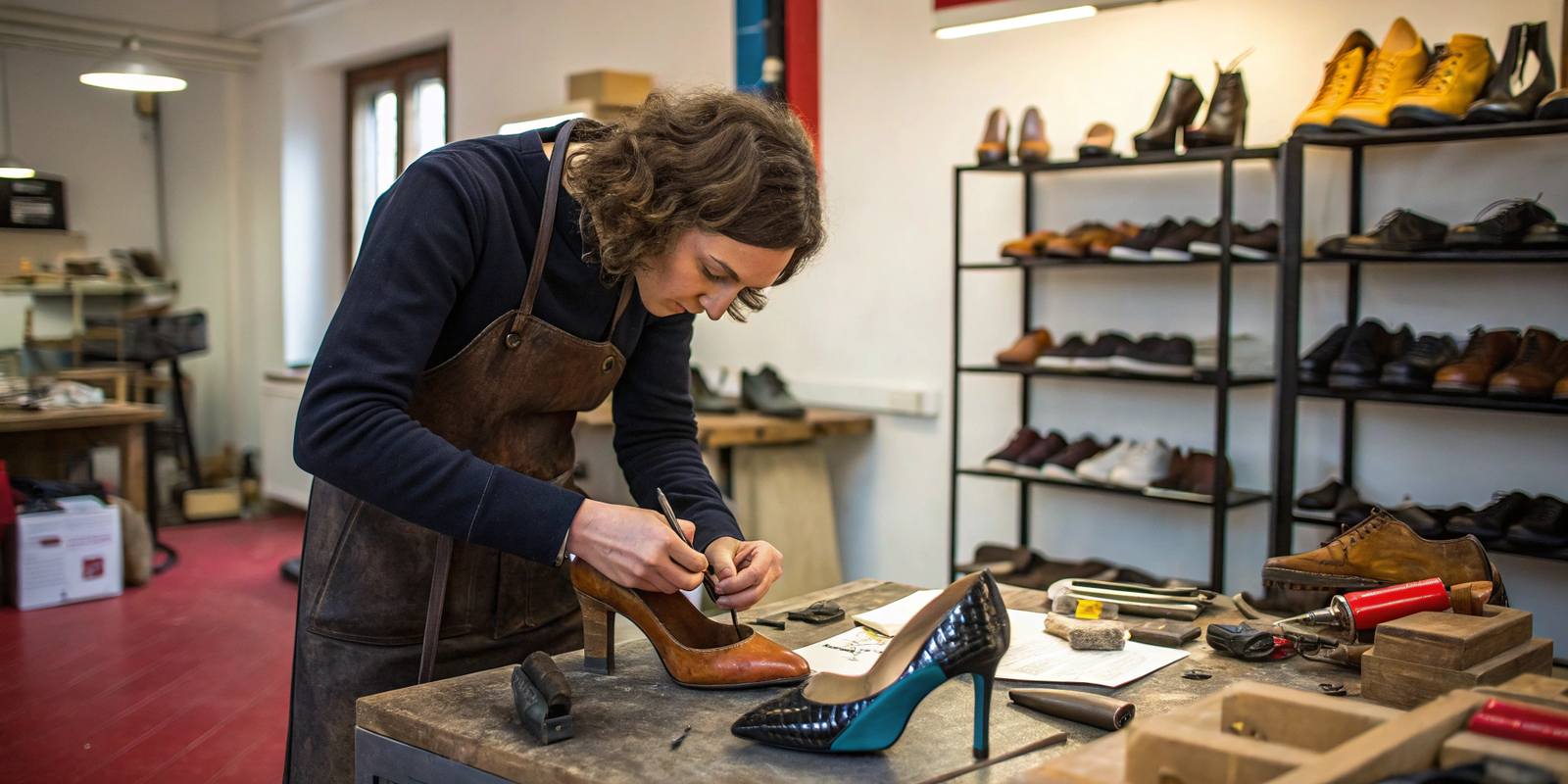 Working at Lucas has taught me that even the most meticulously cared-for shoes will inevitably encounter minor bumps. I've realized that knowing a few quick fixes can save you time, money, and the heartache of thinking your beloved heels are beyond repair.
Damage Control: Simple Solutions for Scuffed Heels
Dealing with minor damage immediately can prevent it from worsening and restore your heels' appearance.
- 1. The "Buff Away" Method (For Light Surface Scuffs on Polished Heels):
- When to use: This works best for very superficial scuffs where only the polish layer has been disturbed, not the leather itself.
- How to do it:
- Assess: Run your finger over the scuff. If it feels smooth and merely looks like a discoloration or a light streak, this method is likely to work.
- Buff Vigorously: Take a clean, soft polishing cloth (like an old cotton t-shirt or a microfiber cloth). Rub the scuffed area vigorously in small, circular motions. The friction generates heat, which can help melt and redistribute the existing polish, making the scuff disappear.
- Why it works: The polish acts as a sacrificial layer. Often, a "scuff" is just rubbed-off or displaced polish. Buffing can blend it back in.
- My experience: I've seen countless times how a quick, firm buff can make a light scuff vanish as if by magic, especially on well-polished shoes.
- 2. The "Polish Cover-Up" (For Deeper Scuffs & Color Loss):
- When to use: When buffing alone isn't enough, and there's a visible mark or slight color loss, indicating the polish layer is more significantly damaged or the leather itself has a very minor scratch.
- How to do it:
- Clean: Ensure the area is clean and dry.
- Apply Matching Polish: Take a small amount of shoe polish that perfectly matches the color of your heel leather. Use an applicator cloth or cotton swab to dab a tiny bit of polish directly onto the scuff.
- Blend: Gently rub the polish into the scuff, blending it outwards into the surrounding leather.
- Dry & Buff: Allow the polish to dry for a few minutes, then buff the entire area with a clean polishing cloth to restore shine and blend the repair seamlessly. Repeat if necessary for deeper scuffs.
- Why it works: The pigments in the polish cover the discoloration, and the wax component fills minor scratches, creating a smooth, even surface.
- My Tip: Always start with a tiny amount of polish. You can always add more, but it’s harder to remove excess.
- 3. The "Leather Repair Balm/Filler" (For Deeper Nicks & Gouges):
- When to use: For more significant nicks or small gouges where a piece of leather might be missing, or the damage is too deep for polish alone. This is approaching professional repair, but can be done carefully at home for minor instances.
- How to do it:
- Clean & Prepare: Clean the area thoroughly.
- Apply Filler: Using a very small applicator (like a toothpick or the edge of a plastic card), apply a tiny amount of leather repair balm or filler (ideally color-matched) into the nick. Don't overdo it.
- Smooth: Immediately smooth the filler flush with the surrounding leather surface using your finger or the edge of the card.
- Dry: Allow the filler to dry completely as per product instructions. This can take several hours.
- Sand (Optional, very gently): For an uneven finish, very gently use extremely fine-grit sandpaper (1200+ grit) to smooth just the filled area. Be incredibly cautious.
- Polish: Apply matching shoe polish over the repaired area and buff to blend.
- Why it works: The filler physically replaces the missing leather, and then polish helps it integrate visually with the original surface.
- My Insight: This method demands a steady hand and patience. It's a last resort for DIY, but effective for those annoying deeper nicks.
- 4. Use a Permanent Marker or Dye (For Tiny Specific Spots):
- When to use: For extremely small, pinpoint scuffs where color has been completely removed in a tiny spot, and you have a marker that perfectly matches the leather. This is a quick cosmetic fix.
- How to do it:
- Dab: Carefully dab the very tip of a permanent marker (or a specialized leather dye pen) directly onto the tiny scuff.
- Blot & Blend: Immediately blot with a clean cloth to absorb excess and help blend. Use polish over it if desired.
- Caveat: This is a risky method. A mismatch in color will be very noticeable. Test on an inconspicuous area first.
Remember, prompt action is key. A minor scuff addressed quickly is often a simple fix, whereas a neglected one can deepen or begin to peel, becoming much harder to repair.
| Damage Type | Quick Fix Method | Tools/Products | Steps | Notes / Risks |
|---|---|---|---|---|
| Light Surface Scuff | Buffing | Clean, soft polishing cloth. | Vigorously rub scuffed area in circular motions. | Only works if polish layer is disturbed, not leather itself. |
| Deeper Scuff / Color Loss | Polish Cover-Up | Matching shoe polish, applicator cloth, polishing cloth. | Clean area, apply small amount of polish, blend, dry, buff. | Can be repeated; ensure color match. |
| Minor Nick / Gouge | Leather Repair Balm/Filler | Repair balm/filler, toothpick/applicator, fine-grit sandpaper (optional), polishing cloth. | Clean, apply tiny filler, smooth, dry, (gently sand), polish. | Requires precision; risk of uneven texture; test color. |
| Tiny Pinpoint Color Loss | Permanent Marker / Leather Dye | Matching permanent marker or dye pen. | Dab directly on spot, blot, (optional: polish over). | High risk of color mismatch; use with extreme caution. |
Conclusion To quickly fix minor damage on leather heels, first attempt to buff light scuffs with a soft cloth. For deeper scuffs or color loss, apply matching shoe polish and buff it in. For small nicks, carefully use a leather repair balm, then blend and polish, always working gently to restore the heel's appearance.