
Do you ever find yourself admiring a stunning pair of high heels, only to hesitate at the thought of the inevitable pain and discomfort they bring after just a few hours, making you wish there was a secret to wearing them all day without suffering? You're not alone in wanting both style and comfort.
To make high heels comfortable for a full day, strategically use cushioned insoles and gel pads to alleviate pressure points, and employ specific walking and standing techniques that distribute weight more evenly, minimizing strain and enhancing endurance. These combined strategies help you enjoy your heels longer without pain.
Use Cushioned Insoles and Gel Pads?
Do your feet ache and burn after just a short time in heels, making you question why you ever put them on, and you're wondering if there's a simple, immediate solution to soften the impact and provide some relief? The right cushioning can make a world of difference.
Cushioned insoles and gel pads effectively make high heels comfortable by providing targeted support and shock absorption to critical areas like the ball of the foot, arches, and heels. This reduces pressure, prevents rubbing, and adds a layer of softness, significantly enhancing comfort for extended wear.
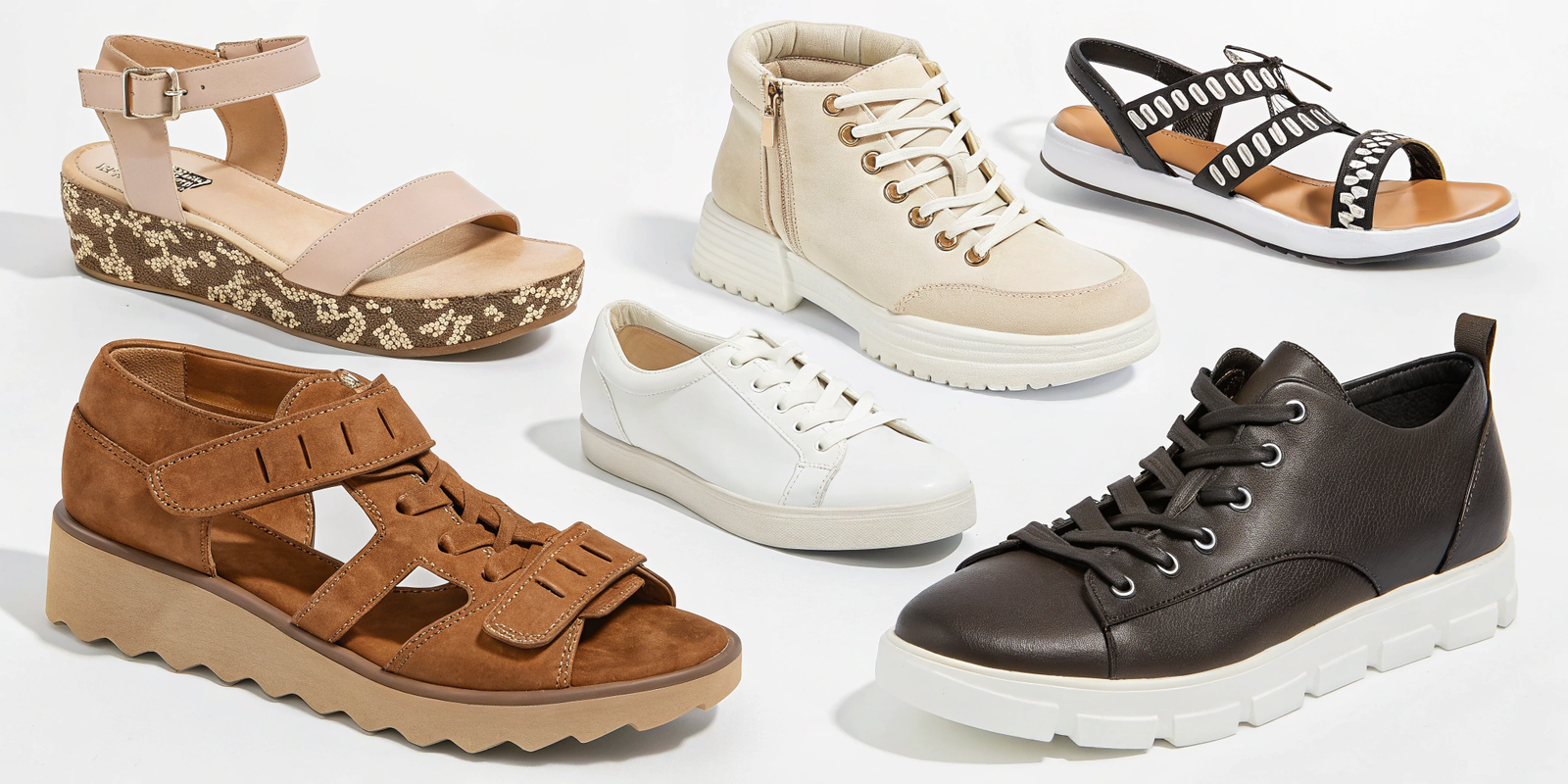
Here's how to properly use cushioned insoles and gel pads:
-
1. Address Key Pressure Points:
- Dive Deeper: High heels naturally shift your body weight forward, putting immense pressure on the ball of your foot. This is often where most of the discomfort and pain arise. Strategically placed cushioning can counteract this.
- Ball-of-Foot Pads: These are essential. They typically come as small gel or foam cushions that fit directly under the metatarsal area (the ball of your foot). They absorb shock, reduce friction, and provide a soft barrier against the shoe's sole. Look for options made from silicone or poron for maximum durability and cushioning.
- Arch Supports: If you have high arches, some heels might lack adequate arch support, leading to pain. Slim arch supports can be added to provide that crucial lift and stability, preventing foot fatigue.
- Heel Grips/Cushions: These are useful if your heel slips or rubs, causing blisters, or if the heel cup itself feels too hard. Small gel or foam inserts can be placed at the back of the heel to secure your foot and add cushioning. By targeting these specific pressure zones, you can significantly reduce discomfort and extend your wear time in our stylish Lucas heels.
- My Insight: I can't stress enough the importance of these little lifesavers. For a long day at a trade show, even in our most comfortable Lucas heels, I always add a good ball-of-foot pad. It makes such a difference in how I feel at the end of the day.
- Dive Deeper: High heels naturally shift your body weight forward, putting immense pressure on the ball of your foot. This is often where most of the discomfort and pain arise. Strategically placed cushioning can counteract this.
-
2. Choose the Right Type of Material and Thickness:
- Dive Deeper: Not all inserts are created equal. The material and thickness play a crucial role in effectiveness and how well they fit into your shoes.
- Silicone/Gel: Excellent for shock absorption and provide a soft, squishy feel. They're often thin enough not to crowd your shoe. Ideal for ball-of-foot pads and heel cushions.
- Foam/Poron: These materials offer durable cushioning that doesn't compress as easily as cheaper foams. They can provide more structural support and are suitable for full insoles or arch supports if space allows.
- Leather/Suede: While not as cushioned, these can be used for heel grips or lining to prevent slipping and add a touch of luxury.
- Thickness Matters: Always consider the space inside your shoe. If your heels are already snug, opt for ultra-thin gel pads. If there's a little wiggle room, a slightly thicker foam insert might work. You don't want to make the shoe too tight, as that can create new pressure points and discomfort. Our Lucas heels are often designed with interior cushioning, but personalized additions depend on foot shape and specific needs.
- My Insight: It's a delicate balance. Too thick, and your toes are squished; too thin, and it's ineffective. At Lucas, we consider the internal volume of a shoe during design, but every foot is different. I've found experimenting with different materials helps find the perfect match.
- Dive Deeper: Not all inserts are created equal. The material and thickness play a crucial role in effectiveness and how well they fit into your shoes.
-
3. Placement is Key:
- Dive Deeper: Correct placement ensures maximum benefit and prevents new problems.
- Test Fit: Before permanently sticking down any adhesive pads, place them loosely in your shoe and try them on. Walk around a bit to ensure they are in the exact spot where you feel the most relief and don't cause any new rubbing or discomfort.
- Clean Surface: Ensure the inside of your shoe is clean and dry before applying adhesive pads. This ensures they stick properly and don't shift around while you're walking.
- Adjust as Needed: Don't be afraid to reposition or even trim pads if necessary. Many pads come with outlines for custom sizing. The goal is a seamless, comfortable fit that feels natural. The precision of placement can truly transform your experience with even the most elegant Lucas heels.
- My Insight: This is like tailoring a garment. A millimetre off can make all the difference. I always advise our customers to take their time with placement to really optimize their comfort in any of our Lucas heels.
- Dive Deeper: Correct placement ensures maximum benefit and prevents new problems.
Tips for Walking and Standing?
Do you find that despite cushioning, wearing high heels still feels unnatural and causes strain, leaving you to wonder if there’s a better way to move your body to minimize discomfort and maximize your poise? How you use your body in heels is just as crucial as what’s inside them.
Effective walking and standing techniques for high heels involve taking shorter strides, landing heel-first then rolling through the foot, engaging core muscles for balance, and shifting weight strategically while standing. These methods reduce impact, improve stability, and distribute pressure, significantly enhancing comfort for extended wear.
Here are practical tips for walking and standing in high heels:
-
1. Change Your Walk:
- Dive Deeper: Walking in flats is vastly different from walking in heels. You need to adjust your natural gait to reduce strain.
- Shorter Strides: Resist the urge to take long, sweeping steps. High heels naturally shorten your stride; fighting this leads to instability and strain. Take shorter, more deliberate steps.
- Heel-to-Toe Roll: Unlike flats where you might land on your whole foot, with heels, consciously land with your heel first, then gently roll through the arch to the ball of your foot, and finally push off with your toes. This smooth motion helps distribute your weight and makes each step feel more natural and less jarring.
- Walk in a Straight Line: Imagine an invisible line in front of you and place one foot directly in front of the other. This helps with balance and often creates a more graceful, confident walk. This technique, when mastered, can make walking in our elegant Lucas heels appear effortlessly chic.
- My Insight: I’ve practically lived in heels at trade shows and fashion events. The heel-to-toe roll is my secret weapon. It feels awkward at first, but with practice, it becomes second nature and significantly reduces fatigue, even in our highest Lucas heels.
- Dive Deeper: Walking in flats is vastly different from walking in heels. You need to adjust your natural gait to reduce strain.
-
2. Engage Your Core and Posture:
- Dive Deeper: Good posture is paramount when wearing heels, not just for elegance but for structural support.
- Stand Tall: Imagine a string pulling you up from the crown of your head. Keep your shoulders back and down, and your head held high.
- Tighten Your Core: Engaging your abdominal muscles helps stabilize your pelvis and spine, providing crucial support that takes pressure off your lower back and knees, which often bear the brunt of bad heel posture. A strong core enhances your balance and allows for a more controlled, confident movement, whether you're in our striking Lucas heels or sophisticated boots.
- Slight Bend in Knees: Avoid locking your knees. A very slight, almost imperceptible bend allows for fluid movement and absorbs shock better than stiff legs.
- My Insight: It's amazing how much difference good posture makes. At Lucas, we believe our shoes should empower you, and proper posture allows you to carry yourself with the confidence our designs aim to inspire. It’s not just about looking good, it's about feeling strong and balanced.
- Dive Deeper: Good posture is paramount when wearing heels, not just for elegance but for structural support.
-
3. Master the Art of Standing:
- Dive Deeper: Standing still in heels can be just as painful as walking if not done correctly.
- Shift Weight: Don't stand with your weight evenly distributed on both feet for extended periods. Instead, subtly shift your weight from one foot to the other, giving each foot a brief rest. You can also slightly lift one heel and rest your toe, then switch, to alleviate continuous pressure on the ball of the foot.
- Rest When Possible: If you know you'll be standing for a long time, find discreet opportunities to sit down for a few minutes. Even short breaks can refresh your feet significantly.
- Foot Exercises: Flex and point your feet, wiggle your toes, and do ankle rotations whenever you get a break. This improves circulation and reduces stiffness, preparing you for more time in your Lucas heels.
- My Insight: This is learned wisdom from years in the industry. At our factories, we prioritize ergonomic design for our workers, and this same principle applies to wearing heels. Subtle weight shifts are my personal trick for enduring long standing events.
- Dive Deeper: Standing still in heels can be just as painful as walking if not done correctly.
-
4. Break In New Heels Slowly:
- Dive Deeper: Never wear a brand-new pair of heels for a full day without prior break-in.
- Gradual Wear: Wear them around the house for short periods, gradually increasing the time. This allows the shoe materials to soften and conform to your foot, and your feet to get accustomed to the shoe’s specific fit and height.
- Stretch If Needed: If certain spots feel tight, use shoe stretchers or take them to a cobbler for professional stretching. This is particularly important for our Lucas leather heels, as leather can mold beautifully with gentle encouragement.
- Thick Socks Trick: Wear thick socks with your new heels around the house to gently stretch them out. This can significantly reduce initial discomfort.
- My Insight: This is a crucial step I always advise for our customers. Even our highest quality Lucas heels need a proper introduction to your feet. Patience here prevents painful regrets later.
- Dive Deeper: Never wear a brand-new pair of heels for a full day without prior break-in.
Conclusion
To make high heels comfortable all day, use targeted cushioned insoles, practice proper heel-to-toe walking techniques, maintain good posture, and strategically shift weight when standing. These steps ensure confidence and comfort from your Lucas footwear.