
Are you tired of buying shoes that pinch, rub, or just don't feel right, even if they're supposedly your "size"? Finding the perfect fit is more an art than a science.
Choosing the right shoe size goes beyond just the number on the box; it involves understanding your unique foot shape, measuring accurately, and trying on shoes properly. The key is to prioritize comfort over arbitrary sizing, ensuring there's adequate space for your toes, no heel slippage, and a snug but not tight fit around the midfoot. This approach guarantees shoes that support foot health and provide all-day comfort, whether you're walking, running, or just going about your day.
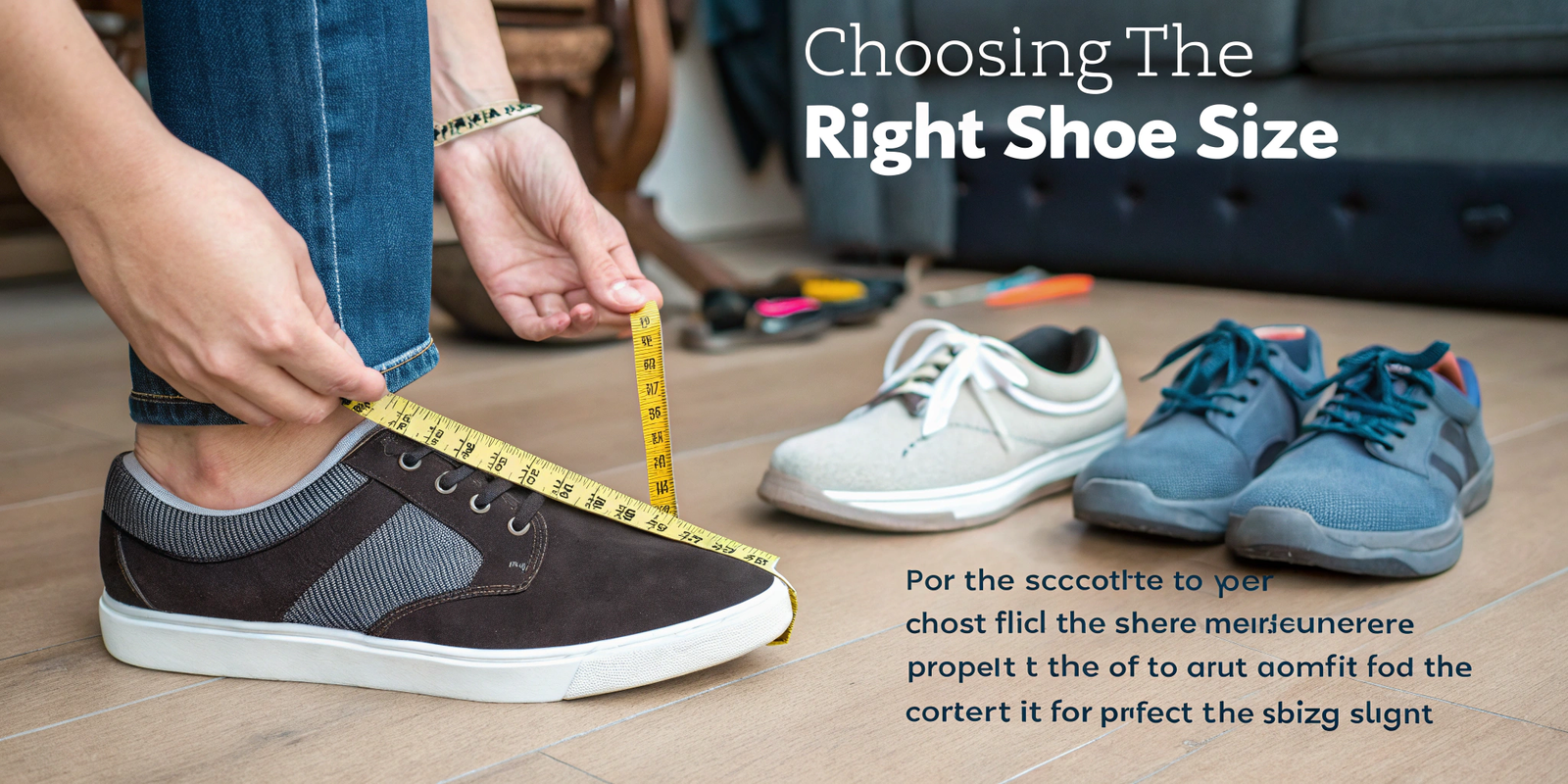 Having designed and manufactured shoes for decades at Lucas, I've seen firsthand that a shoe's "size" is only one piece of the puzzle. The way a shoe is constructed and how your foot interacts with it are far more important than a label alone.
Know Your Foot Shape and Needs Are you aware that your feet are as unique as your fingerprints, and off-the-rack sizing often overlooks these crucial differences? Understanding your foot's specific characteristics is the first step towards true comfort. To choose the right shoe size effectively, you must first know your foot shape and individual needs, which involves identifying whether you have high or low arches, a wide or narrow forefoot, a high or low instep, and any specific orthopedic concerns. This knowledge guides you away from shoes that will cause discomfort or potential injuries and towards styles and brands that naturally accommodate your foot's anatomy, ensuring a comfortable and supportive fit from the start rather than relying solely on a generic size.
Understanding Your Unique Foot Blueprint
Before you even step into a shoe store (or click "add to cart"), you need to become an expert on your own feet. Here's what to look for:
- 1. Measure Your Feet Accurately:
- Length: Use a Brannock Device (found in most shoe stores) or a simple ruler. Stand with your heel against a wall and measure to the longest toe. Importantly, measure both feet, and use the larger measurement. Feet are rarely perfectly symmetrical.
- Width: The Brannock Device also measures width. If using a ruler, measure the widest part of your foot (across the ball).
- Timing: Measure your feet at the end of the day when they are typically at their largest due to swelling.
- 2. Identify Your Arch Type:
- How to check: Wet your foot and step onto a piece of paper or cardboard.
- Flat Arch (Pronated): You'll see almost the entire sole of your foot print. These feet often need motion control and stability shoes with good arch support.
- Normal Arch: You'll see about half of your arch filled in. These feet are generally biomechanically efficient and can wear a variety of shoes.
- High Arch (Supinated): You'll see only your heel, the ball of your foot, and a very thin line connecting them. These feet often need extra cushioning and flexibility to absorb shock.
- 3. Forefoot Shape:
- Pointed/Tapered: The longest toe is typically the big toe, and the toes taper sharply.
- Square/Blunt: All toes are relatively the same length.
- Greek/Morton's Toe: The second toe is longer than the big toe.
- Your forefoot shape dictates the toe box shape you need. Pointed shoes are uncomfortable for blunt or Greek toes.
- 4. Instep Height:
- High Instep: The top part of your foot (where your laces are) is particularly raised. This can make some shoes tight across the top of the foot and require wider openings or specific lacing techniques.
- Low Instep: Your foot top is relatively flat. Standard lacing usually works well.
- 5. Any Specific Foot Conditions:
- Bunions: A bony bump at the base of the big toe. You'll need shoes with a wide, soft, seamless toe box.
- Hammertoes: Bent toes. Requires extra depth or flexible materials in the toe box.
- Plantar Fasciitis: Heel pain. Often benefits from shoes with good arch support and cushioning in the heel.
- Neuropathy: Nerve damage (common in diabetics). Requires extra cushioning, seamless interiors, and careful monitoring for pressure points.
- 6. Consider Activity:
- Running/Walking: Requires different support, cushioning, and flexibility than dress shoes.
- Work/Standing All Day: Prioritize cushioning, arch support, and breathability.
- Fashion/Occasion: While style is key, don't sacrifice basic comfortable fit for extreme trends.
Taking the time to understand these aspects of your feet will significantly reduce the trial-and-error process of shoe shopping. It’s like knowing the ingredients before you bake – you’ll get better results.
| Foot Characteristic | How to Identify | Shoe Implications (Needs) |
|---|---|---|
| Length & Width | Brannock device, ruler (both feet, end of day). | Ensure adequate toe room (thumb's width), no pinching. |
| Arch Type | Wet foot test (flat, normal, high). | Flat: stability/motion control shoes. High: cushioning/flexibility. |
| Forefoot Shape | Visual inspection (tapered, square, Greek). | Match toe box shape to avoid pressure points and cramped toes. |
| Instep Height | Visual inspection (high, low). | High: wider openings, specific lacing. Low: standard fit. |
| Specific Conditions | Doctor's diagnosis, self-awareness (bunions, etc.). | Wide, soft, seamless toe boxes; extra depth; specific support. |
| Activity Level | Daily use (walking, running, work, fashion). | Choose shoes designed for the specific activity's demands. |
Test Shoes Before Buying
Are you in the habit of just trying on one shoe and walking a few steps before deciding? That's a rookie mistake when it comes to finding truly comfortable footwear.
To choose the right shoe size and ensure ultimate comfort, you must rigorously test shoes before buying them using a comprehensive routine: trying both shoes on, wearing the socks you'll typically use, walking around the store for several minutes, and paying close attention to every part of your foot—from the toes to the heel. This includes checking for heel slippage, sufficient toe room, and any pressure points, as feet expand throughout the day and with activity. This thorough testing helps prevent uncomfortable surprises later.
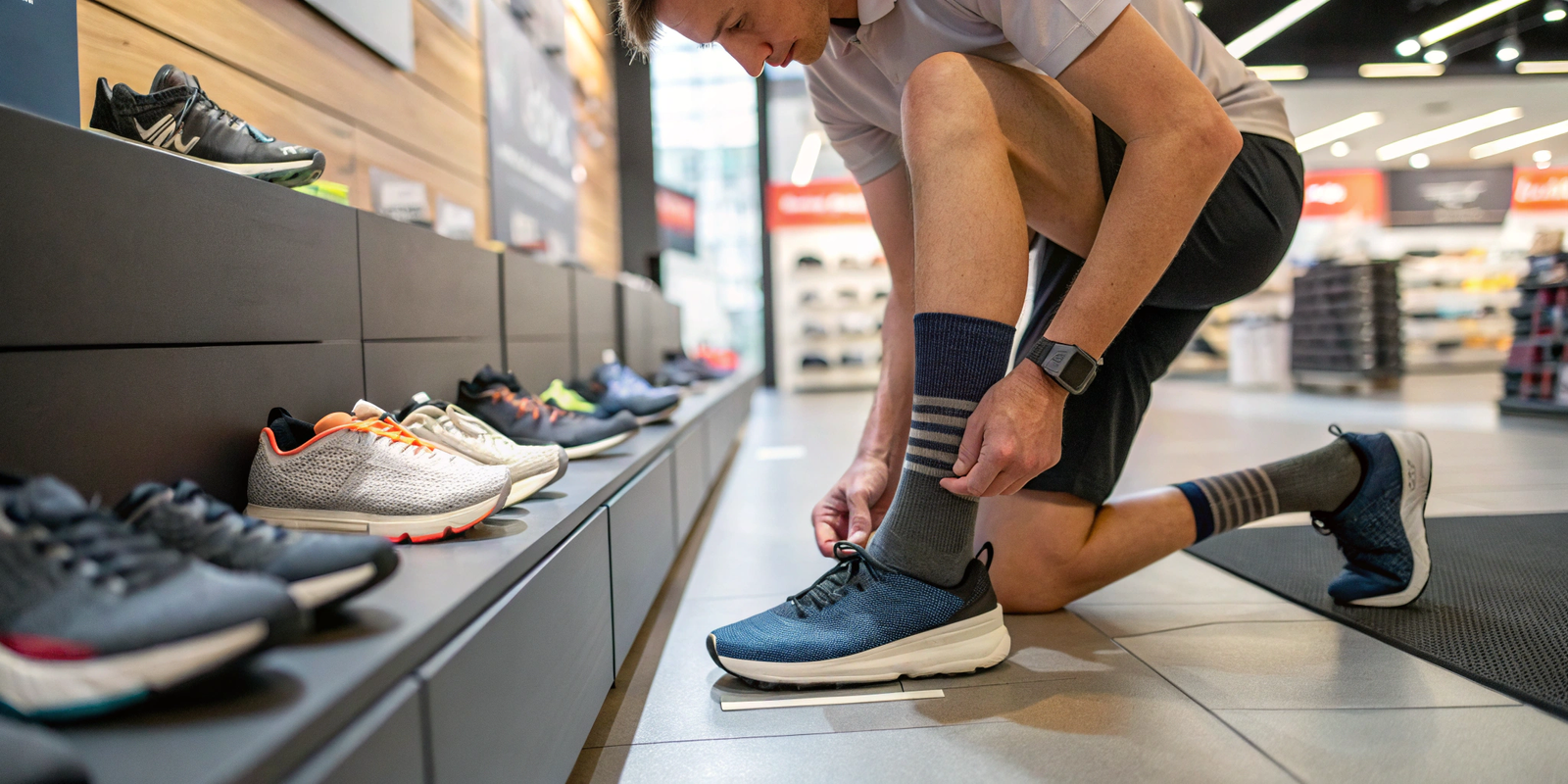
The Ultimate In-Store Shoe Fit Test
Once you've done your homework on your foot shape, it's time to put shoes to the ultimate test. Don't skip these steps:
- 1. Timing is Everything:
- When to shop: Always shop for shoes in the afternoon or evening. Your feet swell naturally throughout the day, and they'll be at their largest then. This ensures that a shoe that fits at 5 PM will still be comfortable in the morning.
- 2. Come Prepared:
- Socks: Wear the type of socks you typically wear with the shoes you're buying (e.g., thick athletic socks for sneakers, thin dress socks for formal shoes). The thickness of your socks profoundly impacts fit.
- Orthotics/Inserts: If you use custom orthotics or special inserts, bring them and try them inside the shoes you're considering.
- 3. Try On Both Shoes:
- Your feet are likely different sizes. Always try on both shoes. Fit them to your larger foot.
- 4. Walk Around, Not Just a Few Steps:
- Walk around the store for several minutes on a hard surface. Don't just stand or take a couple of steps on carpet. A real walk will reveal how the shoe moves with your foot.
- 5. The Toe Test:
- Length: There should be about a thumb's width (1/2 inch) between your longest toe (which might be your second toe!) and the end of the shoe. This allows for natural foot splay and prevents toe banging.
- Wiggle Room: You should be able to comfortably wiggle all your toes. If your toes feel cramped or squeezed together, the shoe is too small or too narrow in the toe box.
- 6. The Heel Check:
- No Slippage: Your heel should feel secure in the heel cup with minimal to no slippage when you walk. A slight lift is sometimes acceptable in athletic shoes (1/8 to 1/4 inch) but too much means friction and blisters.
- No Pinching: The heel shouldn't dig into your Achilles tendon or pinch the sides of your heel.
- 7. The Midfoot/Instep Check:
- Snug, Not Tight: The shoe should feel snug and secure around the arch and instep (the top of your foot), but not tight or constrictive. You shouldn't feel any painful pressure points.
- Lace/Strap Adjustment: If the shoe has laces or straps, adjust them. They should hold your foot securely without causing discomfort or excessive pressure.
- 8. Trust Your Gut (and Your Feet):
- If a shoe doesn't feel right immediately, it's probably not the right shoe. Don't buy a shoe hoping it will "stretch out" or "break in" – especially if it's uncomfortable at first. Minor stretching can happen, but significant discomfort is a red flag.
- 9. Consider Your Activity:
- If buying running shoes, try to do a short jog in the store. For hiking boots, simulate walking on an incline or descent if possible.
By following these detailed steps, you elevate your shoe buying from a guessing game to an informed decision. This meticulous process is what we aim to support at Lucas by striving for consistent sizing and thoughtful designs that accommodate diverse foot needs.
| Fit Test Area | What to Look For (Comfort & Function) | Red Flags (Don't Buy) |
|---|---|---|
| Timing | Shop in the afternoon/evening. | Shopping in the morning (feet at smallest). |
| Preparation | Wear appropriate socks/orthotics. | Trying on barefoot or with wrong socks. |
| Overall Feel | Comfortable immediately; no pressure points; natural movement. | Pinches, rubs, too tight, too loose, or any discomfort. |
| Toe Room | Thumb's width (1/2 inch) from longest toe to end; wiggle all toes freely. | Toes cramped, bent, or touching the end of the shoe. |
| Heel Fit | Secure, minimal to no slippage (slight in athletic ok); no digging/pinching. | Heel slips excessively; digs into Achilles; rubs blister points. |
| Midfoot/Instep | Snug but not tight; arch feels supported (if designed for it). | Too loose (foot slides); painful pressure across top or sides. |
| Walk Test | Walk several minutes; shoe moves with foot; no instability. | Foot slides forward/backward; shoe feels clunky or awkward. |
Conclusion Choosing the right shoe size isn't just about a number; it demands understanding your unique foot shape—arch type, width, instep—and any specific conditions. Following this, rigorously test shoes by trying both on, wearing appropriate socks, and walking around to check for adequate toe room, secure heel fit, and midfoot comfort. This proactive approach ensures optimal foot health and lasting comfort for any footwear you choose.