
Are you constantly battling the twin demons of overstock—tying up capital and incurring storage costs—or understock—missing sales opportunities and frustrating customers in your shoe business? Achieving the right balance in shoe inventory is a perpetual challenge.
To prevent both overstock and understock in shoe inventory, the key is to implement robust demand forecasting by analyzing historical sales data, monitoring market trends, and considering external factors. Optimize order quantities based on these forecasts, maintain safety stock for popular items, and regularly review inventory turnover. Employ flexible supply chain strategies and use inventory management software to track stock levels in real-time. This integrated approach ensures you meet customer demand without accumulating excess or running out of critical items.
 At Lucas, with decades of experience in shoe manufacturing and global distribution, I've seen firsthand how crucial precise inventory management is. It's the circulatory system of our business, and any imbalance can lead to serious complications.
Why Overstock and Understock Happen
Are you frequently finding your warehouse shelves overflowing with last season's styles, or conversely, having to tell customers their desired shoes are out of stock? Both overstock and understock situations arise from common pitfalls in business operations, directly impacting profitability and customer satisfaction.
Overstock in shoe inventory often happens due to overly optimistic demand forecasts, sudden shifts in fashion trends, or inefficient returns management. Understock, on the other hand, typically results from conservative forecasting, unexpected surges in demand, supply chain disruptions, or inadequate safety stock levels. Both issues can also be exacerbated by a lack of real-time inventory visibility, poor data analysis, or a reactive rather than proactive approach to stock management.
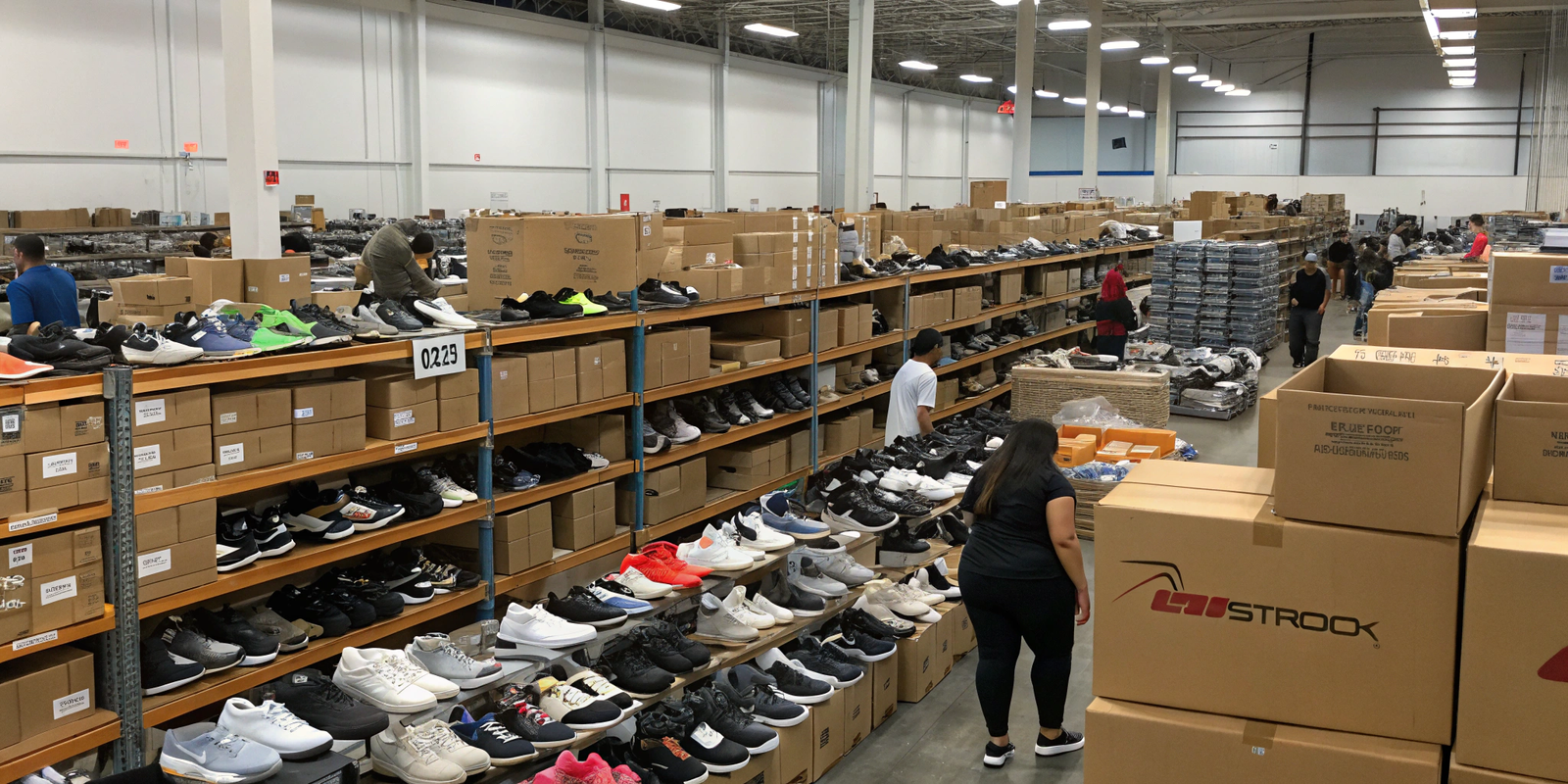 I've personally navigated the complexities of shoe inventory for Lucas for over twenty years. I've seen both our triumphs in perfectly timed stock and our inevitable missteps. Understanding why these imbalances happen is the first step toward preventing them.
The Double-Edged Sword: Understanding Overstock and Understock
At Lucas, we view overstock and understock not as mere inconveniences, but as direct threats to our financial health and customer relationships. They are often symptoms of deeper issues.
-
1. Why Overstock Happens (The Hidden Costs):
- Overly Optimistic Forecasting: This is a big one. You predict higher sales than actually materialize. Perhaps a fashion trend you bet on didn't take off, or a marketing campaign underperformed. This leaves you with too many shoes.
- Sudden Shifts in Trends/Consumer Preferences: The fashion industry is fickle. What's hot today might be cold tomorrow. If your ordering doesn't react quickly enough, you're stuck with out-of-date styles. I've personally seen a popular chunky sneaker trend rapidly cool, leaving huge inventories for those who ordered too late.
- Inefficient Returns Management: If returns aren't processed back into inventory promptly, or if they're damaged and unsellable, they can compound existing stock issues.
- Minimum Order Quantities (MOQs) from Suppliers: Sometimes, to get a good price, you must order more than you realistically need. This is a common challenge for many businesses, including Lucas. We carefully weigh the cost savings against the risk of overstock.
- Poor Inventory Visibility: Simply not knowing exactly what you have, where it is, or if it's actually sellable, can lead to ordering more than you need.
- The Costs of Overstock:
- Tied-Up Capital: Money is sitting in shoes, not earning interest or being invested elsewhere.
- Storage Costs: Paying for warehouse space, utilities, insurance.
- Obsolescence Risk: Shoes go out of style, or materials degrade. Their value drops.
- Markdowns/Losses: You'll eventually have to sell at a discount, cutting into profits or even incurring losses.
- Limited Space for New Stock: Overstock prevents you from bringing in fresh, new collections.
-
2. Why Understock Happens (The Missed Opportunities):
- Conservative Forecasting: Sometimes, to avoid overstock, businesses become too cautious. They predict lower sales than what the market actually demands.
- Unexpected Surges in Demand: A celebrity wears your shoe, it goes viral on social media, or a major event (like a sudden hot summer for sandals) creates an unforeseen spike in sales.
- Supply Chain Disruptions: Issues at the factory, shipping delays, customs problems, or material shortages can all prevent you from getting shoes when you need them. I've navigated many such issues at Lucas, especially during global crises.
- Inadequate Safety Stock: Not having enough buffer stock of popular items means you run out too quickly when unforeseen demand hits.
- Poor Communication Between Departments: If sales, marketing, and procurement aren't aligned, forecasts can be fragmented or incomplete.
- The Costs of Understock:
- Lost Sales Revenue: Customers want to buy, but you have no stock.
- Customer Dissatisfaction/Churn: Frustrated customers might go to a competitor and not return.
- Reduced Brand Loyalty: Repeated stockouts damage your brand's reliability.
- Increased Shipping Costs: Expedited shipping for last-minute orders is expensive.
- Damaged Reputation: Constantly being out of stock makes you look unreliable.
Understanding these underlying causes helps us at Lucas develop targeted strategies to manage our inventory more effectively, striving for that ideal balance.
Strategies to Prevent Overstock and Understock
Preventing inventory imbalance requires a proactive, data-driven, and flexible approach. At Lucas, we integrate multiple strategies.
-
1. Accurate Demand Forecasting (The Cornerstone):
- Utilize Historical Sales Data: This is your best guide. Look at past sales for similar shoes, seasons, colors, and sizes. Identify trends, seasonality, and product lifecycles.
- Incorporate Market Trends: Stay informed about fashion trends, economic outlooks, and competitor activities through market reports and social media monitoring.
- Consider External Factors: Account for holidays, promotions, news events, and even weather patterns that can influence demand.
- Use Forecasting Models: Employ statistical models (time series, regression) or specialized software that can generate more accurate predictions.
- My Lucas Example: We analyze sales of our ballerina flats, segmenting by region and even specific colorways. We know that certain pastels peak in spring in Europe, while brighter tones do better in summer in the US. This granular data helps us forecast with precision.
-
2. Optimize Order Quantities and Lead Times:
- Economic Order Quantity (EOQ): Calculate the ideal quantity to order that minimizes total inventory costs (holding costs + ordering costs). This helps reduce overstock.
- Reorder Points: Set trigger points for when to reorder specific items. This is based on lead time and daily demand, helping prevent understock.
- Negotiate Flexible MOQs: Work with suppliers to see if minimum order quantities can be reduced, especially for new or risky styles.
- My Insight: We always calculate lead times meticulously for our factories. If a factory in Vietnam has a 60-day lead time, and shipping takes 30 days, we know we need to place orders 3 months ahead of when the shoes should hit our warehouse shelves. Miscalculating this means guaranteed understock.
-
3. Implement Safety Stock and Buffer Inventory:
- What it is: A buffer of inventory kept on hand to prevent stockouts due to unexpected demand spikes or supply chain delays.
- How to determine: Calculate based on demand variability and lead time variability. It's an insurance policy for your most popular items.
- My Strategy: We always maintain safety stock for our best-selling core styles because the cost of a lost sale for these items is simply too high. For highly fashionable, shorter-lifecycle items, our safety stock is much smaller.
-
4. Leverage Technology: Inventory Management Software (IMS) / ERP Systems:
- Real-time Tracking: An IMS provides up-to-the-minute data on stock levels across all locations. This eliminates guesswork.
- Automated Reordering: Many systems can automatically trigger reorder alerts when stock falls below a certain point.
- Reporting & Analytics: Generate reports on sales trends, inventory turnover, and profitability by SKU.
- My Experience: Transitioning to a robust ERP system at Lucas, which includes a comprehensive IMS, was a huge turning point. It gave us unparalleled visibility and control, significantly reducing both overstock and understock occurrences.
-
5. Foster Strong Supplier Relationships and Agile Supply Chains:
- Communication: Maintain open and frequent communication with your suppliers about your forecasts and any potential changes.
- Contingency Planning: Discuss backup plans for potential disruptions (e.g., alternative factories, faster shipping options).
- Lead Time Reduction: Work with suppliers to explore ways to reduce manufacturing and shipping lead times, allowing for more responsive ordering.
- My Role: I spend a considerable amount of time cultivating relationships with our factory partners. When an unexpected surge in demand hits for a specific shoe, a strong relationship means they're more likely to prioritize our urgent reorder, saving us from understock.
-
6. Regular Inventory Reviews and Audits:
- Frequent Checks: Conduct regular checks (monthly, quarterly) to ensure physical inventory matches your system records.
- Identify Slow-Moving Stock: Flag items that aren't selling well early so you can take action (promotions, bundles) before they become dead stock.
- Analyze Fast-Moving Stock: Identify your best sellers and ensure they are consistently well-stocked.
- My Method: We perform a full physical inventory count annually, but our cycle counts and system reconciliations are done much more frequently. This constant vigilance helps us catch discrepancies before they become major problems.
By consciously implementing these strategies, Lucas strives to hit that sweet spot of optimal inventory—having enough shoes to meet demand without having too many.
| Problem Type | Root Causes | Consequences | Prevention Strategies | Lucas's Approach |
|---|---|---|---|---|
| Overstock | Overly optimistic forecasts; trend shifts; MOQs; poor visibility. | Tied-up capital; storage costs; obsolescence; markdowns. | Accurate forecasting; optimize EOQ; regular reviews; flexible MOQs. | Granular historical data analysis; careful MOQs with suppliers. |
| Understock | Conservative forecasts; demand surges; supply chain issues; no safety stock. | Lost sales; customer dissatisfaction; reduced loyalty; expedited shipping. | Accurate forecasting; set reorder points; safety stock; agile supply chain. | Meticulous lead time calculations; strong supplier relationships; safety stock for core items. |
| General | Lack of real-time data; poor data analysis; reactive approach. | Inefficient operations; missed opportunities. | Investment in IMS/ERP; strong inter-departmental communication; regular audits. | Robust ERP system; continuous communication between sales, marketing, and procurement. |
Conclusion To prevent overstock or understock in shoe inventory, Lucas relies on accurate demand forecasting, optimized order quantities, and maintaining safety stock. This, combined with technology and strong supplier relationships, ensures a balanced and efficient inventory.