
Are you skeptical about whether that box of baking soda in your pantry can really banish the foul odor from your shoes, or is it just another old wives' tale? It's a common question with a surprisingly powerful answer.
Yes, baking soda absolutely works for shoe smell. It's a highly effective, natural, and inexpensive deodorizer that neutralizes odor-causing acids and bases, rather than simply masking them. Its finely granular structure also allows it to absorb moisture, which is crucial since damp environments are breeding grounds for the bacteria and fungi responsible for bad shoe odors. By tackling both the odor molecules and the moisture, baking soda provides a comprehensive solution for fresh-smelling footwear.
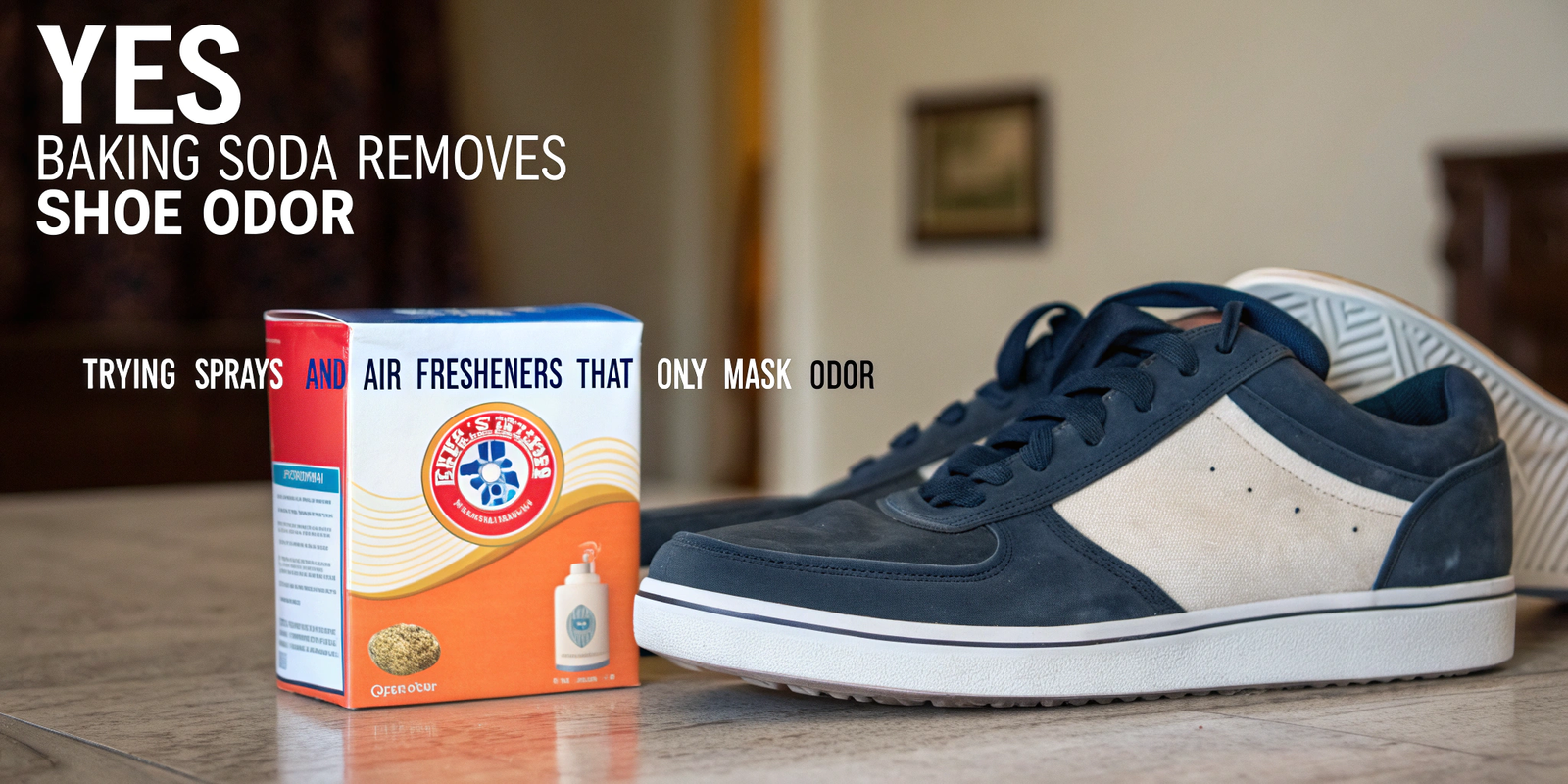
Yes — Baking Soda Removes Shoe Odor Have you tried sprays and air fresheners that just cover up that embarrassing shoe odor, still searching for a real solution? The secret might be simpler, and cheaper, than you think. Yes, baking soda effectively removes shoe odor because it is a natural amphoteric substance, meaning it chemically neutralizes both acidic and alkaline odor compounds. Beyond just absorbing smells, its fine powder also efficiently draws out moisture, which is critical since bacterial growth in damp environments is the primary cause of persistent shoe odors. This dual action makes it a superior choice for truly eliminating, rather than just masking, unpleasant smells from footwear.
My experience at Lucas has taught me that the best solutions are often the most straightforward. We focus on innovation in materials, but for everyday problems like shoe odor, sometimes the old ways are the most reliable. Baking soda truly stands out.
The Science Behind Why Baking Soda is a Stink Stopper
It's not just magic; there's real chemistry at play when baking soda tackles shoe odor.
- 1. pH Neutralization (The Chemical Reaction):
- What it is: The unpleasant smells in shoes are typically caused by volatile organic compounds (VOCs) produced by bacteria and fungi that thrive on sweat and dead skin cells. These compounds can be acidic (like isovaleric acid, responsible for cheesy foot odor) or alkaline (like ammonia, which can contribute to a stale smell).
- How it works: Baking soda, or sodium bicarbonate (NaHCO₃), is an amphoteric substance. This means it can react with both acids and bases.
- When it encounters an acidic odor molecule, the bicarbonate ion (HCO₃⁻) accepts a proton (H⁺), neutralizing the acid.
- When it encounters an alkaline odor molecule, the bicarbonate ion donates a proton, neutralizing the base.
- Impact: Instead of merely covering up the smell with a stronger scent (like many commercial sprays), baking soda chemically alters the odor molecules into odorless compounds. This is true odor elimination.
- 2. Moisture Absorption (The Environmental Control):
- What it is: The hot, dark, and often damp environment inside shoes is an ideal breeding ground for bacteria and fungi. Sweat provides the moisture and nutrients they need to multiply and produce those pungent odors.
- How it works: Baking soda is highly hygroscopic, meaning it readily absorbs moisture from the air and from surfaces.
- Impact: By drawing moisture out of the shoe's interior and from the insolubles, baking soda creates a drier environment. This inhibits the growth and activity of the odor-causing microorganisms, effectively cutting off their food and water supply. Less bacteria means less odor.
- 3. Gentle Abrasive/Surface Cleaning:
- What it is: Baking soda has a very fine, crystalline structure.
- How it works: When sprinkled into shoes, it can act as a mild abrasive, helping to dislodge and remove microscopic particles of dirt, dead skin, and dried sweat that cling to the shoe's lining and insole.
- Impact: A cleaner surface means fewer places for bacteria to hide and fewer nutrients for them to feed on, further reducing odor sources.
- 4. Safety and Accessibility:
- What it is: Baking soda is a common household item, non-toxic, and inexpensive.
- How it works: It's safe to use on almost all shoe materials without causing damage or discoloration.
- Impact: This makes it a go-to solution for anyone looking for a reliable, risk-free way to deodorize their footwear.
In essence, baking soda tackles shoe odor on multiple fronts: it chemically neutralizes the smell, dries out the environment that fosters odor-causing microbes, and provides a gentle cleaning action. This comprehensive approach is why it's so incredibly effective.
How to Use Baking Soda to Remove Shoe Odor
Are you ready to use baking soda but unsure of the best technique to unlock its full odor-fighting power in your shoes? It's not just about sprinkling it in.
To effectively use baking soda for shoe odor, ensure your shoes are dry, then generously sprinkle a layer of baking soda directly onto the insoles and into the toe box of each shoe. Allow it to sit for at least 8 hours, or ideally overnight, to fully absorb moisture and neutralize odors. For deeper odors or more sensitive shoes, place the baking soda in a thin cloth bag or old sock before inserting. Always thoroughly dump or vacuum out the powder before wearing to prevent irritation or residue.
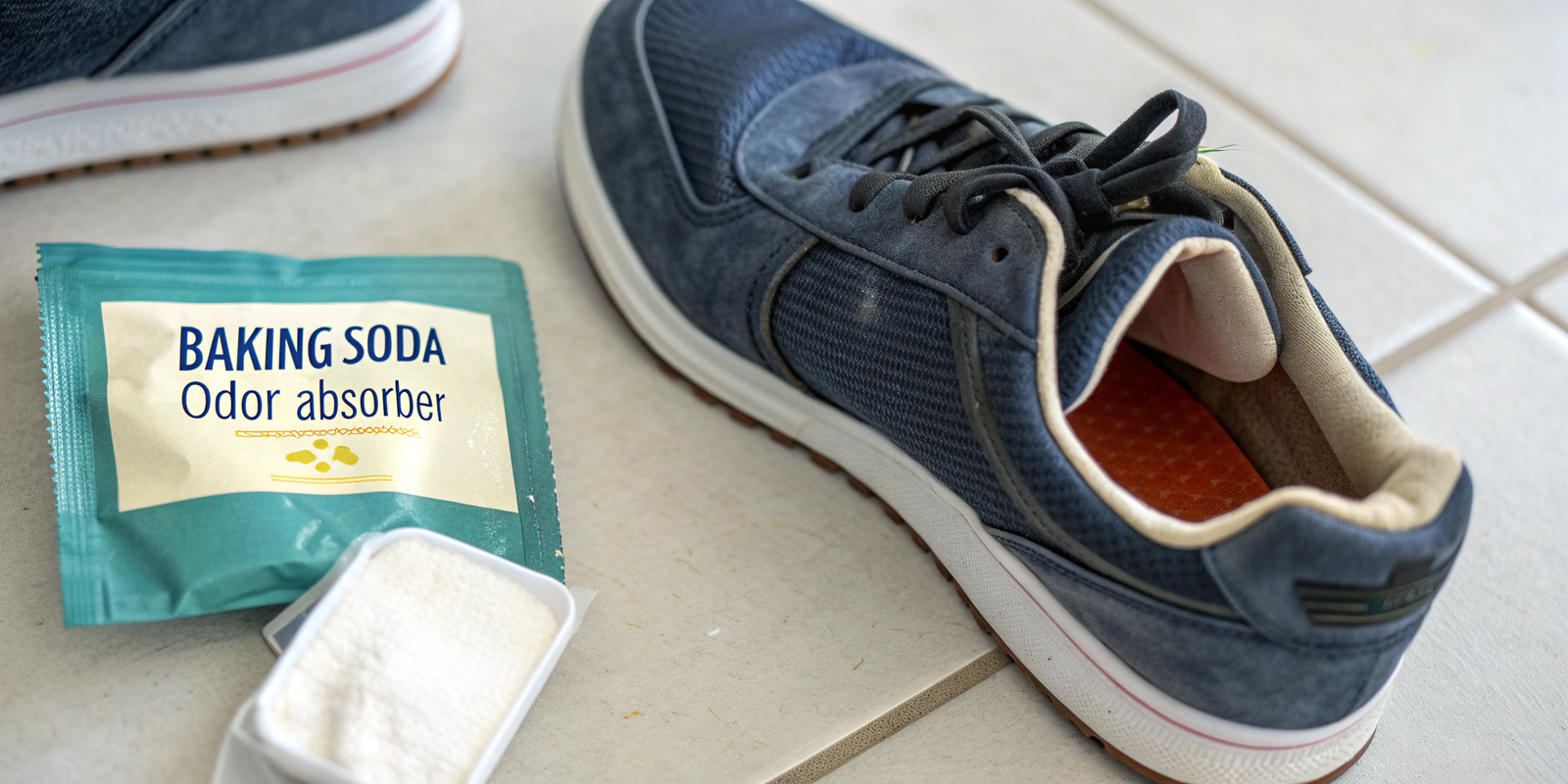
Step-by-Step: Unleashing Baking Soda's Power
Using baking soda is simple, but following these steps ensures maximum effectiveness and avoids mess.
- 1. Make Sure Shoes Are Dry:
- Why: Baking soda works best when absorbing existing moisture and neutralizing odors. If shoes are soaking wet, the baking soda can clump and become less effective, or even leave a residue.
- How: If your shoes are damp from sweat or rain, first let them air dry completely in a well-ventilated area for a few hours. You can stuff them with crumpled newspaper to help absorb excess moisture faster.
- 2. Prepare the Baking Soda (Direct or Contained):
- Direct Application (Most Effective for Strong Odors):
- How: Take a box of plain baking soda and generously sprinkle a layer directly into each shoe. Make sure the entire insole is covered, and try to get some powder down into the toe area. Don't be too sparse; aim for a decent layer.
- Best for: Most athletic shoes, sneakers, canvas shoes, or any shoe with persistent odors.
- Contained Application (Less Mess, for Lighter Odors or Delicate Shoes):
- How: Pour 2-3 tablespoons of baking soda into an old sock, a small tea bag, or a thin cloth bag. Tie it off securely so no powder can escape.
- Best for: Dressier shoes, shoes with darker linings where a white powder might be visible, or if you want minimal cleanup.
- Direct Application (Most Effective for Strong Odors):
- 3. Let it Sit (The Waiting Game):
- How: Place the shoes in a location where they won't be disturbed.
- How long: Leave the baking soda in the shoes for at least 8 hours, but ideally overnight. For very strong, stubborn odors, you can even leave it for 24-48 hours. The longer it's in there, the more time it has to absorb moisture and neutralize odor molecules.
- 4. Remove the Baking Soda:
- How:
- Direct Method: Carefully pick up each shoe and dump the baking soda into a trash can. You can then gently tap the shoes to dislodge any remaining powder. For a thorough clean-up, use a handheld vacuum or the hose attachment of a larger vacuum to remove all residual powder from the insoles and crevices.
- Contained Method: Simply remove the sock/bag filled with baking soda.
- How:
- 5. Optional: Add a Fresh Scent (After Deodorizing):
- How: Once the odor is gone, if you like a subtle fresh scent, you can insert a fresh dryer sheet into each shoe for an hour or two before wearing.
- Note: This is purely for preference; the baking soda should have already eliminated the stink.
Tips for Success:
- Repeat if Necessary: For very stubborn odors or shoes worn frequently, you might need to repeat the process every few days or once a week.
- Treat Insoles Separately: If your insoles are removable, take them out, sprinkle baking soda directly on each side, and let them sit separately. This maximizes surface area for odor absorption.
- Ventilation: While the baking soda is working, placing the shoes in a well-ventilated area (e.g., outdoors on a dry day, or near an open window) can also aid in air circulation and odor dissipation.
By following these simple steps, you can harness the natural power of baking soda to effectively eliminate shoe odor and refresh your footwear.
How Long Should You Leave Baking Soda in Shoes? Are you wondering if a quick sprinkle of baking soda is enough, or if it needs more time to truly banish shoe odor? The duration of the treatment is key to success. For optimal results in removing shoe odor, you should leave baking soda in shoes for at least 8 hours, or ideally overnight (12-16 hours). This duration allows the baking soda sufficient time to effectively absorb moisture and chemically neutralize a wide range of odor-causing compounds. For extremely pungent or deeply embedded odors, extending the treatment for 24 to 48 hours can provide even more thorough deodorization by maximizing its contact and absorption capabilities.
Through my years at Lucas, I've learned that patience often yields the best results, whether in design or care. With baking soda, it’s not just about applying it; it's about giving it the time it needs to truly work its magic.
Optimal Dwell Time: Giving Baking Soda the Time It Needs
The effectiveness of baking soda largely depends on how long you allow it to work. Think of it as a prolonged chemical reaction and absorption process.
- 1. Minimum Time: 8 Hours:
- Why: While baking soda starts working immediately, it needs sufficient contact time to fully absorb significant amounts of moisture and neutralize a broad spectrum of odor molecules.
- What to expect: After 8 hours, you'll likely notice a significant reduction in lighter to moderate shoe odors. This is often enough for shoes with mild, day-to-day perspiration smells. It's a good benchmark for routine maintenance.
- 2. Ideal Time: Overnight (12-16 Hours):
- Why: This duration allows the baking soda to perform its full range of deodorizing actions. Over a full night, the powder can fully penetrate the shoe's lining and insoles, drawing out deeper moisture and neutralizing more stubborn odor compounds.
- What to expect: This is the sweet spot for most common shoe odors. You'll likely find your shoes much fresher and noticeably odor-free. This is the recommendation I give most often for best results.
- 3. Maximum Time: 24 to 48 Hours (For Stubborn Odors):
- Why: For shoes with deeply embedded, chronic odors — perhaps from prolonged heavy use, significant sweat, or if they've been left damp for extended periods — a longer treatment period is needed. This extended time maximizes the baking soda's ability to tackle resistant odor-causing bacteria and break down more complex smell compounds.
- What to expect: Shoes that previously seemed unsalvageably smelly can often be significantly refreshed after this longer duration. You might consider repeating this long process once or twice if the odor is extremely potent.
- 4. How to Judge Completion:
- Smell test: The most straightforward way to tell is by smelling the shoes. If the odor is gone, the baking soda has done its job.
- Powder consistency: If the baking soda feels clumpy or looks significantly discolored after removal, it indicates it absorbed a lot of moisture and grime, suggesting it worked hard.
**Conside