
Are you curious about how shoes can go from trash to treasure, or even disappear back into nature? The future of footwear is changing. Circular footwear represents a significant shift towards sustainability, focusing on designing shoes for their entire lifecycle: from sourcing recycled and renewable materials to enabling easy recycling, composting, or biodegradation at the end of their useful life. This approach seeks to minimize waste, reduce reliance on virgin resources, and close the loop on material flows, fundamentally transforming how shoes are made, used, and disposed of. It is about creating products that are good for people and the planet. At Lucas, with over two decades in shoe manufacturing, I have witnessed and contributed to many industry changes. The move towards circularity is one of the most exciting and necessary. We are dedicated to finding new ways to craft amazing shoes that meet the highest standards of quality, comfort, and environmental responsibility.
Why is sustainability important in footwear?
Do you ever think about the environmental cost of your shoes? What impact does footwear manufacturing have on our planet?
Sustainability is profoundly important in footwear due to the industry's significant environmental footprint. Traditional shoe manufacturing often relies on resource-intensive processes, including water-heavy material cultivation (like cotton and leather), chemical-laden tanning, and the use of petroleum-based synthetics. This results in substantial waste, pollution, greenhouse gas emissions, and a heavy drain on non-renewable resources. Furthermore, the vast majority of shoes end up in landfills, taking hundreds of years to decompose because they are made from complex mixes of non-biodegradable materials. Addressing sustainability means reducing this impact by conserving resources, minimizing pollution, and creating products that are either recyclable or biodegradable, thus promoting a healthier planet and a more responsible industry.
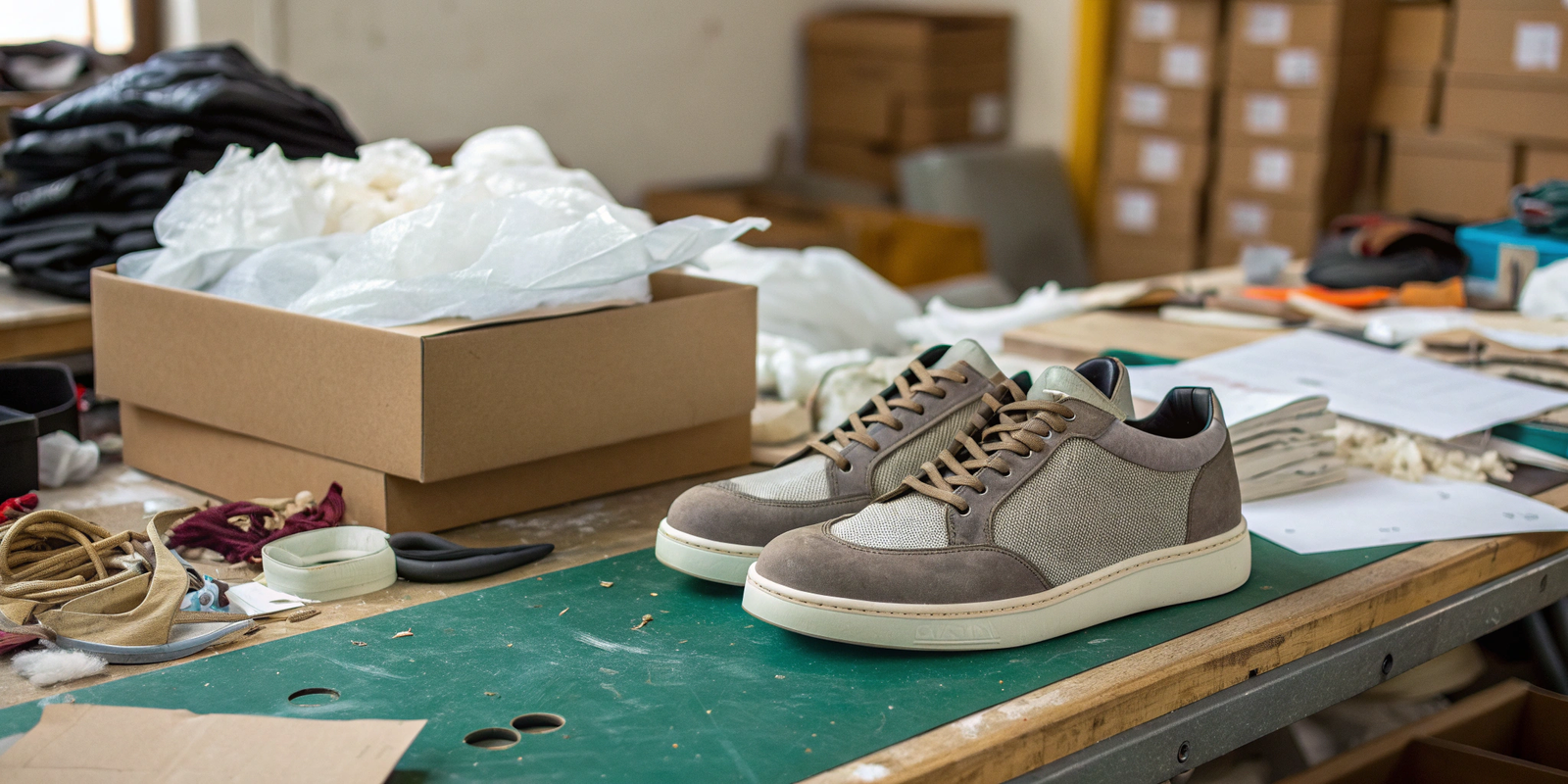 From my perspective at Lucas, a company founded on integrity and committed to responsible practices, sustainability isn't just a trend; it's a fundamental shift in how we approach design, development, and manufacturing. We believe in being part of the solution, not the problem.
How are shoes made from recycled materials? It sounds like magic, doesn't it? How can old plastic bottles or pieces of fabric turn into brand new shoes? Shoes are increasingly made from recycled materials through innovative processes that transform post-consumer or industrial waste into new fibers, fabrics, and components. For example, plastic waste, like PET bottles, is cleaned, shredded into flakes, melted, and then spun into polyester yarns to create shoe uppers, linings, and laces. Old tires are ground down and repurposed for outsoles, while textile scraps from clothing production can be shredded and re-spun into new fabrics or pressed into composite materials for various shoe parts. Even discarded fishing nets are being regenerated into nylon yarns for uppers. These recycled materials undergo rigorous testing to ensure they meet the durability, comfort, and aesthetic standards required for footwear. This process reduces landfill waste, conserves virgin resources, and lowers the energy and water consumption associated with producing new materials. At Lucas, we are actively exploring and integrating these recycled materials into our lines. We work with BSCI and SEDEX-certified factories, and our GRS certification means we are committed to using recycled content. It's a challenging but rewarding journey to turn what was once waste into beautiful, functional footwear.
The Material Revolution: Building Shoes from Yesterday's Trash
The shift toward using recycled materials in footwear is a testament to human ingenuity and a growing commitment to environmental responsibility. Manufacturers are no longer just looking at performance and aesthetics but also asking: "Where does this material come from, and where will it go?" This has led to exciting developments:
-
Recycled PET (RPET) for Uppers and Linings: One of the most common recycled materials is RPET, which comes from plastic bottles. These bottles are collected, sorted, cleaned, and then broken down into tiny flakes. These flakes are melted and extruded into fine fibers, which are then spun into yarn. This yarn can be woven or knitted into fabrics that are perfect for shoe uppers, linings, and even laces. Using RPET significantly reduces plastic waste that would otherwise end up in landfills or oceans. It also generally requires less energy and water to produce than virgin polyester. Many brands now proudly highlight how many plastic bottles went into making a pair of their shoes, creating a tangible connection for consumers to the positive environmental impact.
-
Recycled Rubber and EVA for Outsoles and Midsoles: The challenge with traditional athletic shoes often lies in their outsoles and midsoles. Outsoles, traditionally made from virgin rubber, are durable but difficult to break down. Now, companies are experimenting with grinding up old tires or factory rubber scraps and incorporating them into new outsole compounds. Similarly, recycled EVA (Ethylene-Vinyl Acetate), which is the common foam cushioning material found in most midsoles, is also being given new life. Post-industrial EVA waste or even shredded old EVA midsoles can be mixed with virgin EVA to create new midsole foams, reducing the demand for new petroleum-based materials and diverting waste from landfills. This process requires careful formulation to ensure the recycled content doesn't compromise the shoe's cushioning performance or durability.
-
Recycled Textiles and Leather for Various Components: Beyond plastics, other waste streams are being tapped. Post-industrial fabric scraps, often overlooked, can be shredded and reprocessed into new textile fibers. These can then be used for inner linings, reinforcements, or even woven into new uppers. For leather, which has its own environmental challenges, recycled or bonded leather is gaining traction. This involves taking leather scraps, grinding them into fibers, and then bonding them together with adhesives to create a new sheet material that has the look and feel of leather but with a significantly reduced environmental footprint compared to virgin leather production. This innovative approach extends the life of materials that would otherwise be discarded, aligning perfectly with circular economy principles.
These examples show that making shoes from recycled materials is not just a concept—it's a reality. At Lucas, we continue to research and implement these technologies, driven by our mission to combine exceptional craftsmanship with sustainable practices, ensuring every pair of shoes we create meets the highest standards both for our customers and for the planet.
Are recycled or biodegradable shoes as comfortable as regular shoes?
You might wonder if being eco-friendly means giving up on comfort. Does sustainability come at the cost of how a shoe feels on your foot?
When made with care and advanced technology, shoes from recycled or biodegradable materials can be just as comfortable, supportive, and durable as traditional footwear. Modern manufacturing processes ensure that recycled polymers, plant-based materials, or bio-derived foams meet high performance standards for flexibility, breathability, and cushioning. While early sustainable options sometimes faced challenges, ongoing research has led to significant improvements. The key is in the engineering and design—using the right sustainable material for the right part of the shoe, and ensuring that sustainable practices don't compromise the fit, feel, or function that consumers expect. This means that embracing sustainable footwear does not require a sacrifice in comfort or quality.
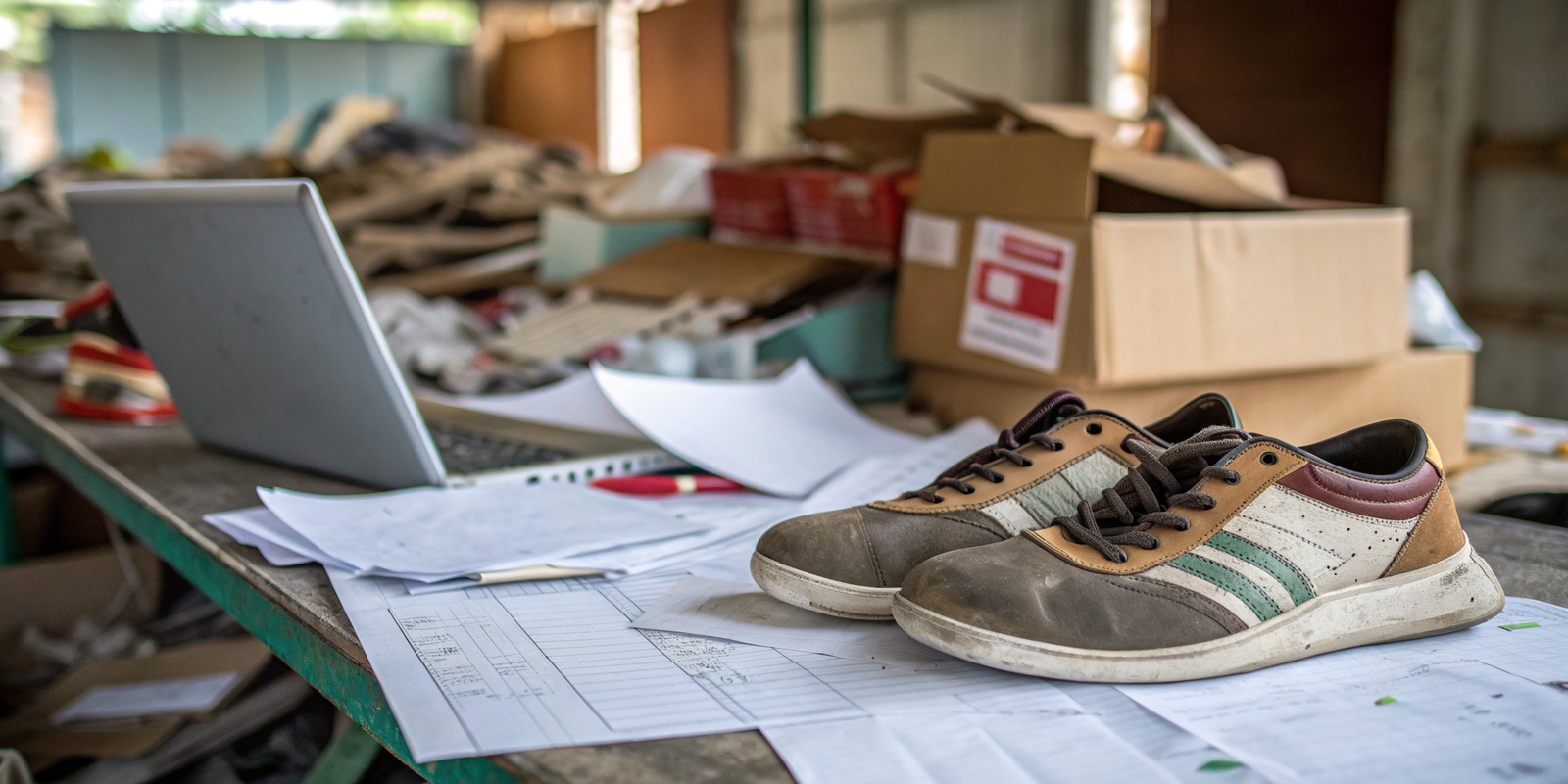 As a company deeply rooted in design and development, Lucas understands that comfort is paramount. We believe sustainability must enhance, not detract from, the wearer's experience. Our commitment to quality means that every pair, regardless of its material origin, must meet our stringent comfort and durability standards.
Are sustainable shoes more expensive than traditional shoes? Is going green going to cost you more green? Does the effort to be eco-friendly translate into a higher price tag for your footwear? Sustainable shoes can sometimes be more expensive than traditional shoes, especially in the short term. This is due to several factors. Research and development into new eco-friendly materials and manufacturing processes often require significant upfront investment. Sustainable materials themselves, particularly innovative bio-based or highly technical recycled materials, can have higher production costs than their conventional counterparts because they are produced in smaller volumes or involve more complex processing. Additionally, ethical labor practices and certifications, which are often part of a truly sustainable brand's ethos, can add to the overall cost. However, as demand for sustainable products grows and production scales, these costs are expected to decrease. Many consumers are also willing to pay a premium for products that align with their values, seeing the added cost as an investment in environmental and social responsibility.
At Lucas, we navigate this balance carefully. Our mission includes integrating sustainable practices without making our products prohibitively expensive. We believe that over time, as sustainable materials and processes become more mainstream, their costs will become more competitive, making eco-conscious choices more accessible to everyone.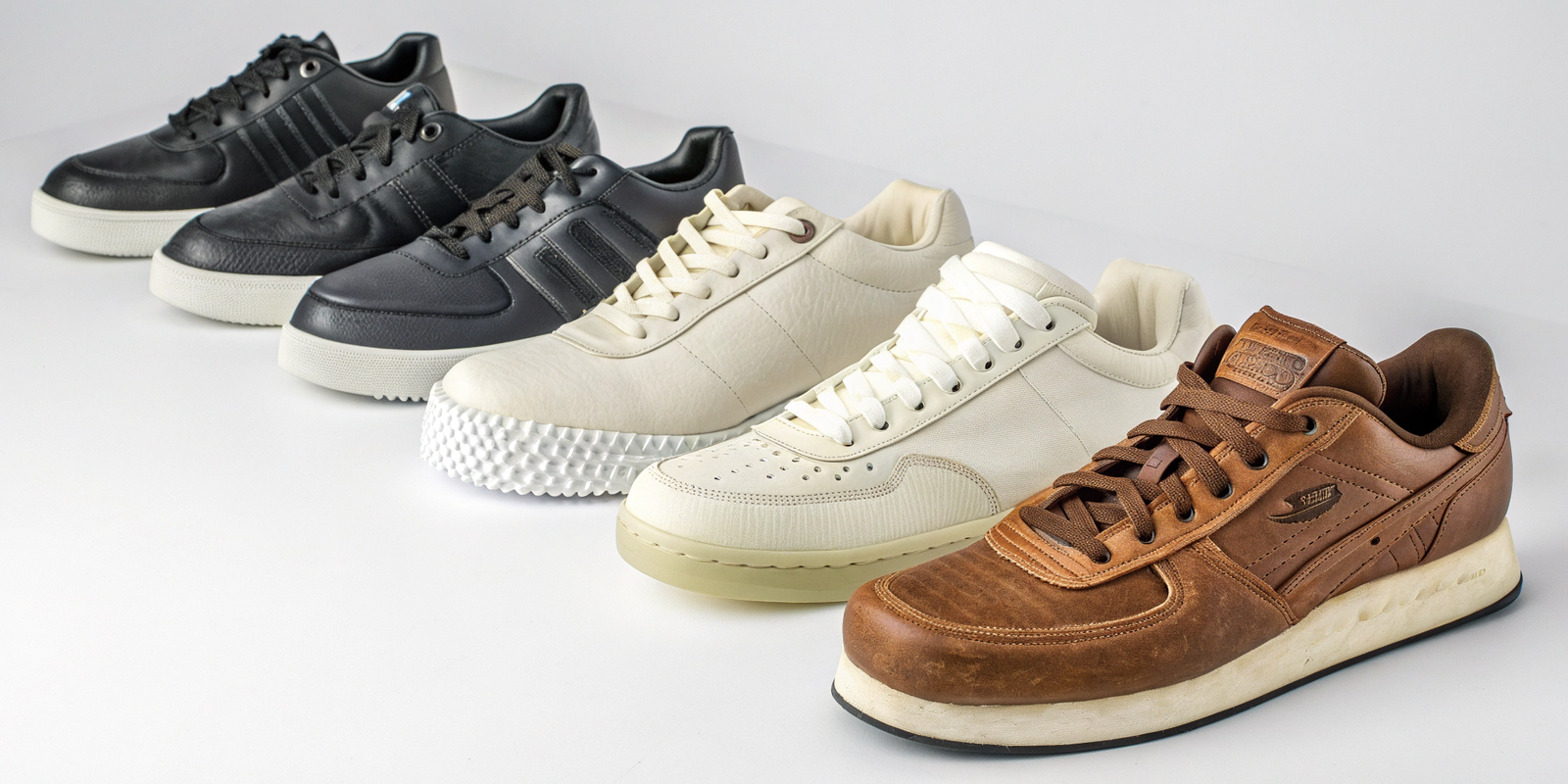
Conclusion Circular footwear is vital for reducing the industry's environmental footprint by using recycled and biodegradable materials. Shoes made from recycled plastics, rubber, and textiles are now as comfortable as traditional ones due to advanced manufacturing. While sustainable shoes can be pricier initially, costs are decreasing as production scales. At Lucas, we are committed to innovative, sustainable practices, ensuring our shoes are high-quality, fashionable, and environmentally responsible.