
Are you staring at your grubby sneakers, wondering if the washing machine can save them, or if it's a guaranteed way to ruin them? It's a common question with an answer that isn't always a simple yes or no.
You can often wash certain types of shoes in a washing machine, specifically those made of durable fabrics like canvas, cotton, or synthetic mesh, but it requires careful preparation and the right settings to avoid damage. Always remove laces and insoles, pre-clean heavy dirt, place shoes in a mesh bag, use cold water on a delicate cycle with mild detergent, and air dry them away from direct heat. Never machine wash leather, suede, or shoes with delicate embellishments, as these materials will almost certainly be damaged by the machine's agitation and water.
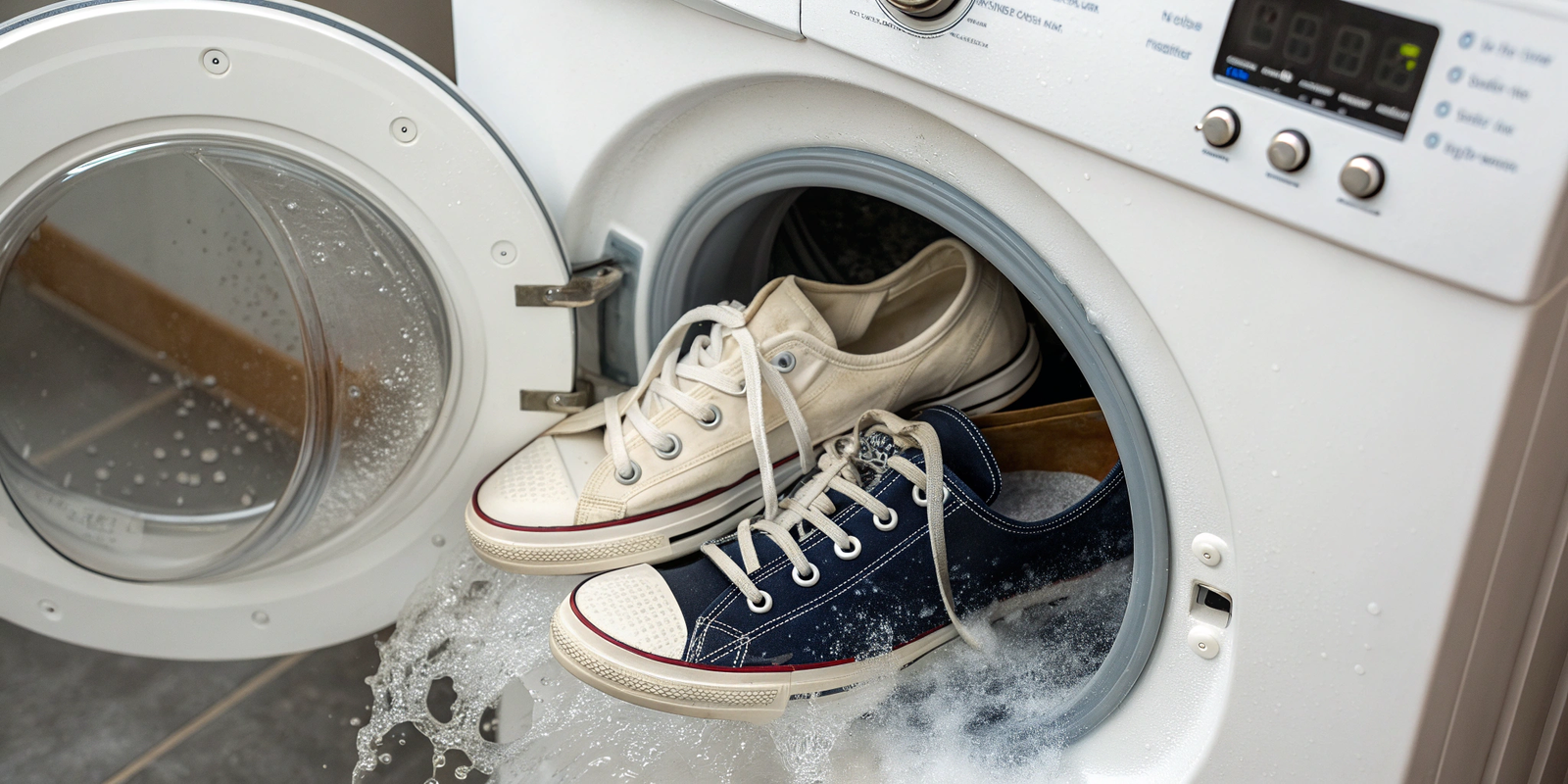
Can You Wash Shoes in a Washing Machine? So, the big question is, can that trusty washing machine handle your dirty shoes? The truth is, it depends heavily on the shoe, and a wrong move can lead to irreversible damage. Yes, you can wash many athletic shoes, sneakers, and casual shoes made of canvas, cotton, or synthetic mesh in a washing machine, given careful preparation and the use of appropriate settings. However, you should never machine wash shoes made of leather, suede, silk, satin, or any material with delicate embellishments, intricate stitching, or sensitive glues, as the agitation and water can cause shrinking, cracking, discoloration, or complete structural failure. Always prioritize hand washing or spot cleaning for these materials to preserve their integrity and appearance.
The Machine Wash Conundrum: When It's Okay, When It's Not
Deciding if your shoes are washing machine-friendly means understanding their composition.
- When to Say YES to the Machine:
- Material Matters Most: The best candidates for machine washing are shoes made primarily of canvas, cotton, nylon, or synthetic mesh. Think most running shoes, sneakers, and casual canvas shoes (e.g., Converse, Vans). These materials are generally durable and water-resistant.
- Less Structure, More Flexibility: Shoes with less rigid structure and fewer delicate components tend to fare better.
- Removable Parts: If insoles and laces can be easily removed, it's a good sign.
- When to Say NO (or Hand Wash AT ALL COSTS):
- Leather and Suede: These materials are an absolute no-go for the washing machine. Water and agitation will cause leather to shrink, crack, and stiffen. Suede will lose its texture, become matted, and likely stain. For these, use specialized leather/suede cleaners and brushes.
- Delicate Embellishments: Shoes with beads, sequins, embroidery, glitter, or delicate stitching will almost certainly be damaged or fall apart in the machine.
- Shoes with Glued Components: Many fashion sneakers or shoes with intricate designs rely on adhesives. Machine washing can dissolve these glues, leading to soles detaching, layers separating, or decorative elements falling off. This is a big concern in footwear manufacturing, as glues can be sensitive to heat and prolonged water exposure.
- Formal or Dress Shoes: These are inherently delicate and not designed for machine washing.
- Rubber Boots/Rain Boots: While waterproof, the rubber can be damaged by agitation and chemicals, leading to cracking or material fatigue. A simple hose-down and wipe is far better.
- Heels or Wedges: The structure is too delicate and likely to break.
- Memory Foam or Gel Insoles (without removable cover): These can absorb too much water, take ages to dry, and potentially lose their supportive properties.
| Shoe Type/Material | Machine Washable? | Reasoning | Recommended Cleaning Method |
|---|---|---|---|
| Canvas/Cotton Sneakers | Yes | Durable fabric, generally resistant to water and agitation. | Machine wash (delicate), air dry. |
| Synthetic Mesh / Athletic Shoes | Yes | Engineered for durability and breathability, often quick-drying. | Machine wash (delicate), air dry. |
| Leather Boots/Shoes | No | Leather will shrink, crack, stiffen, and discolor. | Hand clean with leather cleaner/conditioner. |
| Suede/Nubuck Shoes | No | Suede will matt, lose texture, and stain easily. | Suede brush, eraser, specialized cleaner. |
| Shoes with Delicate Embellishments | No | Beads, sequins, intricate stitching will be damaged or come off. | Spot clean very carefully. |
| Shoes reliant on strong adhesives | No | Water and agitation can dissolve glues, causing parts to detach. | Hand clean carefully. |
| Rubber Boots | No | Rubber can crack or degrade. | Hose down, wipe clean. |
Pre-Wash Checklist (Don’t Skip This Step) Are you ready to toss your shoes into the washing machine, but haven't really prepared them? Skipping pre-wash steps is a surefire way to get less-than-stellar results and potentially damage your beloved footwear. Before machine washing shoes, always conduct a thorough pre-wash checklist:
- Remove laces and insoles, washing them separately.
- Brush off loose dirt, mud, and debris from the uppers and soles to prevent clogging the machine.
- Spot treat any stubborn stains with a mild cleaner to improve the wash outcome.
- Place shoes in a mesh laundry bag or an old pillowcase to protect them and your washing machine.
- Add old towels to the load to balance it and cushion the shoes against the drum.
These crucial steps prevent damage to both your shoes and the appliance, ensuring a more effective and safer wash.
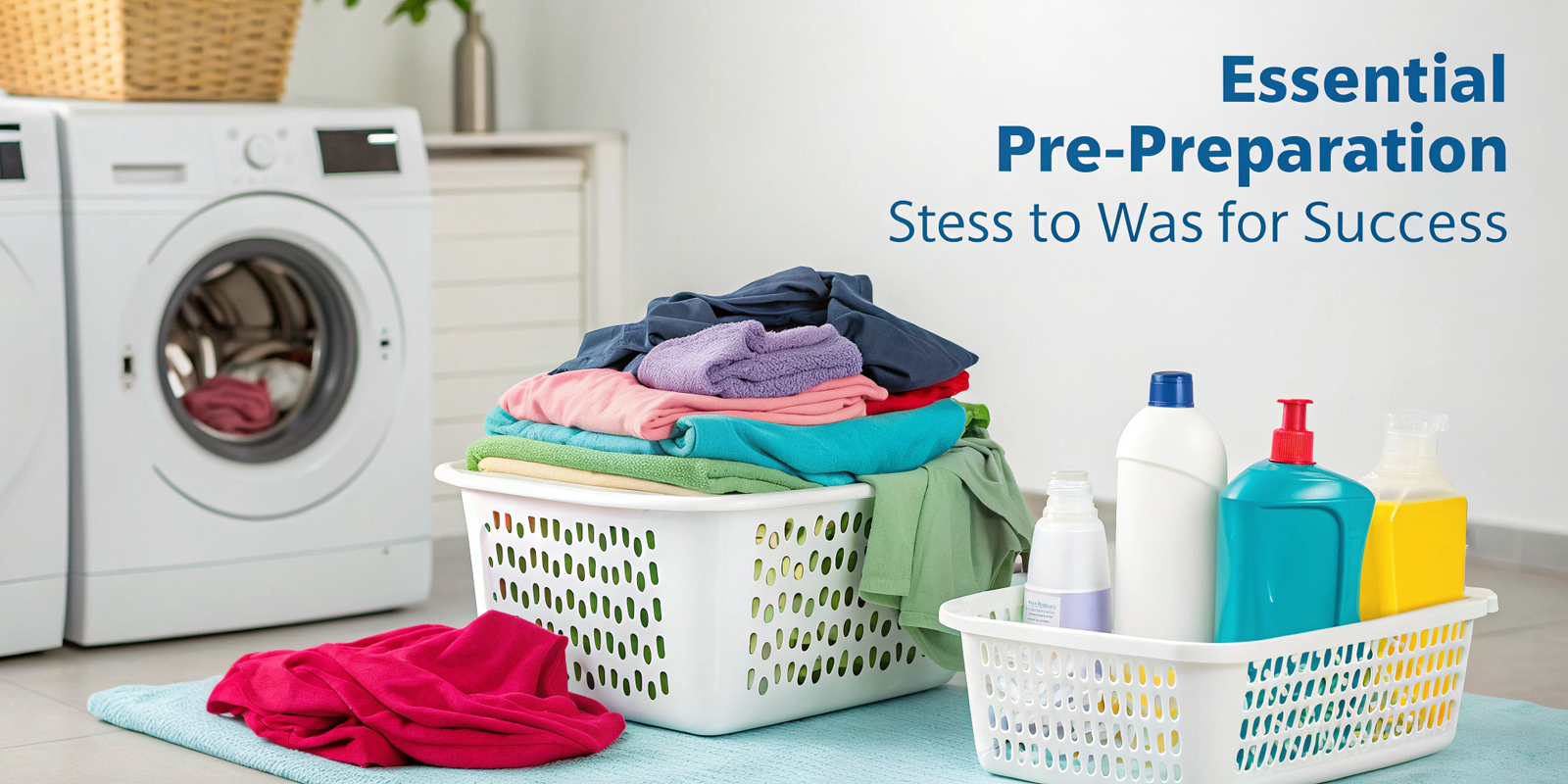
Your Essential Pre-Wash Prep: Setting Up for Success
This step-by-step guide is crucial for a successful and safe machine wash. Do not skip any of these.
- 1. Remove Laces and Insoles:
- Why: Laces can get tangled around shoe parts or within the washing machine's agitator, causing damage. Insoles, especially those made of foam or gel, can absorb too much water, take forever to dry, and potentially harbor bacteria if not dried properly.
- How: Take them out. You can hand wash laces with some soap, or put them in the mesh bag with the shoes. Hand wash insoles with a toothbrush and mild soap, then air dry completely.
- 2. Brush Off Excess Dirt and Debris:
- Why: Large clumps of mud, dirt, or gravel can clog your washing machine's drain or scratch the drum. They also just make the water dirtier, making the wash less effective.
- How: Use an old toothbrush, a soft brush, or even a damp cloth to scrub off any caked-on mud, dirt, or debris from the uppers and especially the soles. Get into the crevices of the tread.
- 3. Spot Treat Stubborn Stains:
- Why: The washing machine might not be able to tackle deep-set stains on its own. Pre-treating increases the chances of complete removal.
- How: Apply a small amount of mild stain remover or a paste of baking soda and water to any noticeable stains. Let it sit for 15-30 minutes before washing, gently scrubbing with a soft brush if needed.
- 4. Place Shoes in a Mesh Laundry Bag (or Pillowcase):
- Why: This is a vital protective step. The bag prevents shoes from tumbling loudly and violently against the washing machine drum, protecting both the shoes (from getting scuffed or dinged) and the machine itself (from potential damage). It also keeps them together.
- How: Put one shoe in each bag, or two in a larger bag. If you don't have a mesh bag, an old pillowcase tied shut works just as well.
- 5. Add Towels to the Load:
- Why: Adding 2-4 old towels (darker ones are better to prevent dye transfer, but ensure they don't shed lint) to the wash load helps to balance the machine, reducing the loud banging as the shoes tumble. The towels also act as extra cushioning, absorbing some of the impact and protecting both your shoes and the machine.
- How: Just toss them in with the bagged shoes.
Washing Machine Settings:
- Water Temperature: ALWAYS use COLD water. Hot water can shrink shoes, warp plastics, damage adhesives, and cause colors to bleed.
- Cycle Setting: Choose a GENTLE or DELICATE cycle. Avoid heavy-duty cycles that use harsh agitation.
- Detergent: Use a mild liquid detergent. Avoid harsh powders or bleach, especially for colored shoes or white shoes (as bleach can yellow certain materials over time). Use only a small amount, perhaps half of what you'd use for a normal load of laundry.
- Spin Cycle: A low spin cycle is usually fine to remove excess water. If you're very concerned, you can skip the spin cycle entirely and let them drip dry more slowly.
| Pre-Wash Step | Action Required | Reasoning for Importance |
|---|---|---|
| Remove Laces & Insoles | Take them out; wash separately or hand clean. | Prevents tangling, protects delicate insoles from waterlogging, allows thorough drying. |
| Brush Off Excess Dirt | Use a brush or damp cloth to remove all loose mud, grit, debris. | Prevents machine clogging, scratching, and ensures cleaner wash water; prevents dirt from embedding deeper. |
| Spot Treat Stubborn Stains | Apply mild cleaner or baking soda paste to visible stains; rub gently. | Increases chances of full stain removal; prevents stains from setting during the wash cycle. |
| Use Mesh Laundry Bag | Place shoes inside a mesh bag or tied pillowcase. | Protects shoes from scuffs/damage during agitation; protects machine drum; keeps pairs together. |
| Add Old Towels | Include 2-4 old towels with the shoe load. | Balances the machine, reduces banging noise, provides cushioning, helps absorb impact and water. |
| Machine Settings | Cold water, Delicate cycle, Mild liquid detergent (small amount), Low spin. | Prevents shrinking, warping, glue damage, color bleeding; ensures gentle wash; avoids harsh chemicals. |
What Happens If You Wash Shoes the Wrong Way? Have you ever pulled a pair of shoes out of the washing machine only to find them irrevocably altered or even destroyed? Washing shoes incorrectly can lead to a host of disastrous outcomes. Washing shoes the wrong way, especially by machine washing unsuitable materials or using incorrect settings, can result in irreversible damage: shrinking, warping, discoloration, material breakdown (like leather cracking or suede matting), detachment of soles or embellishments due to dissolved glues, and even damage to the washing machine itself. Using hot water or harsh detergents can accelerate these problems, leaving your shoes unwearable and effectively ruined, which is why understanding shoe material and proper procedure is paramount.
The Consequences of a Laundry Day Mishap
When you ignore the "Pre-Wash Checklist" and throw caution to the wind, here's a look at the unfortunate things that can happen:
- 1. Shrinking and Warping:
- How it happens: Hot water is the main culprit here, especially for shoes with mixed materials like synthetic fabric uppers and rubber soles, or any shoe with foam components. Heat can cause fabrics to shrink unevenly and EVA foam (common in midsoles) to warp or deform.
- Result: The shoe no longer fits properly; the shape is distorted, making it uncomfortable or even unwearable.
- 2. Discoloration and Color Bleeding:
- How it happens: Harsh detergents, hot water, or even just the agitation can cause dyes to bleed from colored parts onto white areas, or even from one material to another within the shoe. Bleach, as mentioned before, can yellow white materials.
- Result: Once vibrant colors become dull or patchy, white areas turn off-white or take on a stained appearance. This discoloration is often permanent.
- 3. Material Breakdown (Cracking, Fraying, Matting):
- How it happens:
- Leather: Machine washing strips natural oils, causing it to become stiff, brittle, and crack.
- Suede/Nubuck: The vigorous agitation will matt the delicate nap, making it rough, uneven, and often impossible to restore its original look. It also makes it very prone to water stains.
- Fabric/Mesh: Aggressive cycles can cause stitching to unravel, fabrics to fray, or mesh to tear.
- Result: The shoe's texture, integrity, and comfort are severely compromised.
- How it happens:
- 4. Detachment of Soles and Embellishments:
- How it happens: Many shoes rely heavily on adhesives, especially between the upper and the sole. Hot water and strong detergents can compromise these glues, causing soles to peel away, outsoles to separate, or decorative elements (like logos, patches, eyelets, or other adornments) to fall off during the wash cycle.
- Result: A shoe that is literally falling apart, typically unrepairable without professional help.
- 5. Damage to Your Washing Machine:
- How it happens: Shoes are dense and heavy. Without a laundry bag and towels to cushion them, they can bang repeatedly against the drum, causing scratches, dents, or even throwing the machine off balance, potentially damaging its internal mechanisms. Loose laces or small parts can also get caught in the pump or drain.
- Result: Costly repairs to your washing machine.
- 6. Odor Retention/Development:
- How it happens: If shoes don't dry properly after washing (especially without removing insoles, or if dried in a damp environment), moisture can get trapped, leading to mold and mildew growth.
- Result: Your shoes develop a musty, unpleasant odor that can be harder to remove than the original dirt.
These consequences highlight why taking a few minutes for proper preparation and following the right washing instructions are essential. It prevents you from turning a cleaning attempt into a complete shoe disaster.
| Consequence of Wrong Wash | How It Happens | Impact on Shoes | Avoidance |
|---|---|---|---|
| Shrinking/Warping | Hot water, excessive heat drying. | Poor fit, distorted shape, unwearable. | Use cold water, air dry only. |
| Discoloration/Bleeding | Harsh detergents, hot water, dyes from materials bleeding. | Dull colors, permanent stains, unsightly appearance. | Use mild detergent, cold water, spot test for colorfastness. |
| Material Breakdown | Direct machine agitation on unsuitable materials (leather, suede, delicate fabrics). | Cracking (leather), matting (suede), fraying/tearing (fabric, mesh). | Hand wash delicate materials; use mesh bag for machine-washable items. |
| Parts Detaching | Glues dissolving due to hot water/strong detergents; physical agitation. | Soles peel off, embellishments fall off, structural failure. | Avoid hot water; careful material assessment; use mesh bag. |
| Machine Damage | Heavy shoes banging against drum; loose parts/laces caught in mechanism. | Scratches, dents, mechanical damage to washing machine. | Use mesh bag, add towels, remove laces/insoles. |
| Odor Development | Improper/incomplete drying, trapped moisture leading to mold/mildew. | Musty, unpleasant smell. | Always air dry completely (remove insoles), ensure good ventilation. |
Conclusion While machine washing can rescue some shoes, it's not a universal solution. Always prioritize material; canvas and mesh are usually okay, but leather, suede, and delicate shoes are strictly hand-wash only. Proper preparation—removing laces/insoles, pre-cleaning, using a mesh bag with towels, and setting to cold/delicate—is critical to avoid irreversible damage like shrinking, warping, structural failure, or even harming your washing machine.