
Are you constantly battling foot pain, discomfort, or instability because you have either flat feet or high arches? Choosing the wrong shoes can make daily life a struggle, leading to issues far beyond just your feet.
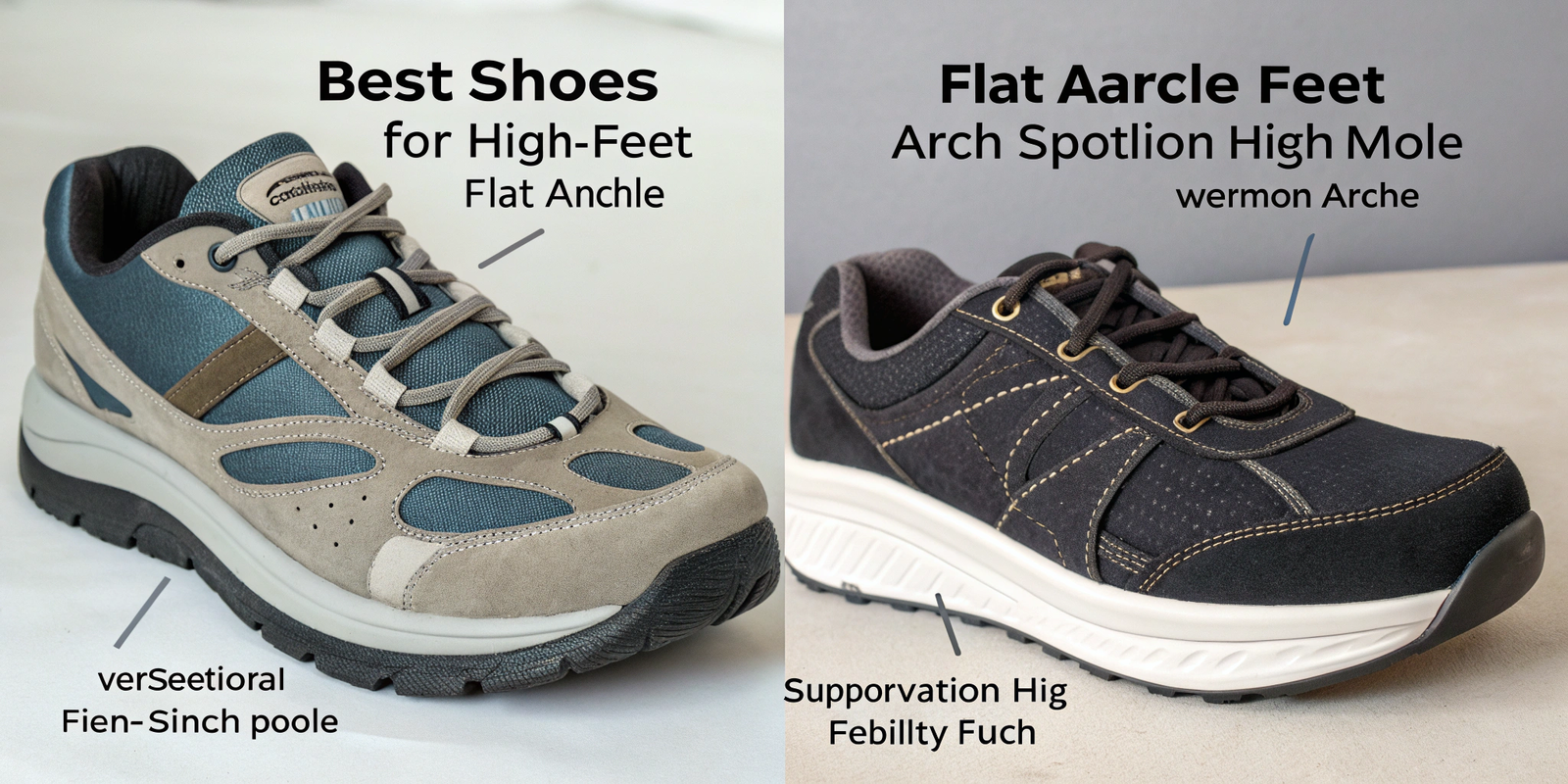
The best shoes for people with flat feet or high arches offer specific support tailored to their unique biomechanics. For flat feet, look for shoes with excellent arch support, motion control features, and a firm midsole to prevent overpronation. For high arches, prioritize shoes with superior cushioning, flexibility, and a well-defined arch to absorb shock effectively and provide comfort. Understanding your foot type is the first step in finding footwear that ensures stability, reduces pain, and promotes overall foot health.
 At Lucas, we believe everyone deserves comfortable, supportive shoes, regardless of their foot type. I've spent over two decades in shoe development, and I know that understanding foot anatomy is crucial to designing and selecting footwear that truly enhances well-being.
Best Shoes for Flat Feet
Do you experience arch pain, ankle pronation, or general discomfort after standing or walking for extended periods, believing it's just "how your feet are"? You might have flat feet, and wearing the wrong shoes could be making it worse.
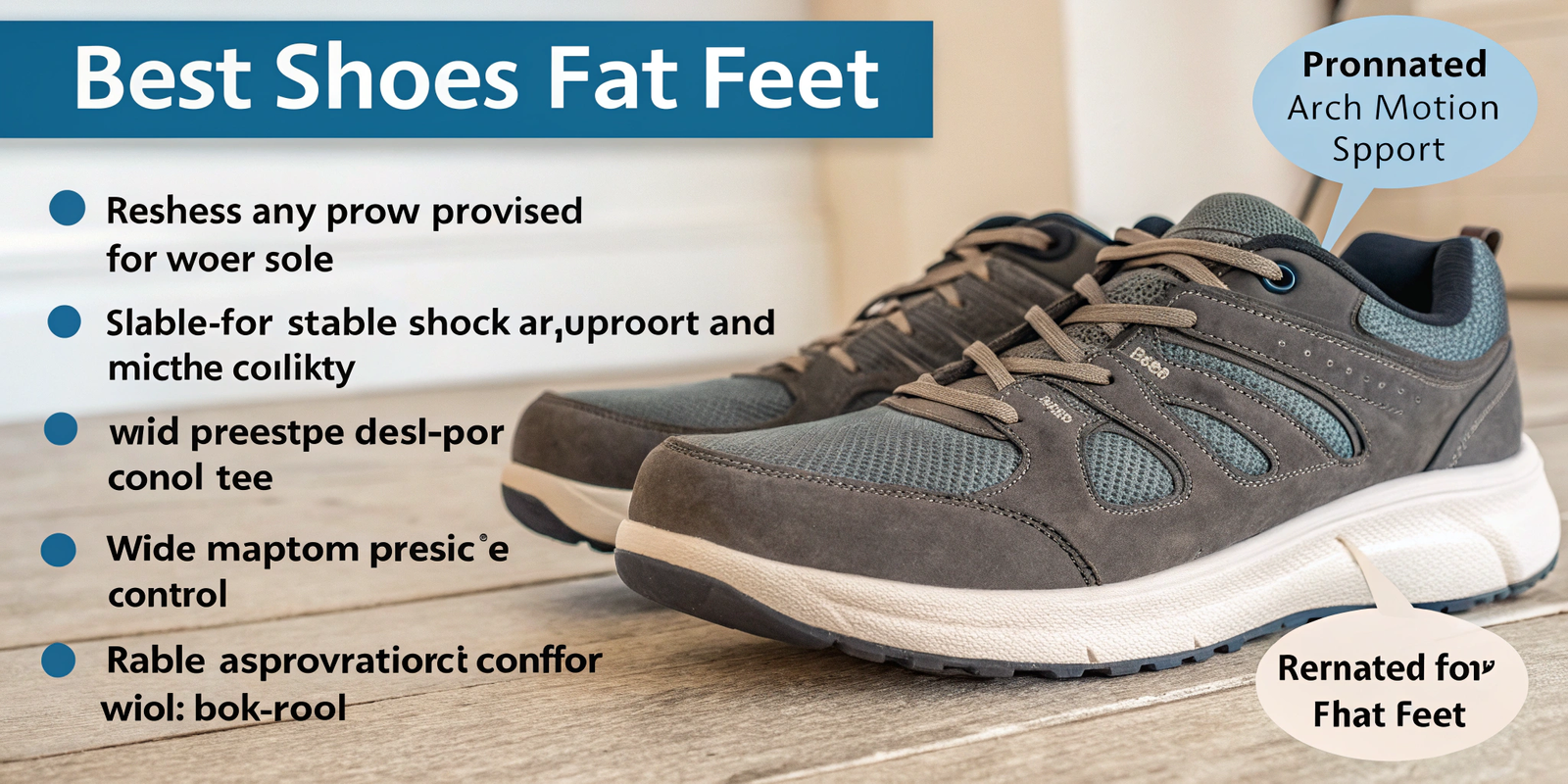
The best shoes for flat feet, also known as pronated feet, provide robust arch support, motion control, and a firm, stable midsole. These features help to correctly distribute pressure across the foot, prevent the arch from collapsing inwards (overpronation), and maintain proper alignment of the ankle and lower leg. Look for shoes with a structured but adaptable upper, good shock absorption, and a wide toe box to accommodate the foot's natural spread while offering necessary stability and comfort.
 In my years at Lucas, seeing countless foot types, I've observed that flat feet are incredibly common. Many people don’t realize how much the right shoe can alleviate their daily discomfort. I always tell our design team that for flat feet, stability and support are non-negotiable.
Understanding Flat Feet and Why Shoe Choice Matters
Flat feet (pes planus) occur when the arches on the inside of your foot are flattened, allowing the entire sole of your foot to touch the ground when you stand. This can lead to overpronation, where your foot rolls inward excessively as you walk or run.
- 1. What Happens with Flat Feet?
- Overpronation: This is the primary issue. When the arch collapses, the foot rolls inward. This motion can cause a chain reaction up the leg, affecting the ankles, knees, hips, and even the lower back.
- Lack of Shock Absorption: The arch naturally acts as a shock absorber. Without a proper arch, the foot's ability to absorb impact is compromised, leading to increased stress on joints.
- Uneven Weight Distribution: Weight is not evenly distributed across the foot, leading to pressure points and potential pain in the arch, heel, or ball of the foot.
- Common Symptoms: Arch pain, heel pain (plantar fasciitis), shin splints, bunions, and general foot fatigue are all prevalent issues.
- 2. Why Specific Shoes are Essential:
- Correct Alignment: The right shoes help to support the arch, preventing overpronation and promoting a more neutral foot alignment. This reduces stress on the entire lower kinetic chain.
- Enhanced Stability: Shoes designed for flat feet provide a stable base, reducing excessive movement and improving balance, which is crucial for preventing injuries.
- Improved Shock Absorption: While the foot’s natural arch is compromised, supportive shoes can compensate by providing crucial cushioning and shock dispersion.
- My Insight: I’ve met individuals who thought their chronic knee pain was irreversible, only to find significant relief by simply switching to shoes that properly supported their flat feet. It's a game-changer.
Key Features to Look For in Shoes for Flat Feet
When selecting shoes for flat feet, your focus should be on stability, support, and motion control.
- 1. Arch Support (Firm and Noticeable):
- What to look for: The most critical feature. The arch support should be firm, not soft or mushy. When you press on it, it shouldn't flatten easily. It should feel like it cradles your arch, providing a gentle lift.
- Why it helps: This directly supports the collapsed arch, preventing it from flattening further during weight-bearing activities. It helps to shift your foot into a more neutral position.
- 2. Motion Control / Stability Features (Prevent Overpronation):
- What to look for: Many shoes designed for flat feet will often be labeled as "motion control" or "stability" shoes. These typically have a "medial post" – a firmer density foam on the inner side of the shoe's midsole. Some shoes may also have a wider base or a stiffer heel counter.
- Why it helps: The firmer material on the inside of the sole prevents the foot from rolling too far inward (overpronation), guiding it through a more stable and efficient gait. A stiff heel counter locks the heel in place, further enhancing stability.
- 3. Firm Midsole (Structure over Softness):
- What to look for: The midsole (the layer between the outsole and the insole) should be firm and resistant to twisting. Try twisting the shoe – if it twists easily in the middle, it's likely too flexible.
- Why it helps: A firm midsole provides the structural integrity needed to support the foot and prevent it from collapsing. While cushioning is important, for flat feet, stability takes precedence over excessive softness, which can allow the foot to pronate further.
- 4. Adequate Cushioning (Balanced with Support):
- What to look for: While stability is key, don't completely neglect cushioning. Look for shoes that offer a balance – enough cushioning to absorb impact and provide comfort, but not so much that it compromises the shoe's stability.
- Why it helps: Reduces impact forces on joints and provides overall comfort, especially during prolonged standing or walking.
- 5. Wider Toe Box (Natural Foot Spread):
- What to look for: Ensure there is ample room for your toes to spread naturally. Flat feet can sometimes lead to issues like bunions due to altered foot mechanics.
- Why it helps: Prevents pinching and discomfort, allowing the toes to function correctly for balance and propulsion.
Recommended Shoe Brands and Types for Flat Feet
When I'm advising customers at Lucas, I often point them towards brands and styles known for their motion control and support.
- Running Shoes:
- Brands: Brooks (e.g., Adrenaline GTS, Beast/Ariel), Asics (e.g., Kayano, GT-2000), Saucony (e.g., Guide, Omni), New Balance (e.g., 860, 990 series).
- Why: These brands have extensively researched foot biomechanics and offer specific "stability" or "motion control" lines.
- Walking Shoes:
- Brands: Similar to running shoes (e.g., Brooks Addiction Walker, New Balance 847/928), often with more emphasis on durable outsoles and everyday wear.
- Why: Designed for daily comfort and support during extended periods of walking.
- Work/Casual Shoes (If Applicable):
- Look for brands that incorporate removable insoles, allowing you to insert custom orthotics if needed. Brands like Dansko (clogs) or some dress shoe brands offer good support, but always check for a firm sole and adequate arch.
- My Advice: Sometimes, for dressier shoes, a really good over-the-counter or custom orthotic placed in a neutral-support shoe is the best solution.
Remember, trying on shoes is crucial. Walk around in them, ensure they feel supportive without being painful, and check that your foot doesn't roll inward excessively. The right pair will make a noticeable difference in your comfort and overall well-being.
| Shoe Feature | Description for Flat Feet | Why it Helps | How to Identify in-Store |
|---|---|---|---|
| Arch Support | Firm, noticeable contour that cradles the arch, not soft. | Prevents arch collapse (overpronation); promotes neutral foot alignment. | Press on arch, it should feel firm; try on and feel cradle. |
| Motion Control / Stability | Firmer material (medial post) on the inner side of the sole; stiff heel counter. | Limits excessive inward rolling of the foot (overpronation); stabilizes ankle. | Look for "stability" or "motion control" labels; check heel counter stiffness. |
| Firm Midsole | Resistant to twisting when you try to flex the shoe in the middle. | Provides structural integrity to support the foot; prevents collapse. | Try twisting the shoe; it should resist bowing easily. |
| Balanced Cushioning | Enough cushioning for comfort, but not so plush it sacrifices stability. | Absorbs impact without allowing excessive pronation. | Cushioning should feel supportive, not overly soft or squishy. |
| Wider Toe Box | Ample space for toes to spread naturally without pinching. | Prevents bunions and other toe deformities; allows natural toe function. | Wiggle your toes freely; no pressure points on sides or top. |